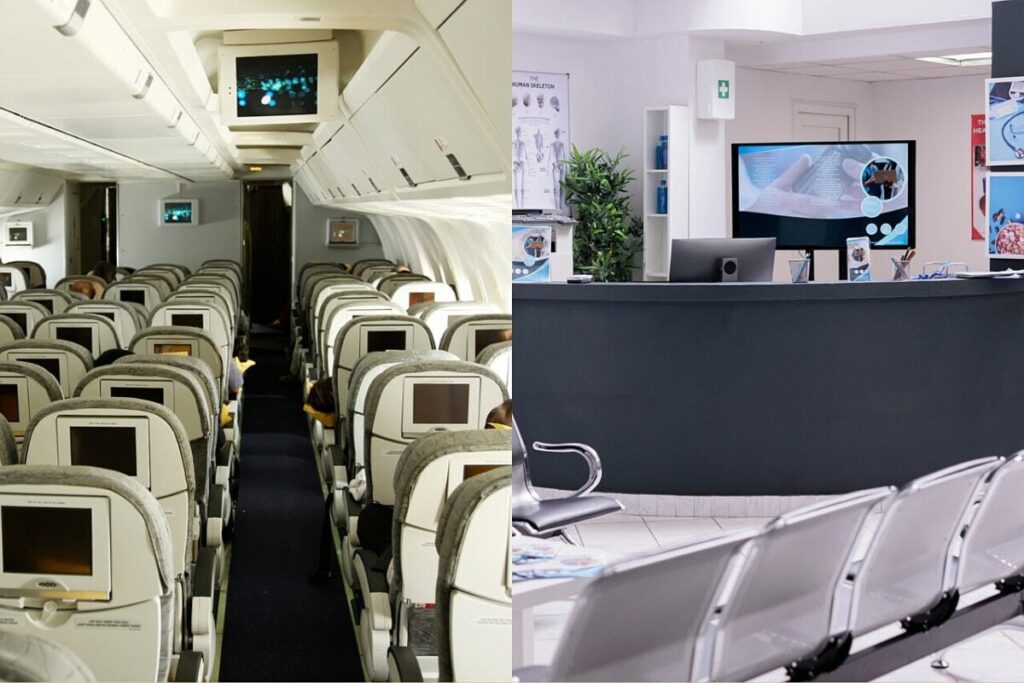
Germaphobes, Rejoice! Airplane and Hospital Air Is Actually Pretty Clean, Study Claims
In a fascinating study aimed at understanding the microbial landscape of indoor environments, researchers employed face masks and airplane air filters to analyze the airborne microbes present in these settings. The research, conducted by a team from the University of California, Davis, involved collecting samples from various locations, including commercial airplanes, to identify the types of bacteria and fungi that circulate in confined spaces. This innovative approach not only sheds light on the microbial diversity in the air we breathe but also raises important questions about health and safety in public transportation and other enclosed environments.
The study revealed that airplanes, often considered sterile environments due to their stringent cleaning protocols, actually harbor a diverse array of microbes. By utilizing face masks as collection devices, researchers were able to capture particles from the air, which were then analyzed for microbial content. Interestingly, the findings indicated that while some microbes were expected, such as those associated with human skin and saliva, others were more surprising, including environmental bacteria typically found in soil and water. This suggests that the air filtration systems in airplanes, while effective, do not completely eliminate all airborne microbes, highlighting the importance of continued vigilance in maintaining clean air in public spaces.
Furthermore, the implications of this research extend beyond just air travel. Understanding the microbial communities present in indoor environments can inform public health strategies, particularly in light of the ongoing concerns surrounding airborne diseases, including COVID-19. The study underscores the need for improved air quality measures not only in airplanes but also in other crowded spaces such as schools, offices, and public transport systems. By identifying the specific microbes that are prevalent in these environments, researchers can better assess potential health risks and develop targeted interventions to enhance air quality and protect public health. This groundbreaking research opens the door for further exploration into the complex interactions between humans and the microbial world, emphasizing the critical role of air quality in our overall well-being.
Researchers used face masks and an airplane air filter to find out what microbes are floating around.