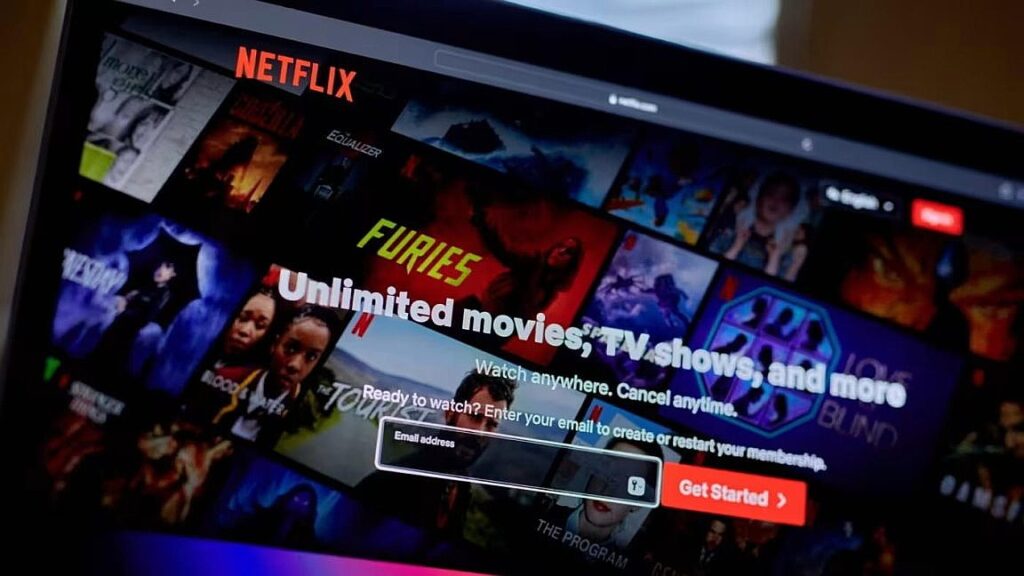
Netflix quietly drops support for casting to most TVs
Netflix has recently made a controversial update to its app that significantly affects how users can cast content, such as the popular series *Stranger Things*, from their mobile devices to their TVs. This change, which restricts Google Cast functionality, has sparked frustration among many users who rely on this feature for a seamless viewing experience. Previously, Google Cast allowed users to stream content directly to their TVs and streaming devices, an essential capability for those without dedicated remotes or built-in apps on their televisions. However, Netflix’s latest update has intentionally disabled casting for most users unless they subscribe to one of the platform’s pricier plans. Even then, casting is only available to older TVs and streaming dongles, leaving many users unable to enjoy their favorite shows in the way they once did.
The Google Cast feature has been a staple of streaming since the launch of the original Chromecast in 2013, allowing mobile app users to connect and control their viewing experience from their devices. However, as technology has evolved, so too has Netflix’s approach to streaming. The company has shifted its focus away from the remote-free Chromecast experience, as most modern TVs now come equipped with their own Netflix applications. This shift reflects Netflix’s broader strategy to combat password sharing and unauthorized viewing, which it has been increasingly vigilant about in recent years. The recent update mirrors a similar move made in 2019 when Netflix disabled Apple AirPlay functionality, further indicating the company’s intent to control how its content is accessed and shared.
In light of these developments, Netflix users are left grappling with the implications of this change. While the app’s evolution may align with modern streaming preferences, it also raises questions about accessibility and user experience. As viewers adapt to these new limitations, it remains to be seen how Netflix will balance its business interests with the expectations of its subscriber base. For now, fans of *Stranger Things* and other series may need to reconsider how they enjoy their favorite content, as casting from mobile devices becomes a more complicated endeavor.
https://www.youtube.com/watch?v=STiIXT3Acq8
Have you been trying to cast
Stranger Things
from your phone, only to find that your TV isn’t cooperating? It’s not the TV—Netflix is to blame for this one, and it’s intentional. The streaming app has recently updated its support for Google Cast to disable the feature in most situations. You’ll need to pay for one of the company’s more expensive plans, and even then, Netflix will only cast to older TVs and streaming dongles.
The Google Cast system began appearing in apps shortly after the original Chromecast launched in 2013. Since then, Netflix users have been able to start video streams on TVs and streaming boxes from the mobile app. That was vital for streaming targets without their own remote or on-screen interface, but times change.
Today, Google has
moved beyond the remote-free Chromecast experience
, and most TVs have their own standalone Netflix apps. Netflix itself is also allergic to anything that would allow people to share passwords or watch in a new place. Over the last couple of weeks, Netflix updated its app to remove most casting options, mirroring a change in 2019 to
kill Apple AirPlay
.
Read full article
Comments