A Stand Against Coal Could Push Oakland Toward Bankruptcy
Oakland, California, a city historically reliant on port activities for economic growth, has found itself at the center of a contentious debate regarding coal shipments through its terminal. The port has been a vital component of the local economy, facilitating trade and providing jobs, but the proposal to ship coal from its facilities has sparked significant opposition from environmentalists, community groups, and local officials. This conflict highlights the broader tensions between economic development and environmental stewardship, as the potential for increased coal shipments raises concerns about air quality, public health, and climate change.
In 2016, the Oakland City Council took a decisive stance against the coal shipment plan, voting to block the initiative amid growing public outcry. Advocates for the ban argued that the environmental impacts of coal, including its contribution to greenhouse gas emissions and local pollution, outweighed the economic benefits that the port activities might bring. This move was part of a larger trend in California, where cities are increasingly prioritizing sustainability and environmental justice over traditional economic models. The decision to block coal shipments also reflects a shift in public sentiment, as communities become more aware of the implications of fossil fuel reliance and advocate for cleaner energy alternatives.
Despite the city’s efforts to halt coal shipments, the issue remains contentious, with ongoing legal battles and discussions about the future of the port. Proponents of coal shipping argue that it could provide significant economic benefits, including job creation and increased trade opportunities. However, the city of Oakland is committed to pursuing a more sustainable future, emphasizing the importance of protecting the health of its residents and the environment. This situation serves as a microcosm of a larger national conversation about the balance between economic growth and environmental responsibility, challenging cities across the country to consider the long-term impacts of their industrial activities. As Oakland navigates this complex landscape, it sets a precedent for other urban areas grappling with similar dilemmas, ultimately shaping the future of port operations and their role in local economies.
https://www.youtube.com/watch?v=eR3ziSpn-Ow
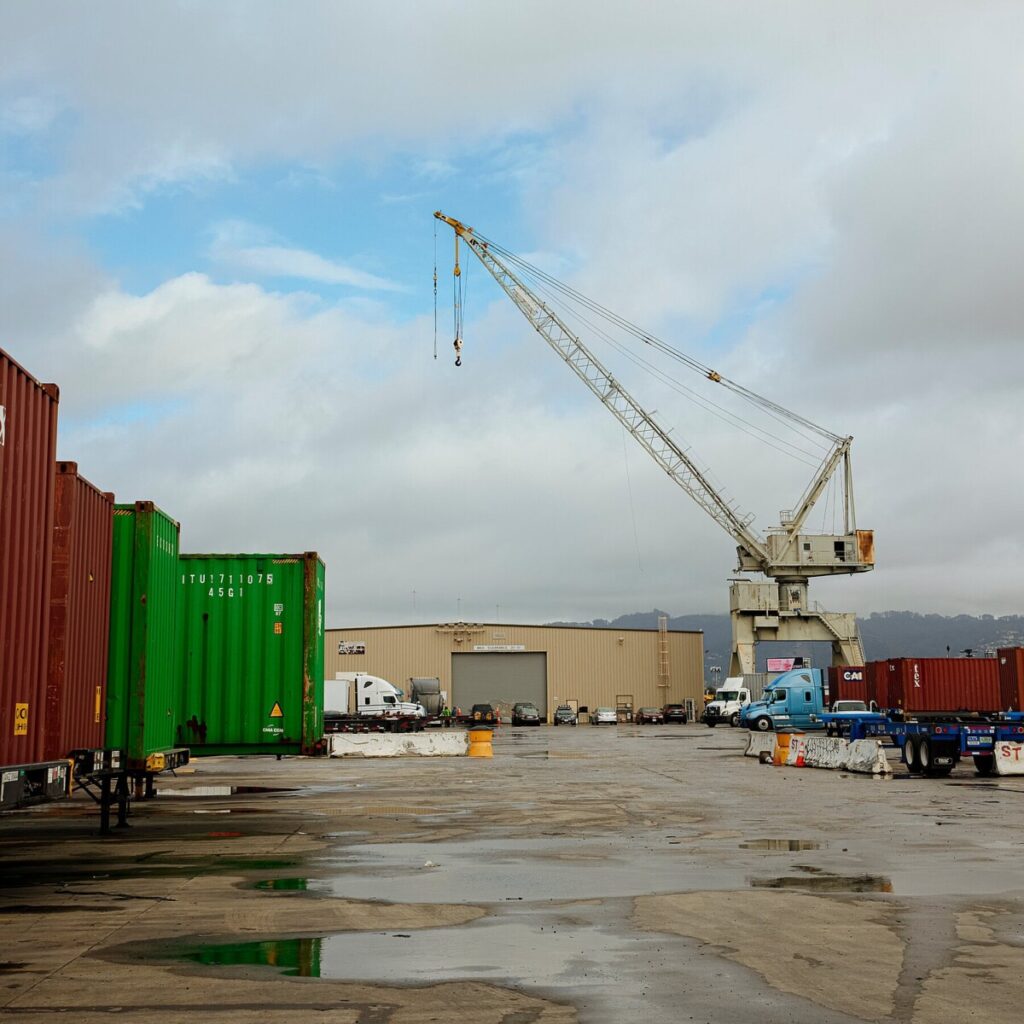
Port activities have long been a driver of Oakland’s economy, but the city ultimately tried to block a plan to ship coal from its terminal.


