Where things stand with the National Guard shooting in D.C.
In a significant policy shift, the Trump administration has announced the suspension of immigration processing for Afghan nationals seeking refuge in the United States. This decision has raised concerns among advocates and humanitarian organizations, as it comes in the wake of escalating violence and instability in Afghanistan, particularly following the withdrawal of U.S. troops. Many Afghans who aided American forces during the two-decade conflict are now at heightened risk of retaliation from the Taliban and other insurgent groups. The halt in processing not only affects those who have applied for Special Immigrant Visas (SIVs) but also impacts a broader group of individuals, including journalists, activists, and human rights defenders who face threats due to their affiliations with Western entities.
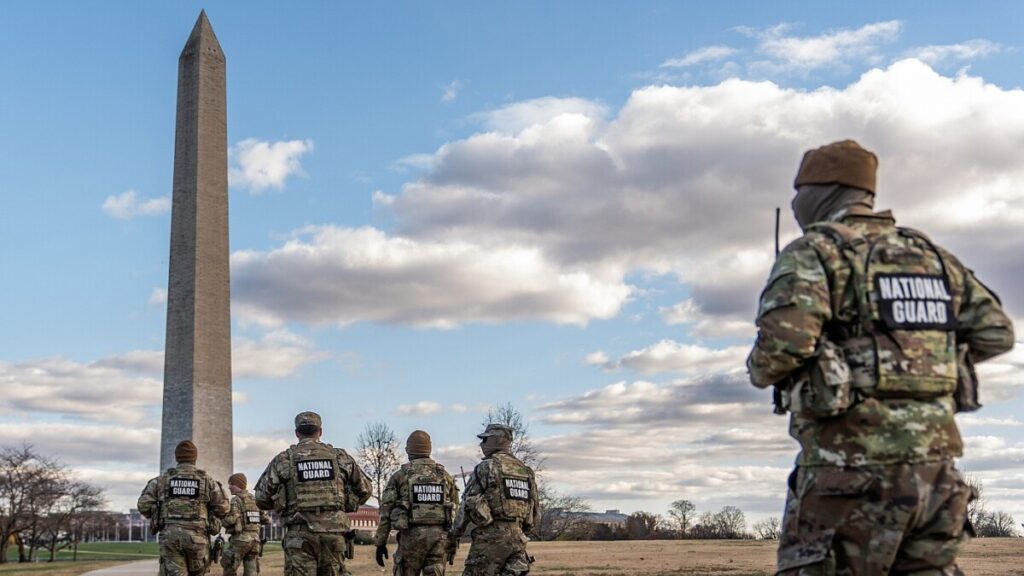
In tandem with these immigration policy changes, the District of Columbia has implemented heightened security measures in response to potential unrest. D.C. police have announced that they will be collaborating with National Guard members to patrol the city, particularly in areas that may see increased protests or demonstrations. This decision reflects ongoing concerns about public safety and the potential for civil disturbances, especially in light of the contentious political climate surrounding the Trump administration’s policies. The presence of the National Guard alongside local law enforcement is intended to ensure a swift response to any incidents that may arise, fostering a sense of security among residents and visitors alike.
The intersection of these two developments highlights the complexities of U.S. immigration policy and domestic security in a politically charged environment. As the administration grapples with criticism over its handling of Afghan immigration, advocates are urging for a reconsideration of these policies to protect vulnerable populations. Meanwhile, the enhanced security measures in Washington D.C. underscore the administration’s commitment to maintaining order amid growing tensions. This situation remains fluid, with many watching closely to see how these policies will evolve and what implications they will have for both Afghan nationals seeking safety and the broader American public.
The Trump administration has halted the processing of immigration requests from Afghans, and D.C. police will accompany National Guard members patrolling the city.
(Image credit: Julia Demaree Nikhinson)