The Oceans Are Going to Rise—but When?
The West Antarctic Ice Sheet (WAIS) is a critical component of the Earth’s climate system, with the potential to significantly impact global sea levels. Recent studies have underscored its vulnerability, revealing that the WAIS contains enough ice to elevate sea levels by up to 5 meters if it were to completely melt. This alarming possibility is fueled by the ice sheet’s unique geographical and environmental conditions, including its floating ice shelves that are increasingly susceptible to warming ocean waters. As climate change accelerates, scientists are particularly concerned about the stability of these ice shelves, which act as barriers to the flow of ice from the interior of the continent into the ocean.
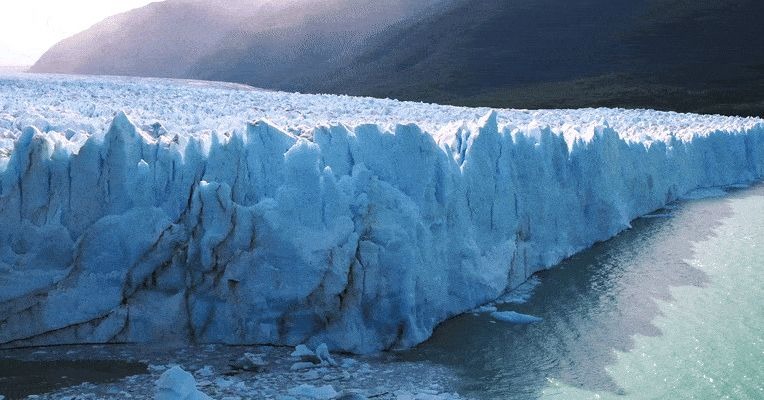
Despite the dire implications of WAIS melting, predicting when and how quickly such an event might occur remains a complex challenge. Current models provide a range of scenarios, with some suggesting that significant melting could occur within this century, while others project longer timelines. Factors contributing to this uncertainty include variations in ocean temperatures, the dynamics of ice flow, and the interplay between atmospheric conditions and ocean currents. For example, research has shown that warm water is eroding the ice shelves from below, leading to increased calving of icebergs and potentially accelerating the overall melting process. However, the rate of this melting is influenced by numerous variables, making it difficult to arrive at a consensus among scientists.
To illustrate the potential consequences of WAIS melting, it is important to consider the broader implications for coastal communities worldwide. A rise of 5 meters in sea levels could inundate major cities, displacing millions of people and disrupting economies. Regions such as New York City, Miami, and parts of Southeast Asia are particularly at risk, facing the threat of chronic flooding and loss of infrastructure. As researchers continue to study the WAIS, the urgency to address climate change and mitigate its effects becomes increasingly clear. Understanding the dynamics of the West Antarctic Ice Sheet is not only crucial for predicting future sea level rise but also for informing policy decisions aimed at protecting vulnerable populations and ecosystems around the globe.
The uniquely vulnerable West Antarctic Ice Sheet holds enough water to raise global sea levels by 5 meters. But when that will happen—and how fast—is anything but settled.


