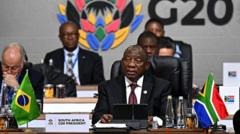
South Africa hits back after Trump says US won’t invite it for G20 next year
In a significant diplomatic move, the United States opted to boycott the G20 summit held in Johannesburg, South Africa, primarily due to allegations regarding the persecution of the white minority in the country. This decision has sparked a considerable amount of discussion and controversy, particularly as the claims of widespread persecution have been widely discredited by various human rights organizations and independent observers. The U.S. government’s stance reflects ongoing tensions surrounding race relations in South Africa, where the legacy of apartheid continues to influence socio-economic dynamics.
The backdrop to this boycott includes a complex historical context where the white minority, which once held significant power during the apartheid era, has seen its influence wane in a post-apartheid society. Reports highlighting the challenges faced by white farmers, including violent attacks and land expropriation, have been used by some U.S. lawmakers and media outlets to argue that there is systemic persecution occurring. However, these claims have been met with skepticism from many experts who point out that the issues affecting farmers are part of broader socio-economic challenges rather than a targeted campaign against the white population. Notably, organizations like the South African Human Sciences Research Council have stressed that the narrative of widespread persecution is often exaggerated and politically motivated.
The U.S. boycott not only signals a stance on human rights but also reflects broader geopolitical dynamics, where race and historical injustices play a crucial role in international relations. The G20 summit, which serves as a platform for global economic cooperation, faced criticism for being overshadowed by these contentious issues. Critics of the boycott argue it undermines the opportunity for dialogue and collaboration on pressing global challenges such as climate change and economic recovery. As nations navigate the complexities of historical injustices and contemporary politics, the decision by the U.S. to withdraw from such an important forum raises questions about the efficacy of diplomatic engagement in addressing these multifaceted issues.
https://www.youtube.com/watch?v=8a5HCT_K0ow
The US boycotted the G20 summit in Johannesburg over widely discredited claims of persecution of the white minority.