Peng: US coal can bring end to Russia’s war in Ukraine
In a strategic pivot to address the ongoing war in Ukraine, President Trump is intensifying efforts to target Russian energy, particularly focusing on the coal sector. Despite previous sanctions aimed at crippling Russia’s oil and gas industries, these measures have proven insufficient in curtailing President Vladimir Putin’s military ambitions. Notably, Russian coal exports have emerged as a significant source of revenue, contributing approximately $31 billion annually to the Kremlin’s war budget. This revenue primarily stems from sales to five key nations—China, India, South Korea, Taiwan, and Turkey—many of which are either allies or major trading partners of the United States. As a result, the administration is considering a targeted campaign to disrupt this lucrative market, which has become more valuable than Russian oil and natural gas exports.
The rationale behind focusing on Russian coal is compelling. The country’s coal industry, employing over 140,000 individuals, is already under strain due to the loss of European buyers, and U.S. sanctions, coupled with rising operational costs and declining energy prices, are beginning to reveal cracks in Russia’s wartime economy. By leveraging U.S. trade policies, the Trump administration could negotiate lower tariffs on American coal in exchange for reducing Russian coal imports from these key nations. This approach not only aims to diminish Russia’s financial resources for the war but also supports the U.S. coal industry, which has the capacity to fill the void left by Russian exports. Such a strategy could potentially lead to significant political repercussions for Putin, as it would directly impact a vital sector of the Russian economy and could hasten an end to the conflict in Ukraine.
Moreover, this strategy aligns well with Trump’s broader political agenda, which emphasizes populism and support for American workers. By framing the initiative as pro-peace and pro-competitiveness, the administration could garner bipartisan support for a measure that benefits both the U.S. economy and international stability. The potential to shorten the war, even by a mere week, presents a compelling case for action. As the U.S. considers its next steps in this geopolitical landscape, targeting Russian coal exports could emerge as a critical tool in pushing for a resolution to the ongoing crisis, while simultaneously bolstering the domestic coal industry and reinforcing the administration’s commitment to American workers.
President Trump continues to zero in on Russian energy to bring Vladimir Putin to the negotiating table. The administration has targeted Russian oil and gas giants with new sanctions and has imposed tariffs on U.S. trading partners that buy Russian oil.
If Trump wants the war in Ukraine to end, he needs to target Russian coal.
So far, sanctions against Russian energy sales have not done enough to stop Putin from continuing the brutal war. However, a targeted campaign to eliminate the market for Russia’s massive coal exports could make a difference.
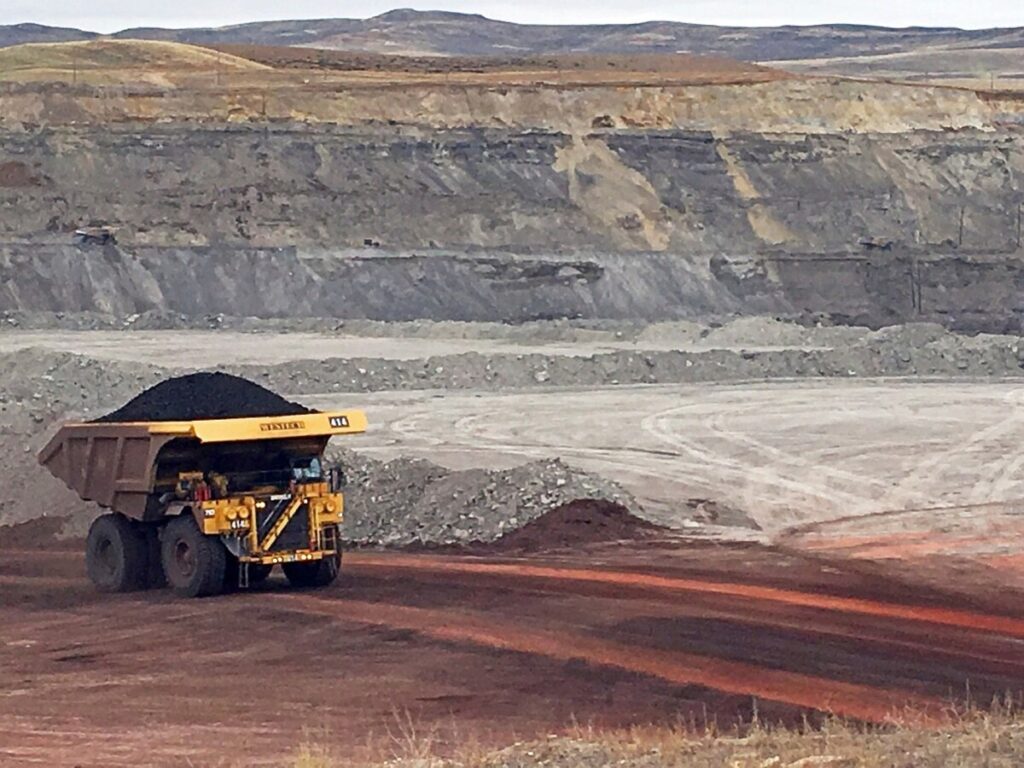
Russia’s coal industry is under intense pressure after losing European buyers, but it has been able to export coal to other parts of the world, mainly Asia.
Russian coal exports are contributing $31 billion annually to its war budget, primarily from sales to five countries that are either allies or trading partners of the United States — China, India, South Korea, Taiwan and Turkey. Remarkably, Russian coal exports are now worth more than its pipeline oil and natural gas exports.
While persuading China to reduce its import of Russian coal is a tall order, the four other largest buyers are either close allies or major trading partners looking to secure favorable trade deals with the United States.
The administration holds the cards. Lower U.S. tariffs could be negotiated in exchange for swapping Russian coal imports for greater U.S. coal imports. The U.S. coal industry, already a major exporter to all four countries, has the capacity to displace Russian exports.
The logic for zeroing in on coal sales is simple: Not only is it a significant source of foreign currency for the Kremlin but Russia’s coal industry is on an economic precipice. Cracks are starting to show on Russia’s wartime economy, as sanctions, rising costs and weak energy prices are having profound economic repercussions.
Russia’s coal industry employs more than 140,000 people and remains critical in some regions, as a source of jobs and funding for local budgets.
A U.S. campaign to tighten the screws on the Russian coal industry would almost certainly produce serious political problems for Putin.
The war has gone on for far too long. If using U.S. trade leverage to cripple Russian coal exports could shorten the war by even a week, it’s a tool the United States should use. For Trump, it could deliver the peace he seeks and provide a boon to an industry he supports.
The idea of using tariffs to address problems like military aggression is an old one with broad political support. It is our unique political moment, combined with the populist appeal of dividends for American miners, that could turn the concept into reality. This strategy is pro-peace, pro-competitiveness and pro-working class, which aligns perfectly with Trump’s agenda.
Syd S. Peng is the Charles E. Lawall Chair of Mining Engineering emeritus in the Department of Mining Engineering at West Virginia University/InsideSources


