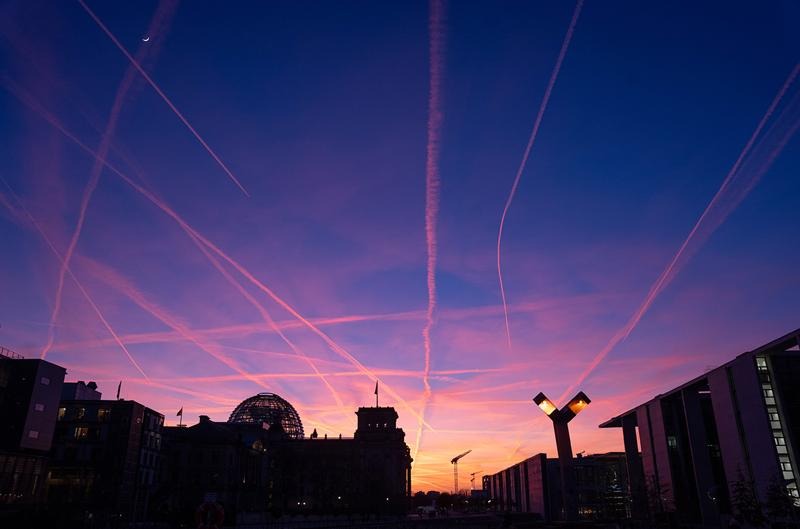
Airplane contrails may not be the climate villain once feared
Recent studies have sparked a significant debate about the effectiveness of altering flight paths to reduce the formation of heat-trapping clouds, a phenomenon that contributes to global warming. Researchers have been investigating the impact of contrails—ice crystal clouds formed by aircraft at high altitudes—which can exacerbate climate change by trapping heat in the Earth’s atmosphere. The traditional view has been that adjusting flight paths to avoid these contrails could mitigate their warming effects. However, new findings suggest that the benefits of such adjustments may not be as substantial as previously thought.
One key study published in a leading climate journal indicates that while changing flight routes could theoretically reduce contrail formation, the actual impact on global temperatures may be minimal. The research highlights that contrails are only one aspect of a much larger climate system influenced by a myriad of factors, including greenhouse gas emissions from various sources. For instance, the study points out that while contrails can have a warming effect during the night by trapping heat, their impact during the day may be counteracted by their ability to reflect sunlight. This dual effect complicates the assessment of flight path adjustments as a viable solution for climate change mitigation.
Moreover, the studies emphasize the need for a more comprehensive approach to addressing aviation’s environmental impact. While adjusting flight paths could offer some localized benefits, researchers argue that focusing on reducing overall carbon emissions from the aviation sector may yield more significant results. Examples from the aviation industry show that advancements in fuel efficiency and the development of sustainable aviation fuels are critical steps toward reducing the sector’s carbon footprint. As the conversation around climate change continues to evolve, these findings serve as a reminder that solutions must be multifaceted, prioritizing both immediate adjustments and long-term innovations to combat the pressing challenges of global warming.
https://www.youtube.com/watch?v=oDGqi1Z9tNw
Studies raise questions about the benefits of adjusting flight paths to minimize heat-trapping clouds


