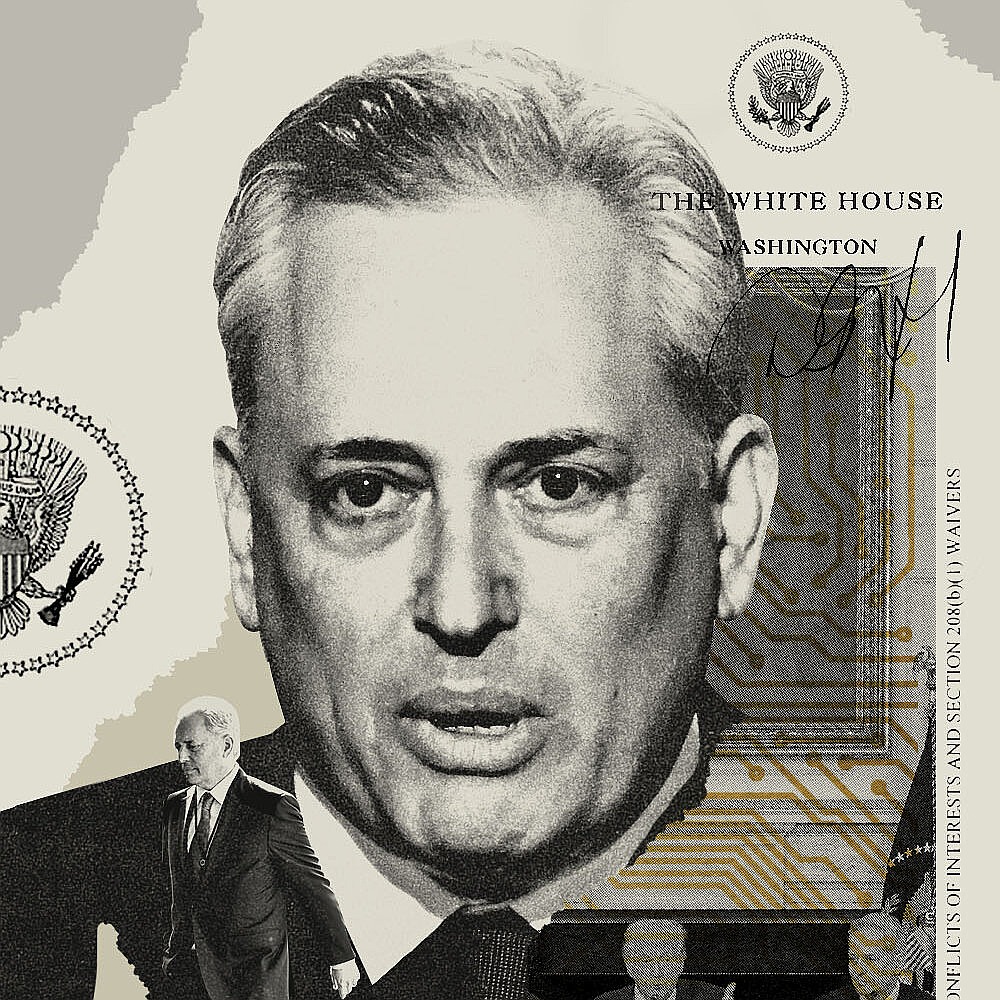
Silicon Valley’s Man in the White House Is Benefiting Himself and His Friends
David Sacks, who served as the A.I. and crypto czar during the Trump administration, has emerged as a pivotal figure in shaping technology policy that aligns closely with the interests of his Silicon Valley network and personal investments. Known for his role as a venture capitalist and co-founder of several tech companies, including Yammer, Sacks has leveraged his position within the government to advocate for policies that not only bolster the tech industry but also directly benefit his business ventures. This duality has raised questions about the ethical implications of his influence in policymaking, as many of the initiatives he championed appear to favor his financial interests.
During his tenure, Sacks was instrumental in pushing for regulatory frameworks that promote innovation in artificial intelligence and cryptocurrency, areas where he has significant financial stakes. For example, his advocacy for less stringent regulations on cryptocurrency exchanges and blockchain technology has been viewed as a way to foster a more favorable environment for startups and established firms alike, many of which are connected to his investment portfolio. Critics argue that this creates a conflict of interest, as the policies crafted under his guidance could lead to substantial financial gains for Sacks and his associates. Moreover, his close ties with influential figures in Silicon Valley have allowed him to cultivate a network that not only supports his ventures but also shapes the broader tech landscape in ways that echo his personal priorities.
The implications of Sacks’ influence extend beyond individual companies; they reflect a broader trend of tech leaders intertwining their business interests with public policy. As the tech industry continues to evolve, the intersection of politics and technology raises essential questions about accountability and transparency in governance. With Sacks at the helm of A.I. and crypto policy, the potential for regulatory capture—where the interests of a few dominate the regulatory landscape—becomes increasingly pronounced. As discussions around the ethical use of A.I. and the future of cryptocurrency intensify, Sacks’ legacy will likely be scrutinized, highlighting the need for a more balanced approach to technology policy that prioritizes public interest over personal gain.
https://www.youtube.com/watch?v=4bguV4mdmN0
David Sacks, the Trump administration’s A.I. and crypto czar, has helped formulate policies that aid his Silicon Valley friends and many of his own tech investments.