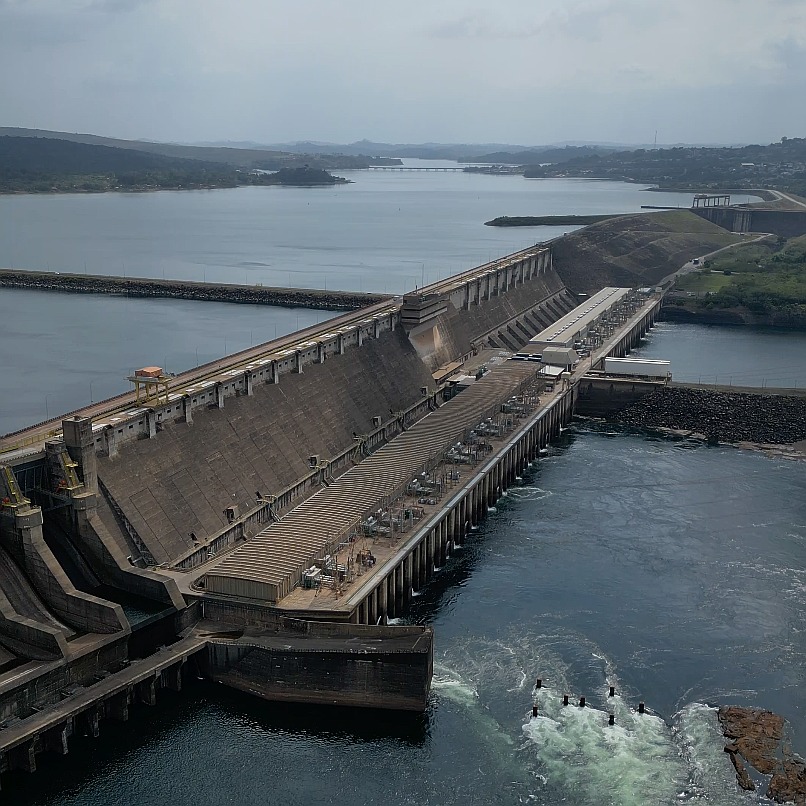
Hydropower Is Getting Less Reliable as the World Needs More Energy
As global demand for electricity surges, the reliance on hydroelectric power—one of the oldest and most established sources of clean energy—is facing unprecedented challenges. Hydro plants, which harness the energy of flowing water to generate electricity, are increasingly vulnerable to the impacts of climate change, particularly extreme weather events such as droughts and floods. These phenomena not only disrupt water levels critical for hydroelectric generation but also pose significant operational challenges, threatening the stability of energy supplies in regions heavily dependent on this renewable resource.
For instance, in the western United States, prolonged drought conditions have drastically reduced water flow in rivers, leading to diminished capacity at hydroelectric facilities. In 2021, California’s hydroelectric generation fell to its lowest levels in over a decade due to severe drought, forcing the state to rely more heavily on fossil fuels and other energy sources to meet its electricity needs. Conversely, in areas where heavy rainfall and flooding occur, hydro plants can face operational shutdowns and infrastructure damage, further complicating the energy landscape. This duality of droughts and floods illustrates the fragility of hydroelectric power in the face of climate variability, prompting energy planners to reconsider the role of hydro in future energy strategies.
The situation underscores a broader dilemma in the energy sector: as the world accelerates its transition to renewable energy sources, the reliability of these sources is increasingly called into question. While hydroelectric power has long been lauded for its low carbon emissions, the growing unpredictability of water availability due to climate change necessitates a diversified energy approach. Policymakers and energy providers are now exploring complementary solutions, such as integrating battery storage and enhancing grid resilience, to ensure a stable and sustainable energy future. As the demand for power continues to rise, the need for innovative strategies to adapt to the changing climate becomes more critical than ever.
Demand for power is growing fast, but hydro plants, the oldest source of clean energy, are struggling because of droughts, floods and other extreme weather linked to climate change.


