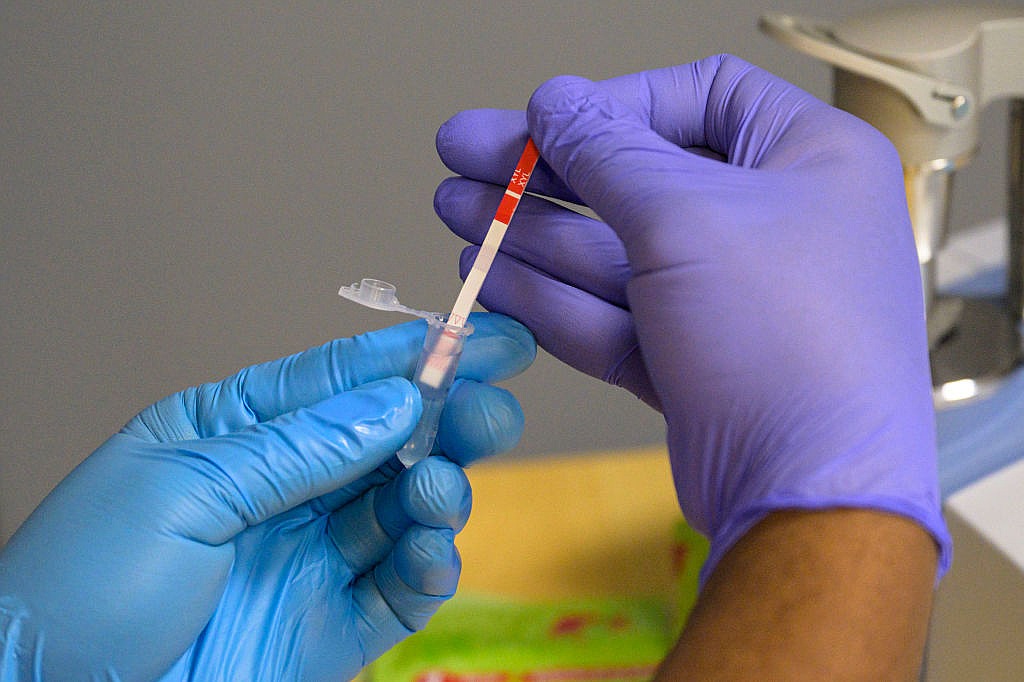
Editorial: Panel’s deliberate pace doesn’t match xylazine’s OD threat
The Massachusetts Special Commission on Xylazine has recently convened to address the alarming rise of the animal tranquilizer xylazine in the state’s illicit drug supply. Preliminary meetings were held on Monday and Tuesday, focusing on the significant public health and safety risks posed by this drug, often mixed with fentanyl. Xylazine, also known as “tranq” or “tranq dope,” is a non-opioid sedative primarily used in veterinary medicine, but its increasing presence in illegal drugs has raised serious concerns among health officials and law enforcement. The White House’s Office of National Drug Control Policy labeled this combination an emerging threat in 2023, highlighting the urgent need for comprehensive strategies to mitigate its impact.
The statistics surrounding xylazine’s prevalence in Massachusetts are striking. In 2020, only 9% of drug samples tested contained xylazine, but this figure surged to 35% by 2024. Recent data indicates that in 2023, xylazine was involved in nearly 11% of opioid-related overdose deaths in the state, doubling to 22% in 2024. These numbers reflect a broader national trend, where drug overdose fatalities remain at historically high levels, with 80,391 deaths reported in 2024 alone. The Massachusetts commission, originally tasked with submitting recommendations by June 30, 2025, is now considering an extension to March 2026 to ensure thorough research and public input. As the illicit drug landscape evolves, the commission’s work becomes increasingly critical in addressing the complexities of drug mixtures that include xylazine, which is resistant to standard overdose-reversal medications like Narcan.
The commission’s efforts are underscored by the urgent need for effective outreach and treatment strategies in combating the rising tide of xylazine-related issues. As dealers continue to mix various substances, including counterfeit pills laced with cocaine, fentanyl, and xylazine, the potential for overdose and severe health complications grows. The ongoing hearings and the establishment of a working group focused on outreach and treatment signal a proactive approach to a rapidly changing drug environment. With overdose deaths continuing to be the leading cause of death among Americans aged 18 to 44, the commission’s recommendations could play a pivotal role in shaping Massachusetts’ response to this crisis and ultimately saving lives.
The Massachusetts Special Commission on Xylazine held preliminary meetings Monday and Tuesday in efforts to study the increasing presence of the dangerous animal sedative in the state’s illicit drug supply.
The select panel’s mandate involves investigating the proliferation of xylazine and providing recommendations to “address the public health and safety concerns posed by the proliferation of xylazine as an additive to illicit drugs.”
The use of xylazine in the illicit drug supply — often combined with fentanyl — presents serious risks, including increased overdose potential and severe skin infections/ulcers.
Xylazine, also known as “tranq” or “tranq dope,” is a non-opioid sedative or tranquilizer, according to the CDC. The mixing of the drug and fentanyl was declared an emerging threat by the White House’s Office of National Drug Control Policy in 2023.
The tranquilizer, used in veterinary medicine but not approved for use in humans, has been increasingly found in illegal drugs in the U.S. in recent years, alarmingly linked to overdose deaths, the CDC states. The drug, which can “slow down the brain and breathing, make the heart beat slower, and lower blood pressure in people, is especially dangerous when combined with opioids like fentanyl.”
In 2020, xylazine was found in 9% of drug samples in Massachusetts tested by the non-profit Street Check Community Drug Checking program.
By 2024, the number rose to 35% of the drug samples tested in Massachusetts. So far in 2025, the nonprofit has found the drug in 21% of samples.
In 2023, the Massachusetts Department of Public Health found xylazine present in just under 11% of opioid-related overdose deaths of state residents. In 2024, the number doubled to 22%, the data show.
The Massachusetts law originally called for the Special Commission on Xylazine to submit a report by June 30, but a proposal seeks to delay the date to March 2026.
The panel, which convened for its initial public meeting in June, is conducting additional hearings to gather testimony. A working group focusing on Outreach and Treatment is also active.
The illicit drug supply changes constantly, with new and addictive substances being mixed into street drugs, with xylazine a prime example.
Over the past two years, for instance, New England has seen a troubling trend in which dealers sell drugs mixed with a variety of substances. A counterfeit Xanax pill can be laced with cocaine, fentanyl, and xylazine, which has proven to be resistant to overdose-reversal medications.
And despite the recent progress, drug fatalities remain historically high. Nationwide, 80,391 people died of drug overdoses in 2024, and overdoses remain the leading cause of death for Americans between the ages of 18 to 44, according to the CDC.
In Massachusetts, the fatalities last year were still more than double what they were in 2012.
We’d urge the panel to quicken its pace, considering xylazine’s rising usage and immunity to overdose antidotes.
The precipitous decline in overdose deaths in 2024 occurred partly due to the increased availability of the OD preemptive presence of Narcan, when fentanyl, not xylazine, was the primary contributing factor.
Now, those drugs may share equal culpability.
Sentinel and Enterprise
Editorial cartoon by Al Goodwyn (Creators Syndicate)


