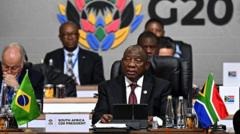
South Africa hits back after Trump says US won’t invite it for G20 next year
In a significant diplomatic move, the United States opted to boycott the recent G20 summit held in Johannesburg, South Africa, citing concerns over the treatment of the white minority in the country. This decision is rooted in a controversial narrative that has been widely discredited by experts and human rights organizations, who argue that such claims often oversimplify complex social dynamics and overlook the broader context of systemic inequality and historical injustices faced by the majority black population. The U.S. government, under pressure from certain political factions, has taken a stance that many observers view as a misrepresentation of the realities on the ground, potentially undermining the country’s credibility on global human rights issues.
The boycott reflects a growing trend where geopolitical tensions influence participation in international forums. The G20 summit, which brings together the world’s major economies to discuss pressing global issues, was expected to address topics such as climate change, economic recovery post-pandemic, and food security. By not attending, the U.S. risks isolating itself from critical discussions that shape global governance and cooperation. This move also raises questions about the motivations behind the U.S. stance, as it aligns with a narrative that has gained traction among certain political groups in America, despite being countered by a wealth of evidence indicating that the situation for South Africa’s white minority is not as dire as portrayed.
Critics of the U.S. boycott argue that it not only distorts the realities of South Africa’s socio-political landscape but also sends a problematic message regarding the U.S. commitment to multilateralism and cooperative diplomacy. South Africa has made significant strides in addressing its past injustices and fostering a more inclusive society since the end of apartheid. By focusing on discredited claims, the U.S. risks alienating itself from a country that plays a pivotal role in African and global affairs. As the international community grapples with numerous challenges, the importance of constructive dialogue and cooperation cannot be overstated, making the U.S. absence from the G20 summit a notable event in the context of its foreign policy and international relations.
https://www.youtube.com/watch?v=8a5HCT_K0ow
The US boycotted the G20 summit in Johannesburg over widely discredited claims of persecution of the white minority.