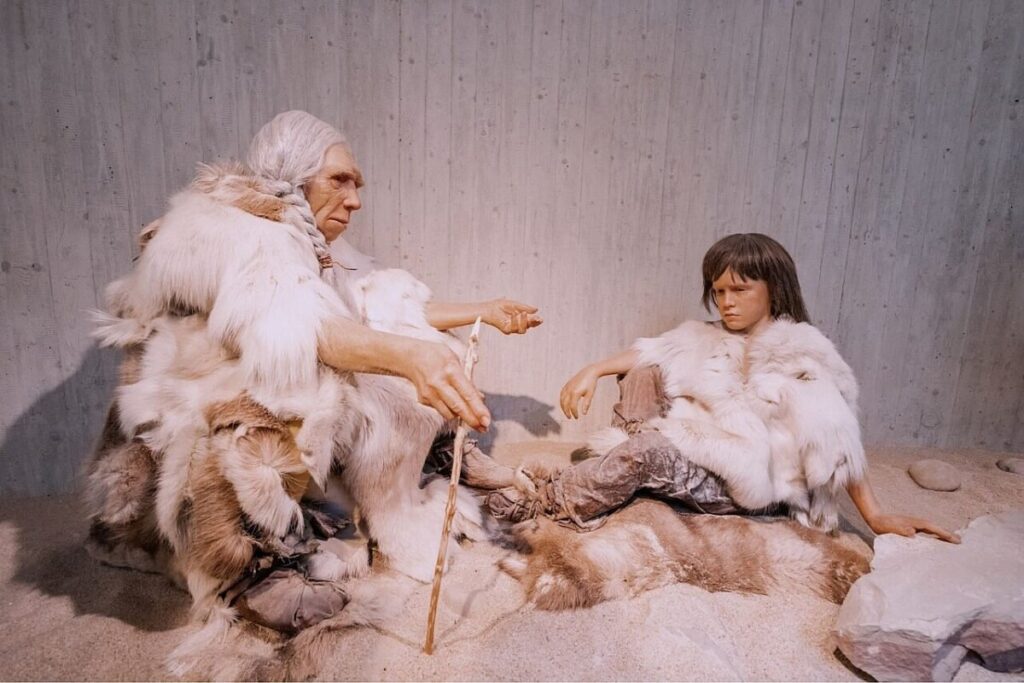
New Evidence Suggests Neanderthals Cannibalized Outsider Women and Children
In a remarkable archaeological discovery, human remains found within a cave in Belgium have unveiled evidence of selective cannibalism among Neanderthals, offering a chilling glimpse into the survival strategies of our ancient relatives. The remains, dating back approximately 40,000 years, were uncovered during excavations in the Goyet Caves, a site long known for its rich deposits of prehistoric artifacts and fossils. Researchers from the University of Liège, who conducted the study, have revealed that the bones show signs of butchery and processing, suggesting that these early hominids not only hunted and consumed one another but did so with particular intent, possibly targeting specific body parts for their nutritional value.
The findings shed light on the complexities of Neanderthal behavior and social structures. The evidence indicates that the cannibalism practiced by these hominids was not a result of desperation but rather a calculated choice, possibly influenced by environmental pressures or social dynamics within their groups. For instance, certain bones were meticulously cut, indicating a preference for certain muscle groups or organs, which may have been deemed more desirable or nutritious. This selective approach to cannibalism contrasts with the more indiscriminate scavenging behavior observed in other prehistoric species, suggesting a level of cognitive sophistication and cultural practice among Neanderthals.
Moreover, this discovery prompts a reevaluation of the narrative surrounding Neanderthals, who have often been portrayed as brutish and primitive. Instead, the evidence points to a more nuanced understanding of their survival tactics and social interactions. The implications of this research extend beyond the caves of Belgium, potentially reshaping our understanding of human evolution and the complexities of life in the Pleistocene epoch. As scientists continue to analyze these remains, they hope to uncover further insights into the dietary practices and social behaviors of Neanderthals, providing a clearer picture of how these ancient humans navigated the challenges of their environment.
Human remains found inside a Belgian cave tell a grisly story of selective cannibalism among our hominid cousins.