Mid-Atlantic mushroom foragers collect 160 species for food, medicine, art and science
Pennsylvania boasts a rich diversity of wild mushrooms, both edible and poisonous, making it a prime location for foragers. The interest in mushroom foraging has surged, particularly during the COVID-19 pandemic, as individuals sought outdoor activities to engage in while travel plans were suspended. One such forager, a doctoral student in ecology and anthropology at Penn State, found themselves drawn to this practice while taking an agroforestry class with Eric Burkhart. This initial curiosity blossomed into a comprehensive study on mushroom harvesting in the mid-Atlantic region, aimed at understanding the variety of wild mushrooms harvested and their uses.
In 2021, Burkhart and the student launched a research project that involved surveying over 800 mushroom harvesters from central Pennsylvania and the surrounding areas. Their findings revealed that foragers commonly collect around 160 species of wild mushrooms, with morels, chicken of the woods, and chanterelles being the most popular. The survey indicated that these mushrooms are primarily harvested for food and medicinal purposes, with many foragers also engaging in artistic pursuits such as photography and natural dye creation. Interestingly, while there is a commercial wild mushroom market in the region, most harvesters prefer to share their bounty with friends and family rather than selling it. The study highlighted the communal aspect of foraging, where knowledge and experiences are exchanged, often facilitated through social media platforms.
Additionally, the research explored the resources that novice foragers rely on to learn about mushroom identification. The internet emerged as a significant tool, with many new harvesters utilizing apps like iNaturalist to document their finds and receive community feedback on mushroom identification. This growing trend of citizen science not only enhances individual knowledge but also contributes to broader biodiversity documentation efforts. However, the potential dangers of foraging—such as the risk of consuming poisonous mushrooms—underscore the importance of thorough identification practices. The collaboration between community foragers and academic researchers presents an exciting opportunity for advancing the field of mycology, fostering a deeper understanding of fungal populations and their ecological impacts.
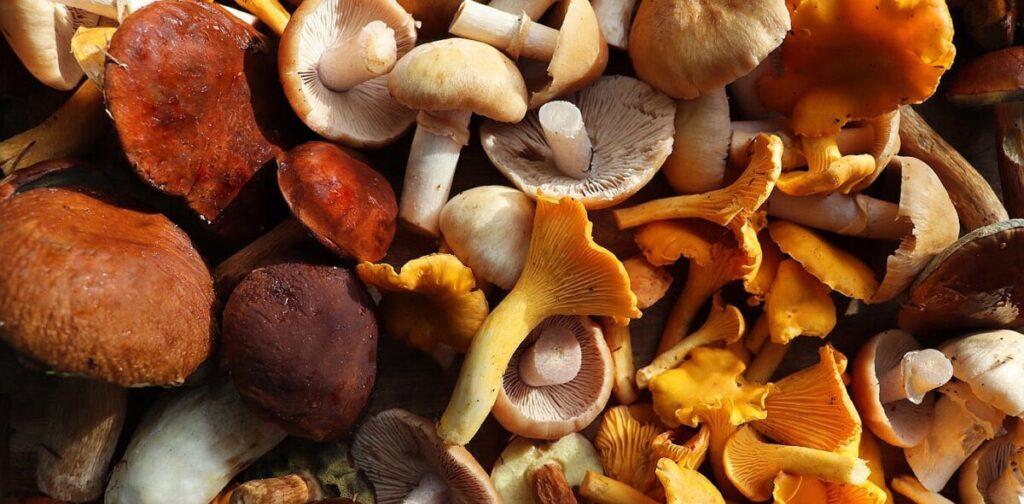
Pennsylvania is home to a diverse range of wild mushrooms, both edible and poisonous.
Vaivirga/iStock/Getty Images Plus
Like many mushroom harvesters, I got interested in foraging for fungi during the COVID-19 pandemic.
I had been preparing for a summer of field work studying foraged desert plants in a remote part of Australia when the pandemic hit, and my travel plans were abruptly frozen. It was March, right before morel mushrooms emerge in central Pennsylvania.
I wasn’t doing a lot other than going on long hikes and taking classes remotely at Penn State for my
doctoral degree in ecology and anthropology
. One of the classes was an agroforestry class with
Eric Burkhart
. We studied how agriculture and forests benefit people and the environment.
These two things eventually led to a
yearslong project on mushroom harvesting
in our region.
Why people forage
Foragers have been harvesting wild mushrooms in what is now Pennsylvania and the rest of the U.S. mid-Atlantic region
for generations
, but the extent and specifics of the practice in the region had not been formally studied.
In 2021, Burkhart and I decided that we wanted to better understand the variety of wild mushroom species that Pennsylvania harvesters collect and what they use them for.
We conducted a series of surveys in 2022 and 2023 that revealed a
wide variety of fungi are foraged in the region
– though morels, chicken of the woods and chanterelles are most common. We also learned that harvesters use the mushrooms primarily for food and medicinal purposes, and that foragers create communities that share knowledge. These community based projects often use social media tools as a way for mushroom harvesters to share pictures, notes and even the results of DNA sequences.
Our findings were published in the journal Economic Botany in October 2025.
160 species
Having spent a year building connections with local mushroom harvesters, starting in central Pennsylvania, including members of
mushroom clubs
and
mycological associations
, we recruited a diverse group of harvesters from around the mid-Atlantic. We also used mushroom festivals, social media and word of mouth to get the word out.
We asked harvesters about their favorite mushrooms, common harvesting practices, resources they used while harvesting and any sustainability practices.
Over 800 harvesters responded to the survey and reported that, collectively, they foraged 160 species of wild mushrooms. Morels and chicken of the woods were the two most popular, as each were reported by 13% of respondents. About 10% of respondents reported collecting chanterelles. Other popular species were hen of the woods, oysters, lion’s mane, black trumpet, honey mushroom, turkey tail, bolete, reishi, puffball, chaga, shrimp of the woods and Dryad’s saddle, which is also known as the pheasant’s back mushroom.
Harvesters reported a variety of reasons for collecting mushrooms. Many collected morels and chanterelle to eat, and species such as turkey tail, reishi and chaga for medicinal purposes. Art was another common reason cited for foraging, with photography being the most popular use, followed by using mushrooms to create natural dyes and pigments.
Other survey respondents said they foraged to feel more connected to nature. And while there is a thriving commercial wild mushroom industry in the region, we found that only a small minority of harvesters sell their mushrooms. Most people reported giving their mushrooms to friends, neighbors and family.
Mushroom foraging can be a way for people to connect with nature.
Natalia Lebedinskaia/Moment Collection via Getty Images
Citizen science
We also wanted to better understand which resources mushroom harvesters turn to in order to learn more about this hobby. We asked all the harvesters what they used as a resource when they were first learning to hunt for mushrooms. A quarter of new harvesters said they used the “the internet,” followed by “family,” at 24%, and then guide books, at 20%.
Based on the survey responses, we also learned that mushroom-identification phone apps are growing in popularity, especially among new harvesters. For example, a commonly used app called
iNaturalist
allows harvesters to upload a few pictures of their find – one of the mushroom in its habitat, another of the underside of the cap, and a third of the entire mushroom. From there, other community members can comment and help with identification.
Harvesters also use these apps to contribute to
community science projects
that document biodiversity.
Some mushrooms are poisonous if eaten, which is part of why harvesters are so careful with their identification. When learning a new mushroom species, it’s important to look into multiple sources to make sure what you’re harvesting is safe to eat.
With more harvesters documenting their findings on social media and sharing information about fungal biodiversity in the region, there is much to glean and learn about the diverse world of mushrooms in the mid-Atlantic. We believe that deeper collaboration between community groups and researchers at universities and other institutions is an opportunity for scientific growth within the field of mycology. This collaboration can support long-term tracking of fungal populations and any impact that harvesters might have on them.
Chicken of the woods mushrooms are among the most commonly foraged. When cooked, their flavor resembles that of chicken.
James Grewer/iStock/Getty Images Plus
Read more of our stories about
Philadelphia and Pennsylvania
, or sign up for our Philadelphia
newsletter on Substack
.
Amy Wrobleski receives funding from the Mycological Association of Washington DC.
Eric Burkhart does not work for, consult, own shares in or receive funding from any company or organization that would benefit from this article, and has disclosed no relevant affiliations beyond their academic appointment.


