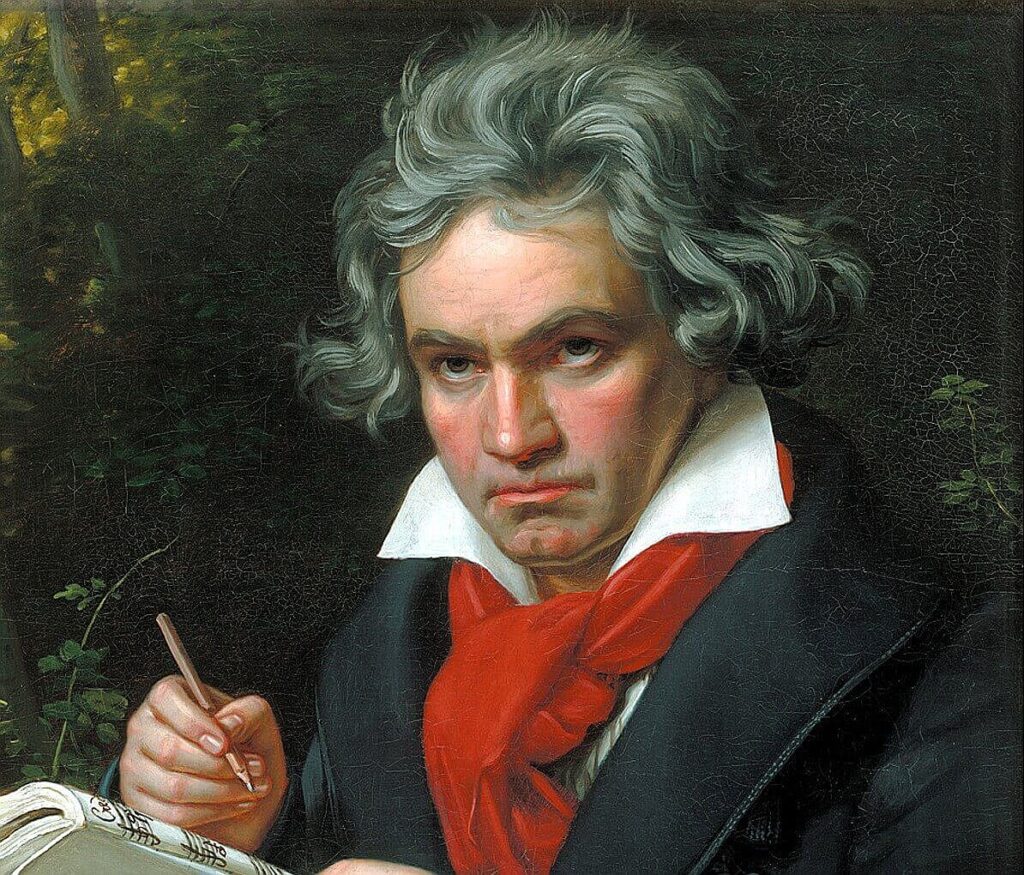
Ludwig van Beethoven
Ludwig van Beethoven, born in 1770, is widely regarded as one of the most influential composers in the history of Western music. His life spanned a tumultuous period in Europe, marked by the transition from the Classical to the Romantic era. Beethoven’s compositions not only reflect the artistic shifts of his time but also signify a profound transformation in the role of the composer. Prior to Beethoven, music was often created for specific purposes, such as religious ceremonies or social gatherings. However, Beethoven broke away from these conventions, infusing his works with personal expression and emotional depth, which resonated with audiences on a much deeper level. His symphonies, sonatas, and chamber music are celebrated for their innovative structures and rich harmonies, paving the way for future generations of composers.
One of Beethoven’s most notable contributions to music is his ability to convey complex human emotions through sound. His third symphony, the “Eroica,” is a prime example of this shift. Initially dedicated to Napoleon Bonaparte, the symphony reflects themes of heroism and struggle, illustrating Beethoven’s belief in the power of the individual. This was a radical departure from the more restrained emotional expressions of his predecessors. Furthermore, Beethoven’s later works, particularly his late string quartets and the Ninth Symphony, showcase his exploration of new musical forms and ideas, including the incorporation of vocal elements in symphonic music. The Ninth Symphony, with its choral finale set to Friedrich Schiller’s “Ode to Joy,” not only celebrates universal brotherhood but also marks a significant milestone in the history of music, as it was one of the first instances where a symphony included vocalists.
Beethoven’s legacy extends beyond his compositions; he is a symbol of artistic freedom and resilience. Despite facing profound personal challenges, including deafness in his later years, he continued to compose some of his most celebrated works, demonstrating an unwavering commitment to his art. His ability to transcend personal adversity has inspired countless musicians and artists, solidifying his status as a cultural icon. Today, Beethoven’s music continues to be performed and cherished worldwide, resonating with audiences across generations. His influence is evident in the works of later composers, who drew inspiration from his innovative techniques and emotional depth. As we celebrate Beethoven’s contributions to music, we also recognize the enduring power of creativity to connect us all, transcending time and circumstance.
https://www.youtube.com/watch?v=W-fFHeTX70Q
Ludwig van Beethoven (1770 – 1827) is one of the greatest composers in history. His work marked a turning point for composers, who had previously written primarily for religious services, to teach, or to entertain at social functions. But Beethoven’s […]