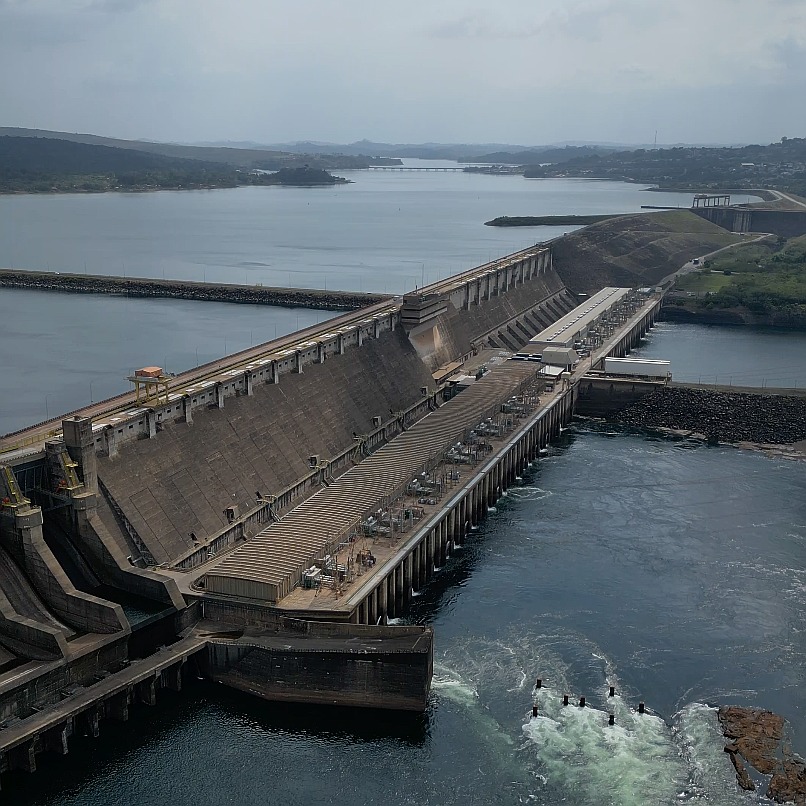
Hydropower Is Getting Less Reliable as the World Needs More Energy
As global energy demands surge, the reliability of hydroelectric power, one of the oldest and most established sources of renewable energy, is increasingly being challenged by the impacts of climate change. Traditionally seen as a stable and sustainable power source, hydro plants are now grappling with severe weather patterns, including prolonged droughts and intense flooding, which disrupt their operations and diminish their energy output. For instance, regions that once relied heavily on consistent water flow for energy generation are experiencing drastic fluctuations, leading to significant reductions in electricity production. This situation raises concerns about energy security and the transition to renewable energy sources amidst a backdrop of climate unpredictability.
The effects of climate change on hydroelectric power generation are starkly illustrated by recent events in various parts of the world. In places like California, drought conditions have severely limited water availability for hydroelectric plants, prompting a reevaluation of energy strategies that heavily depend on this resource. Conversely, extreme flooding in other regions can overwhelm infrastructure, leading to operational shutdowns and safety concerns. Such disruptions not only threaten local energy supplies but also highlight the vulnerabilities in relying solely on hydroelectric power as part of a broader renewable energy strategy. As countries strive to meet their energy needs while adhering to climate goals, the challenges faced by hydro plants underscore the urgent need for diversified energy portfolios that can withstand the uncertainties of a changing climate.
In response to these challenges, energy policymakers and industry leaders are exploring innovative solutions to enhance the resilience of hydroelectric systems. Investments in technology, such as improved water management systems and the integration of complementary renewable sources like solar and wind, are being prioritized to mitigate the risks posed by climate variability. Furthermore, there is a growing recognition of the importance of adaptive strategies that incorporate climate forecasting into energy planning. By embracing a more holistic approach to energy generation and distribution, stakeholders can better prepare for the future, ensuring that the transition to renewable energy remains robust and sustainable, even in the face of climate change’s unpredictable impacts.
Demand for power is growing fast, but hydro plants, the oldest source of clean energy, are struggling because of droughts, floods and other extreme weather linked to climate change.


