
Trade Chaos Leads Small Businesses to Rethink U.S. Relationships
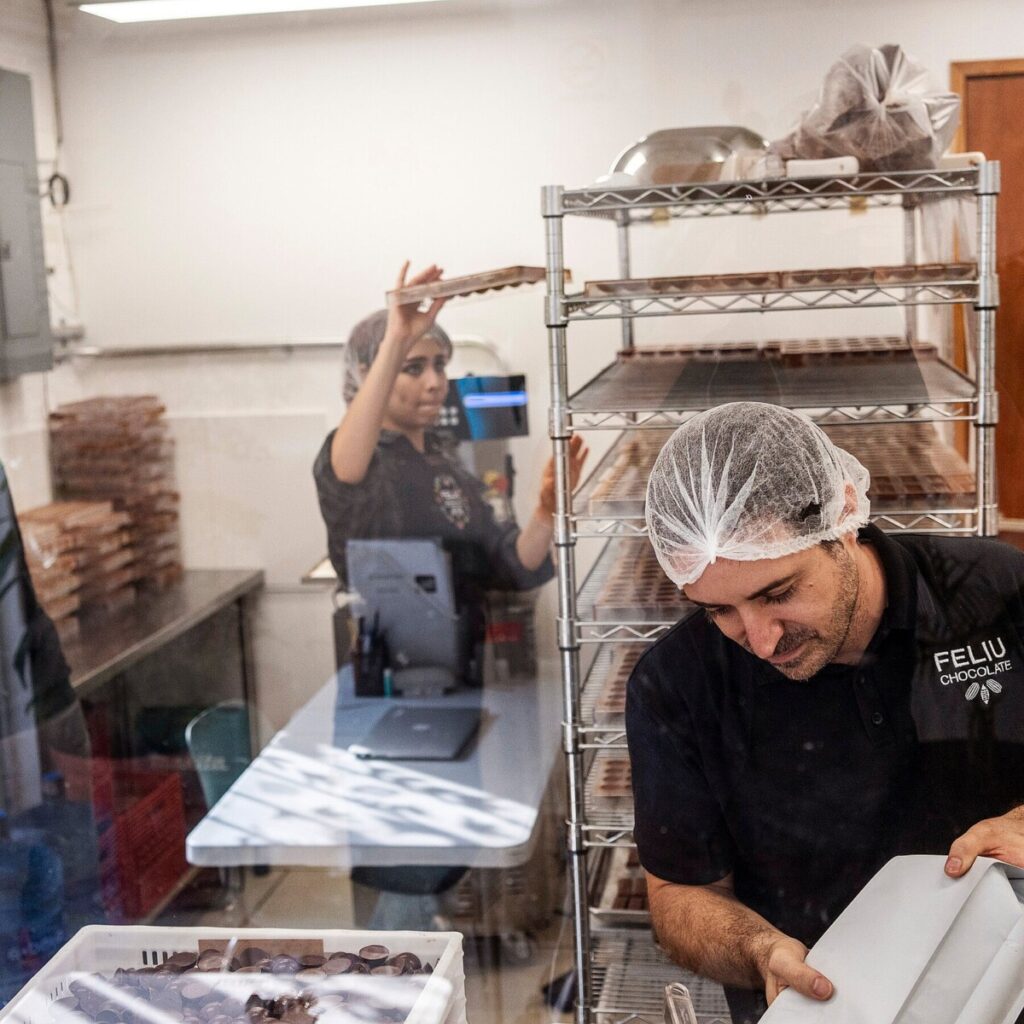
In the heart of Mexico, Víctor Feliu, the owner of a thriving chocolate company, finds himself at a crossroads due to shifting regulations regarding cross-border shipping to the United States. Feliu has built a reputation for his artisanal chocolates, which are crafted using traditional methods and locally sourced ingredients. However, recent changes in trade policies and customs regulations have created significant obstacles for small businesses like his, compelling him to pause shipments to U.S. customers. This decision not only impacts Feliu’s revenue but also highlights broader challenges faced by small-scale producers in navigating the complexities of international trade.
The new rules, which have been implemented to enhance food safety and compliance standards, require extensive documentation and inspections that can be particularly burdensome for smaller enterprises. For Feliu, this means investing time and resources into understanding and meeting these requirements, diverting his focus from chocolate production and innovation. He expressed concerns that these regulations disproportionately affect smaller companies, which often lack the infrastructure and financial means to adapt quickly. As a result, Feliu is not only facing potential losses in sales but also the risk of losing a loyal customer base that has come to appreciate the unique flavors and quality of his chocolates.
Feliu’s situation is emblematic of a larger trend affecting many artisanal producers in Mexico and beyond. The complexities of international trade can stifle the growth of small businesses, forcing them to reconsider their market strategies. As Feliu pauses his shipments, he is also exploring alternative markets and local distribution channels to sustain his business. This pivot not only underscores the resilience of small entrepreneurs but also raises questions about the future of cross-border commerce and the need for policies that support rather than hinder small-scale producers. In a global economy increasingly reliant on small businesses, finding a balance between regulation and support is crucial for fostering innovation and growth in the artisanal sector.
Víctor Feliu at his chocolate company in Mexico. The changing rules for sending goods to the United States have forced him to pause his U.S. shipments.



