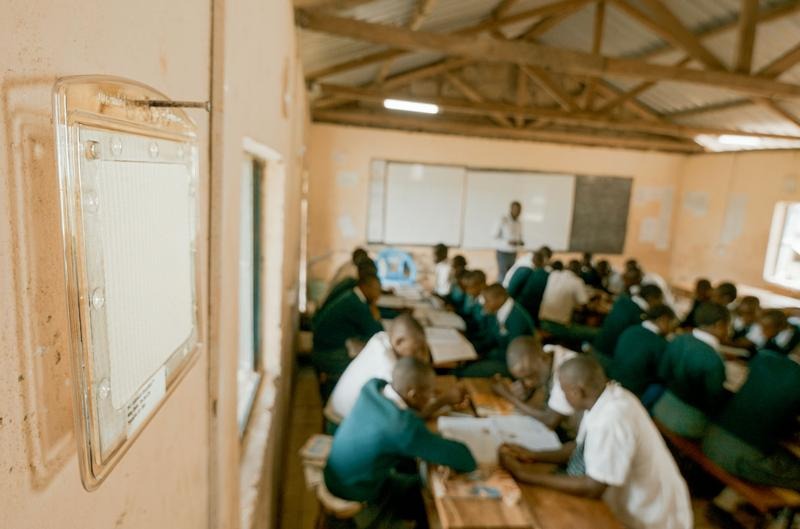
New vapor tool fights mosquitoes by slowly releasing insecticide in homes. Will it catch on?
The World Health Organization (WHO) has recently endorsed the use of “spatial repellents” as a promising strategy to combat malaria, particularly in regions where the disease remains endemic. Spatial repellents are chemical substances designed to deter mosquitoes from entering living spaces, thereby reducing the risk of malaria transmission. This endorsement comes at a critical time, as malaria continues to pose a significant public health challenge, particularly in sub-Saharan Africa, where the disease claims hundreds of thousands of lives each year, primarily among children under five. The WHO’s support highlights the potential of these repellents to complement existing prevention measures, such as insecticide-treated bed nets and indoor residual spraying, enhancing overall malaria control efforts.
However, a major hurdle remains: the question of funding. While the WHO’s backing could stimulate interest and investment in the development and distribution of spatial repellents, the lack of a clear financial framework raises concerns about accessibility and implementation. For instance, the production and distribution of these repellents may require substantial initial investments, and it is uncertain whether governments, non-governmental organizations, or private sectors will step up to cover these costs. Furthermore, the WHO has emphasized the need for rigorous research and evaluation to ensure the efficacy and safety of these repellents in various settings. Without a solid financial commitment, the rollout of spatial repellents could be hampered, leaving vulnerable populations without effective protection against malaria.
In light of these challenges, stakeholders in global health are urged to collaborate and devise innovative funding strategies that could facilitate the widespread adoption of spatial repellents. This could involve public-private partnerships, international aid, or innovative financing mechanisms that prioritize the health of populations at risk. As the WHO pushes for the integration of spatial repellents into malaria prevention frameworks, the global community must rally to ensure that financial barriers do not hinder progress in the fight against this preventable disease. Ultimately, addressing both the technical and financial aspects of malaria prevention will be crucial in reducing the burden of this disease and saving lives in affected regions.
World Health Organization supports “spatial repellents” to prevent malaria, but it’s unclear who will pay for them


