In One Week, Trump Moves to Reshape U.S. Environmental Policy
This week, President Trump is making headlines in Washington as his administration unveils a series of proposed rollbacks that could significantly reshape U.S. environmental policy for the foreseeable future. These changes are part of a broader agenda aimed at reducing regulatory burdens on businesses, particularly in the fossil fuel and manufacturing sectors. The proposals include easing restrictions on air and water pollution, revisiting landmark regulations like the Clean Power Plan, and rolling back protections for national parks and wildlife habitats. By prioritizing economic growth over environmental protections, the Trump administration is signaling a shift in how the United States approaches climate change and conservation.
One of the most notable proposals involves the re-examination of the National Environmental Policy Act (NEPA), which requires federal agencies to assess the environmental impacts of their actions. Critics argue that weakening NEPA could lead to increased pollution and habitat destruction, as projects could be fast-tracked without thorough environmental reviews. Additionally, the administration is pushing for changes to the Clean Air Act that would allow for higher emissions from industrial facilities, which environmentalists warn could have dire consequences for public health and air quality. The implications of these rollbacks extend beyond immediate environmental impacts; they could also set a precedent for future administrations, making it easier to prioritize economic interests over ecological stewardship.
As the proposed rollbacks are met with fierce opposition from environmental groups and some state governments, the debate over the future of U.S. environmental policy is heating up. Advocates for stronger protections argue that the long-term costs of neglecting environmental issues—such as climate change, public health crises, and biodiversity loss—far outweigh the short-term economic benefits touted by the administration. The outcome of these proposals could not only affect the current landscape of environmental regulation but also influence the political discourse surrounding climate action in the years to come. As the nation grapples with the balance between economic growth and environmental sustainability, all eyes are on Washington to see how these proposed changes will unfold.
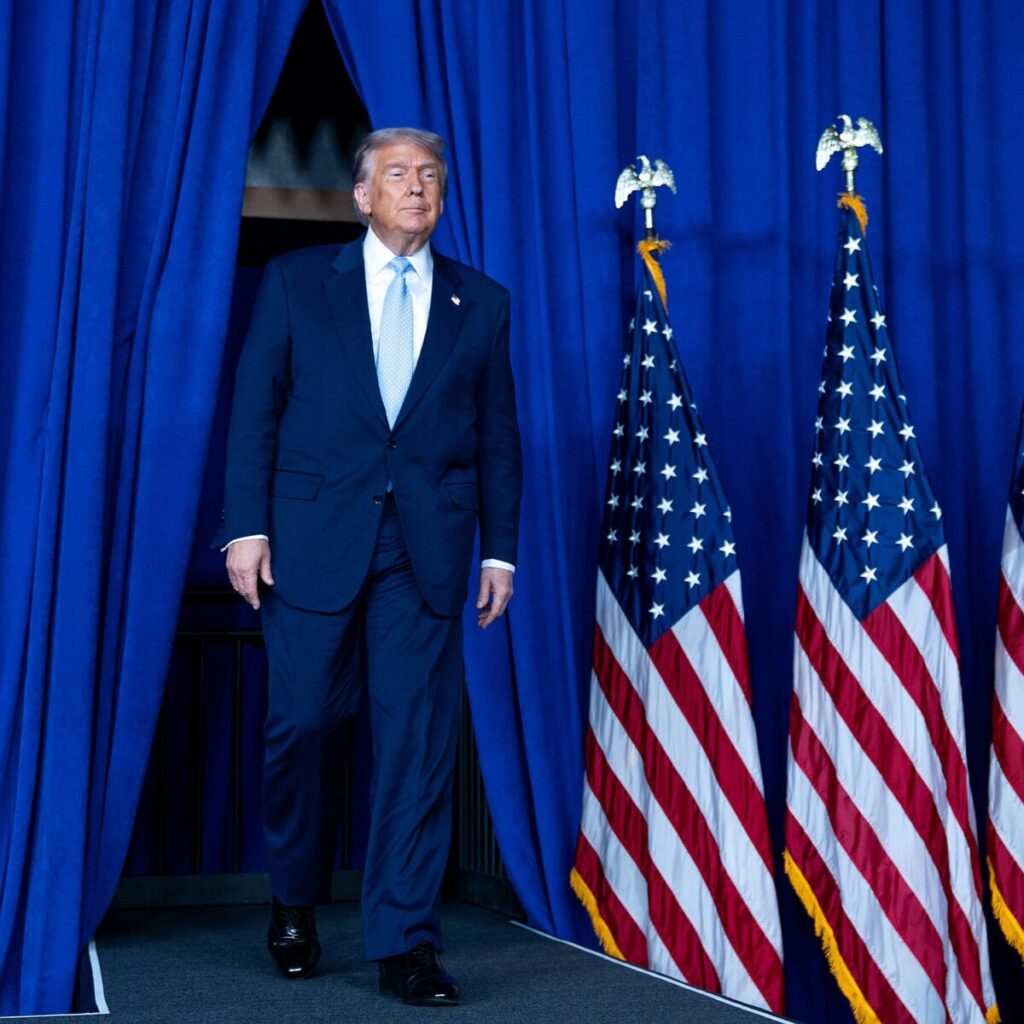
President Trump in Washington this week. A series of proposed rollbacks could reshape U.S. environmental policy for years to come.


