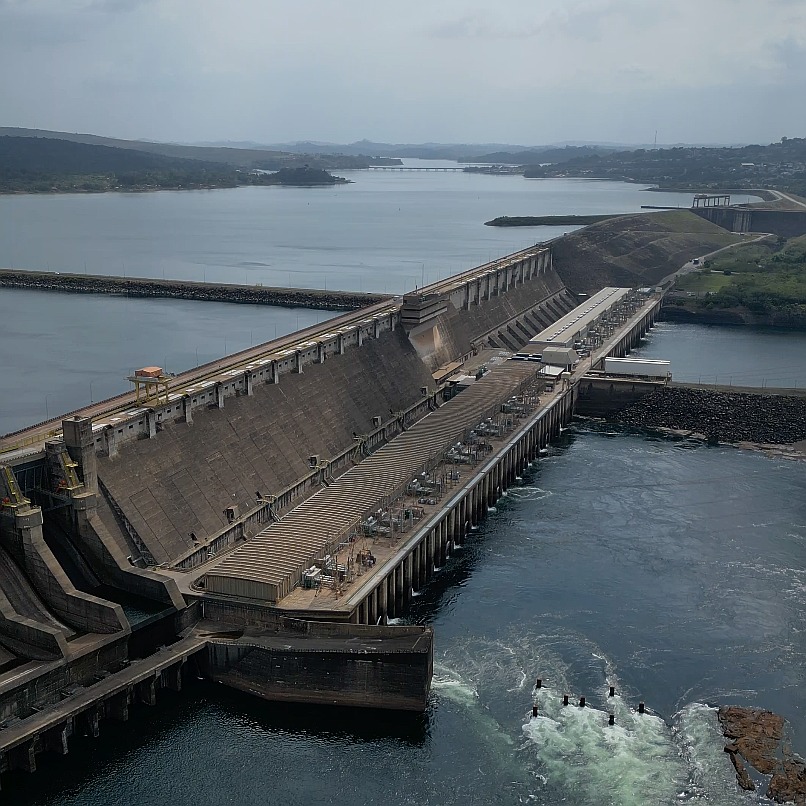
Hydropower Is Getting Less Reliable as the World Needs More Energy
As global energy demand continues to surge, the challenges faced by hydroelectric power plants—a long-standing source of renewable energy—are becoming increasingly pronounced. With climate change intensifying the frequency and severity of extreme weather events, traditional hydroelectric facilities are grappling with the impacts of droughts and floods that disrupt their operations. These shifts not only threaten the reliability of hydroelectric power generation but also raise concerns about energy security in regions heavily reliant on this clean energy source.
Hydroelectric power has long been heralded as a cornerstone of sustainable energy, providing a significant portion of electricity in many countries. However, the growing unpredictability of water availability due to climate change poses a serious threat to these facilities. For instance, prolonged droughts can lead to reduced water levels in reservoirs, limiting the capacity of hydro plants to generate electricity. Conversely, extreme flooding can damage infrastructure and create operational challenges. A recent report highlighted that in areas like the American West, where hydroelectric power accounts for a substantial share of energy production, the increasing volatility of weather patterns is forcing utilities to reconsider their energy portfolios and invest in alternative sources to ensure a stable supply.
Moreover, the implications of these challenges extend beyond just energy production; they also impact local economies and ecosystems. Communities that depend on hydroelectric plants for jobs and economic stability are facing uncertainty as energy generation becomes less predictable. Additionally, the ecological balance of rivers and lakes, which hydro plants are often designed to protect, is threatened by the erratic water levels caused by climate change. As policymakers and energy planners navigate these complexities, the need for adaptive strategies and investments in diverse energy sources becomes more critical than ever. Emphasizing resilience in energy systems, alongside a commitment to reducing greenhouse gas emissions, will be essential to meet the growing demand for power in a changing climate.
Demand for power is growing fast, but hydro plants, the oldest source of clean energy, are struggling because of droughts, floods and other extreme weather linked to climate change.


