‘The bubble is ahead of us’: hedge fund exec says investors still don’t get how big AI is
In a recent interview, Greg Jensen, co-chief investment officer of Bridgewater Associates, shared his insights on the current state of artificial intelligence (AI) investment, suggesting that the real AI bubble is still on the horizon. Jensen, who has over a decade of experience with machine learning, emphasized that many investors are underestimating the transformative potential of AI and the sheer scale of capital that is about to flood the market. He argued that while some industry leaders, including Bill Gates and Michael Burry, have drawn parallels between the current AI boom and the dot-com bubble, we have not yet entered the speculative phase of this technological revolution. Instead, Jensen believes we are still in a phase where “people have no idea what’s hitting them,” and that the true impact of AI on markets, geopolitics, and economic growth is yet to be fully realized.
Jensen pointed out that the urgency driving AI leaders, such as Elon Musk and OpenAI’s Sam Altman, is fundamentally different from past tech cycles. He noted that these leaders perceive the stakes as existential, believing that the ability to control significant aspects of the world is imminent. This mindset means that capital expenditures in AI are unlikely to wane, even if valuations appear stretched. Jensen described this phenomenon as a “resource grab phase,” where companies are racing to secure power, data-center land, and advanced chips, leading to market distortions and bottlenecks. He highlighted the intense competition for top-tier AI talent, estimating that fewer than a thousand individuals globally can be considered cutting-edge AI scientists, which is further slowing scientific progress.
As Jensen analyzed the broader market implications of AI, he observed that while AI-related companies have been performing well, traditional U.S. equities are beginning to lag behind their global counterparts. He estimated that approximately one percentage point of U.S. GDP growth this year can be attributed to AI investment alone, underscoring the technology’s growing economic significance. However, he cautioned that we are entering a “more dangerous phase” characterized by scarce resources, accelerating spending, and heightened competition. Jensen’s insights serve as a clarion call for investors to prepare for the impending changes that AI will bring, as the current landscape is merely a precursor to a much larger and more impactful wave of transformation yet to come.
https://www.youtube.com/watch?v=XcYpXHQFiCs
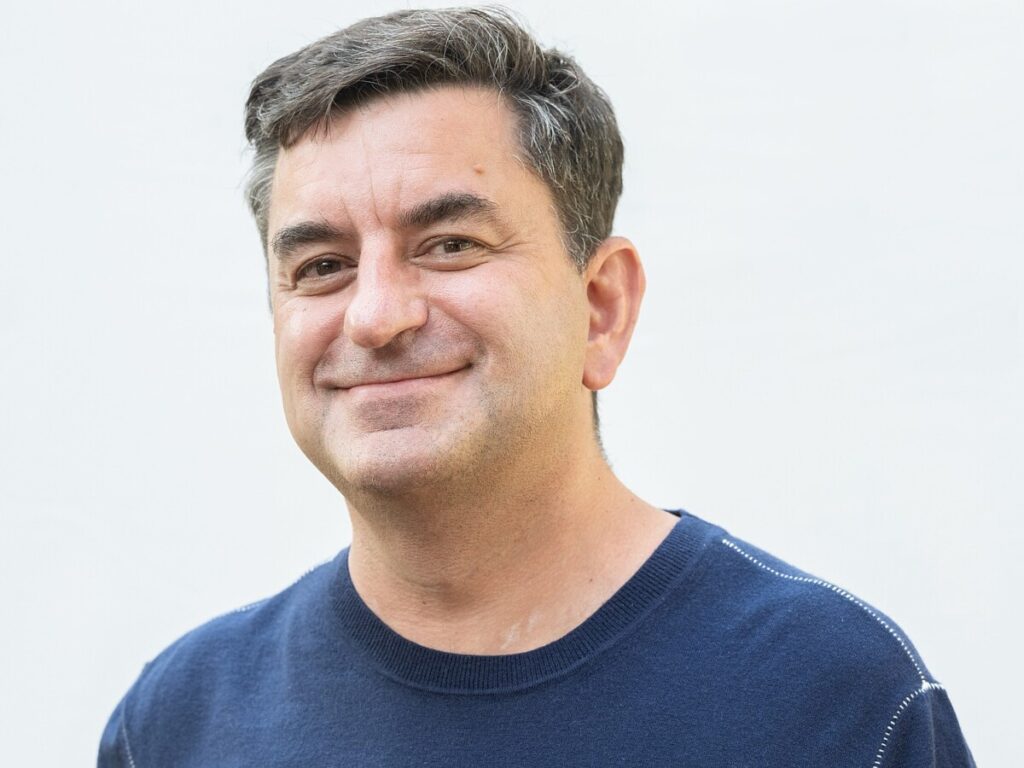
Bridgewater Associates co-CIO Greg Jensen
Bridgewater Associates
Greg Jensen said the real AI bubble is still ahead as investors miss its scale.
Bridgewater’s co-CIO said AI is entering a ‘dangerous’ new phase and Wall Street still isn’t ready.
He said investors have ‘no idea what’s hitting them’ as AI spending accelerates.
Investors who are convinced the
AI boom
has gone too far should brace for what’s about to hit the market, Greg Jensen, co-chief investment officer at Bridgewater Associates, said in a recent interview.
Jensen — who said he has spent more than a decade working with machine learning — said the market still hasn’t grasped how transformative the technology will be or how much capital is about to flood into it.
“The bubble is ahead of us, not behind us,” he said in an interview on the “In Good Company” podcast on Wednesday with Norges Bank Investment Management CEO Nicolai Tangen.
While some business leaders and investors, such as
Bill Gates
and
Michael Burry,
have said that the AI boom resembles the dot-com era, Jensen said the world hasn’t even reached the speculative phase.
Instead, he said, we’re still in the phase “where people have no idea what’s hitting them,” and that most investors don’t yet understand how radically
AI
will reshape markets, geopolitics, and economic growth.
AI leaders think the stakes are existential
Jensen said one reason the cycle is different from past tech manias is that AI leaders, including
Elon Musk
, OpenAI’s CEO
Sam Altman
, and Google, believe the stakes are existential.
They “believe that the power to control Earth and the universe is only a couple years away,” he said, adding that “they’re not motivated by this normal profit incentives of the typical cycle.”
That mindset means capital expenditure won’t slow just because valuations look stretched or funding gets expensive. “This money is going to get spent,” he said.
That has triggered what Jensen calls a “resource grab phase,” unlike anything the tech industry has experienced before.
The rush for power, data-center land, and advanced chips is already creating bottlenecks.
Talent, he added, is another bottleneck. Jensen estimated “less than a thousand” people globally qualify as truly cutting-edge AI scientists, and the fierce competition to hire them is slowing scientific progress.
Tangen said the market now looks like professional sports: “It’s like soccer players and the transfer season,” to which Jensen replied, “Exactly.”
The resource grab is already distorting markets
Despite AI’s growing impact on markets, Jensen said investors still focus too narrowly on the current winners.
Stripping out the big AI names, US equities have already started to underperform the rest of the world, he said — a sign that the sector is masking deeper economic shifts.
Meanwhile, AI-related capital spending is now large enough to move macro indicators: Jensen estimates that about one percentage point of US GDP growth this year stems from AI investment alone.
All of this, he said, is still just the beginning.
Jensen said the world is now entering a “more dangerous phase” of the AI cycle — defined by scarce resources, accelerating spending, and intensifying competition — and that investors still aren’t prepared for what comes next.
Read the original article on
Business Insider