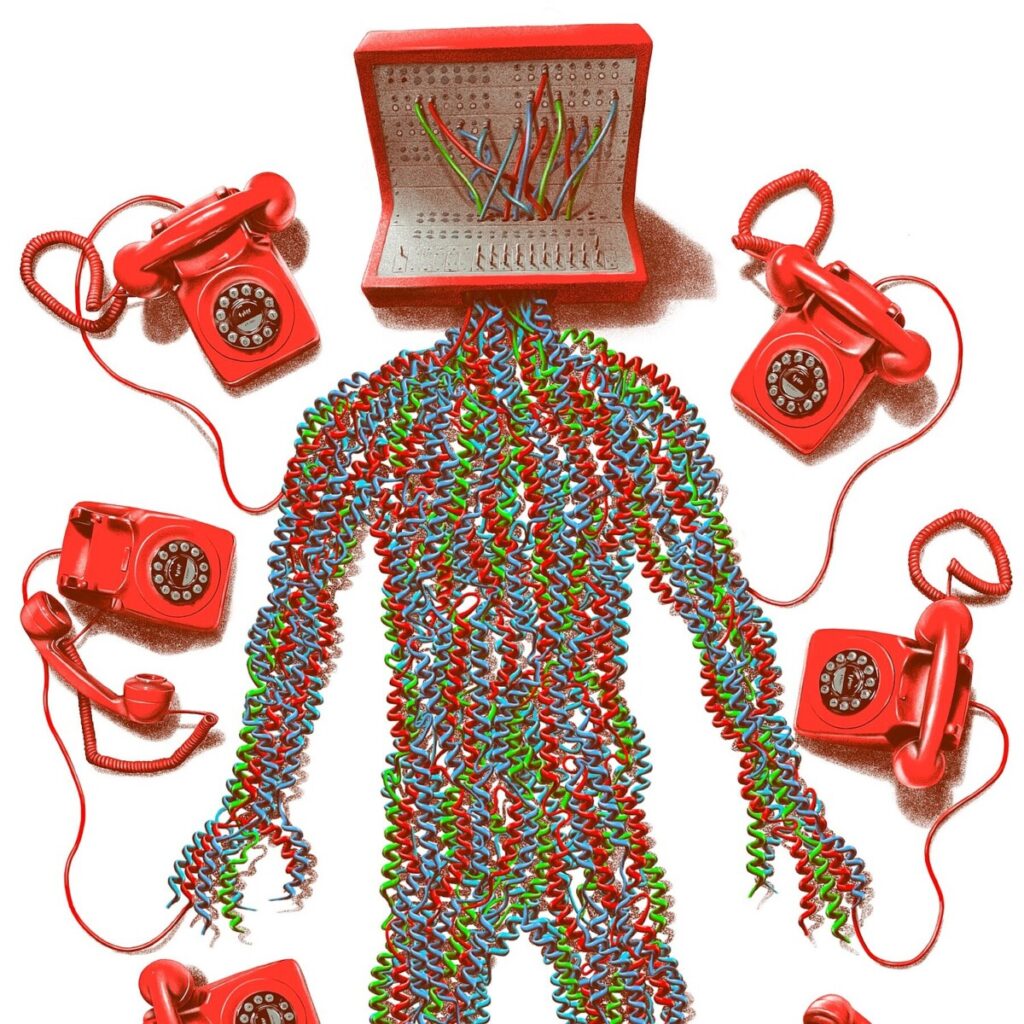
Mapping the Brain’s Sense of What Goes On Inside the Body
Recent advances in neuroscience are shedding light on the intricate ways the brain monitors and interprets bodily signals, a process known as interoception. This understanding is crucial as it not only reveals how we perceive our internal states—such as hunger, pain, and emotional responses—but also how disruptions in this process may contribute to various psychiatric disorders. Researchers have been investigating the neural pathways involved in interoception, focusing on how the brain integrates information from the body to create a coherent sense of self and emotional awareness.
One significant finding in this field is the role of the insular cortex, a brain region that acts as a hub for processing interoceptive signals. Studies using neuroimaging techniques have shown that individuals with certain psychiatric conditions, such as anxiety and depression, often exhibit altered activity in the insula. For instance, patients with anxiety disorders may have heightened sensitivity to bodily sensations, leading to an exaggerated perception of threat, while those with depression might struggle to recognize their own emotional states. This misalignment between bodily signals and emotional interpretation can exacerbate symptoms and complicate treatment efforts.
Moreover, researchers are exploring therapeutic interventions that target interoceptive awareness to improve mental health outcomes. Techniques such as mindfulness and body-focused therapies aim to enhance individuals’ ability to accurately perceive and interpret their internal states. By fostering a better connection between the brain and body, these approaches may help alleviate symptoms of psychiatric disorders and promote overall well-being. As scientists continue to unravel the complexities of interoception, this knowledge holds promise for developing innovative treatments that address the root causes of various mental health issues.
Scientists are learning how the brain knows what’s happening throughout the body, and how that process might go awry in some psychiatric disorders.


