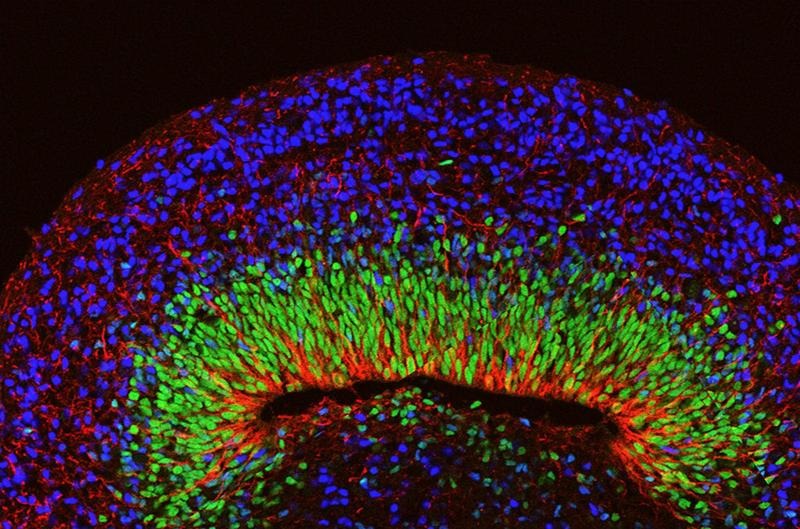
Lab-grown models of human brains are advancing rapidly. Can ethics keep pace?
Recent advancements in biotechnology have brought neural organoids—miniature, simplified versions of the human brain—into the spotlight, prompting a flurry of ethical and scientific debates. These organoids, derived from stem cells, mimic certain aspects of brain structure and function, making them invaluable for research into neurological diseases and potential treatments. However, as their complexity increases, so do the questions surrounding their sentience and the ethical implications of using them in research, particularly in animal studies.
One of the central issues is whether these neural organoids possess the capacity to feel pain or experience consciousness. While current scientific consensus suggests that organoids lack the complex neural architecture necessary for pain perception, the rapid advancements in technology mean that this understanding could evolve. For instance, researchers have noted that some organoids exhibit electrical activity similar to that of a developing brain, leading to concerns about their potential for sentience. This raises critical ethical questions about whether it is appropriate to use these organoids in experiments, especially if they are to be implanted in animals for further study. The scientific community is divided; some argue that the potential benefits of understanding brain disorders and developing therapies justify the use of organoids, while others caution against the moral implications of experimenting on entities that may possess rudimentary forms of consciousness.
The debate extends beyond the laboratory to regulatory and ethical frameworks governing research practices. As neural organoids become more sophisticated, there is an urgent need for guidelines that address the ethical treatment of these biological entities. The conversation is not merely academic; it has real-world implications for how scientists approach research involving organoids and their potential use in animal models. As researchers continue to explore the boundaries of biological innovation, the challenge will be to balance scientific progress with ethical responsibility, ensuring that advancements in understanding the human brain do not come at the cost of moral integrity. The future of neural organoids, and their role in both science and ethics, remains a compelling topic that warrants ongoing discussion and scrutiny.
Whether neural organoids feel pain or should be placed in animals are among the questions swirling around biology’s hot new technology


