How food assistance programs can feed families and nourish their dignity
In light of the recent government shutdown and its impact on food assistance programs like the Supplemental Nutrition Assistance Program (SNAP), the issue of food insecurity in the United States has gained renewed attention. Over 42 million Americans rely on SNAP benefits, and during the 43-day suspension of these benefits, many faced significant challenges in securing adequate nutrition. A poignant example comes from a West Virginia resident who expressed her frustration, stating, “We’re angry. Because we do count!” This sentiment underscores a deeper issue: food is not merely sustenance; it also carries social significance. The inability to provide healthy meals that align with personal values can strip individuals of their dignity, making them feel marginalized and undervalued in society.
Research into food inequality reveals that while food assistance programs are crucial for meeting basic nutritional needs, they often come with stigmas that can diminish self-worth. Many individuals who rely on food banks report feelings of shame and embarrassment, particularly when faced with low-quality or unappealing food options. For instance, one woman described the food she received as “almost trash,” highlighting the emotional toll that food insecurity can take. Furthermore, the atmosphere in food pantries—often marked by signs limiting food choices and the scrutiny of patrons—can exacerbate feelings of powerlessness. The stigma surrounding SNAP benefits is pervasive, with many recipients facing judgment from the public, further isolating them during already challenging times.
However, there is hope in the form of innovative food assistance programs that prioritize dignity and respect. Studies have shown that programs designed to empower individuals and foster a sense of community can significantly improve the experience of those in need. For example, a meal kit program called “Pass the Love” provided participants with nutritious meals and a sense of care, transforming the act of receiving food into a positive experience. Participants described the joy of receiving well-packaged meal kits as akin to a “gift,” highlighting the importance of quality and presentation in food assistance. These findings emphasize that treating food as a basic human right involves not just meeting nutritional needs, but also ensuring that individuals feel valued and respected. By minimizing stigma and cultivating dignity, food assistance programs can play a crucial role in not only addressing hunger but also restoring a sense of self-worth among those they serve.
Food assistance does more good when it doesn’t make people feel bad for needing help.
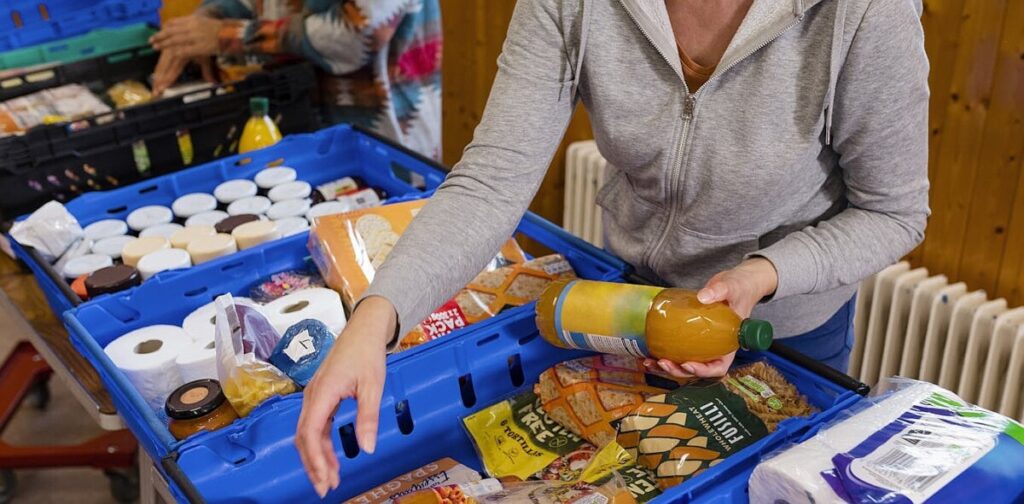
SolStock/E+ via Getty Images
The
2025 government shutdown
drew widespread attention to how many Americans struggle to get enough food. For 43 days, the more than 42 million Americans who receive
Supplemental Nutrition Assistance Program
benefits had to find other ways to stock their cupboards.
When asked how she felt about her benefits being suspended, one
woman in West Virginia
told a New York Times reporter, “We’re angry. Because we do count!”
Her sentiment reflects an often underappreciated fact about food. Food is not just a matter of survival. What and how you eat is also a symbol of your social status. Being unable to reliably feed your family healthy and nutritious foods in a way that aligns with your values can feel undignified. It can make people feel unseen and less important than others.
As researchers who study
food inequality
,
nutrition
and
food justice
, we have spent decades surveying and interviewing Americans about how they eat. We have witnessed firsthand how food assistance does help people meet their basic needs, but how it can also be stigmatizing and diminish their sense of dignity.
We have also studied alternatives to typical charitable food programs that, despite good intentions, tend to induce shame. We have learned that it is possible to help people put food on the table while preserving their dignity.
Dignity and food assistance
Addressing the root causes of food insecurity – what happens when people lack steady access to the
food they need for a nutritious diet
that’s in keeping with their preferences – is a persistent problem in the United States.
Thus, the
demand for SNAP benefits
, which help Americans buy groceries,
other government nutrition programs
, and
food banks and food pantries
rarely declines much – even when the economy is strong. Yet relying on food assistance programs
does not tend to support a healthy diet
and can take a toll on mental health.
As interviewers and clinicians, we have heard mothers describe the shame they feel when SNAP benefits do not cover the entire grocery bill.
We have witnessed the frustration
that comes with walking down a food pantry aisle lined with signs instructing hungry people to “take only 1 item!”
“The stuff looks like almost trash, but they give it to you,” one woman we interviewed said of her experience with food pantries and the like.
These kinds of stories are not uncommon. Charitable food programs receive leftover items from grocery stores, donations from community food drives and local businesses, and sometimes surplus from local farms. Food is often damaged in transport or from being handled too many times. A review of the research found that many people who use food pantries
described the food as unhealthy, moldy or inedible
. Being given unhealthy and unappealing food in a time of need is a double burden.
While free food may fill the stomach, it does not satisfy the desire to feel fully human and worthy of nourishment.
People who visit food banks
have told researchers that they have come to expect
low-quality food and few choices. When food aid is provided that way, it can leave the people it is supposed to help
feeling powerless
and
ashamed
.
These indignities are compounded by the fact that people who visit food banks and food pantries
routinely face suspicion and surveillance
around what they buy and how they eat, intensifying the
stress associated with food insecurity
.
In our research, we saw cashiers hovering over mothers using
SNAP EBT cards
in the self-checkout line.
Politicians routinely suggest that SNAP is corrupt
, contributing to nationwide perceptions that people who rely on this program are unfairly gaming the system. One study found that more than two-thirds of the Americans people who get food assistance have been the
target of hostile comments and interactions from strangers at the grocery store
.
Minimizing stigma
Several studies
have shown that food programs do not need to sacrifice dignity to offer help. Programs that offer opportunities for people with lower incomes to receive and give back are important.
In Canada, bulk-buying food cooperatives
did just that. Food assistance programs confer dignity when they
make people feel good
. People seeking help feel more satisfied after visiting food pantries that keep convenient hours or offer fresh produce.
SNAP has also tried to promote client dignity
by ensuring that benefits are accepted in major grocery stores and distributing the funds to debit cards, allowing people to look and feel like everyday shoppers.
Yet despite these efforts
social stigma persists
. People who are enrolled in the SNAP program are still
routinely devalued and judged for being poor
in a society that assigns social value and worth based on one’s position on the economic ladder.
Because SNAP benefits can be used to buy food at stores, the program generally allows for broad choices.
Brandon Bell/Getty Images
Cultivating dignity in food assistance
Minimizing stigma improves food assistance. Intentionally cultivating food dignity may be the next step.
Our assessment of a nationwide meal kit program demonstrated how dignity can be cultivated when food assistance programs consider the nutritional, emotional, aesthetic and cultural dimensions of food and eating.
In 2021, we conducted 116 interviews with participants of a meal kit program called
Pass the Love
. The program was free and anyone could enroll, no questions asked. The meal kits contained the necessary food and recipes to make three vegetarian meals a week, such as sesame coconut noodle salad or carrot coconut dal with rice. The program ran for four consecutive weeks.
When we interviewed participants about their experiences during and after the program,
we learned
that while they were thankful for the free food, what mattered more was the high quality, how it was packaged and how it conveyed care and respect.
Most participants had incomes at or well below the poverty line. They described what we came to call a “high dignity food experience,” meaning that it generated positive feelings and a sense of worth.
Opening the nicely packaged meal kit boxes each week felt like “Christmas,” to some people and a “gift” to others. Many found the “thought and care” that went into the program remarkable. Offering high-quality food to make nutritious, complete meals symbolized that low-income or food-insecure people deserve to eat well and feel good.
Our research, like similar studies that others have conducted, shows that
treating food as a basic human right
requires more than just giving people something to eat. It means ensuring unconditional access to the culturally appropriate fresh and nutritious food people need to thrive not just physically, but psychologically and socially.
Joslyn Brenton received funding from Partnership for a Healthier America as an external research expert.
Dr. Virudachalam received funding from the Edna G. Kynett Memorial Foundation, Rite Aid Foundation, and Partnership for a Healthier America in the last 36 months. She is a member of The Food Trust Board of Directors, the National Produce Prescription Collaborative Steering Committee, and Philadelphia City Council’s Food and Nutrition Security Task Force.
Alyssa Tindall does not work for, consult, own shares in or receive funding from any company or organization that would benefit from this article, and has disclosed no relevant affiliations beyond their academic appointment.


