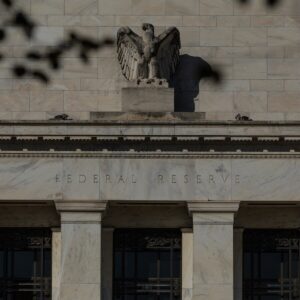
China’s financial tentacles run deeper through America than previously thought
In an intriguing analysis by Bradley Parks, the evolving landscape of international lending is explored, particularly how affluent nations are increasingly mirroring the lending practices of China. Traditionally, Western countries have approached international finance with a focus on strict adherence to regulations and transparency. However, in recent years, there has been a noticeable shift, with these nations, facing economic pressures and the need for rapid infrastructure development, adopting a more flexible and state-driven approach to lending that reflects China’s model. This shift is not merely a response to immediate financial needs but also a strategic move to strengthen ties with developing nations, often referred to as the Global South.
Parks highlights that this trend is evident in various initiatives, such as the growing willingness of rich countries to provide loans with fewer strings attached, reminiscent of China’s Belt and Road Initiative. For instance, countries like Japan and members of the European Union are increasingly offering financing that prioritizes speed and development over the stringent conditions typically associated with Western aid. This change is driven by the realization that many developing nations prefer the Chinese model, which allows for greater autonomy in how funds are utilized. As a result, rich countries are not only seeking to compete with China for influence but are also recognizing the effectiveness of a more state-centric approach to international lending. This evolution raises questions about the future of global finance and the balance of power, as the lines between traditional Western lending practices and China’s approach continue to blur.
The implications of this shift are significant, as it could lead to a reconfiguration of international relations and economic dependencies. By adopting China’s lending style, rich countries may inadvertently reinforce a system that prioritizes short-term gains over long-term sustainability. This could result in developing nations accumulating debt that they struggle to repay, ultimately leading to a cycle of dependency similar to that seen in some Chinese-funded projects. As the global economy continues to evolve, Parks’ insights serve as a crucial reminder of the need for a balanced approach to international lending—one that prioritizes transparency, sustainability, and equitable development for all parties involved.
As well as relying more on the Chinese state for credit, rich countries are emulating its style of lending, writes Bradley Parks