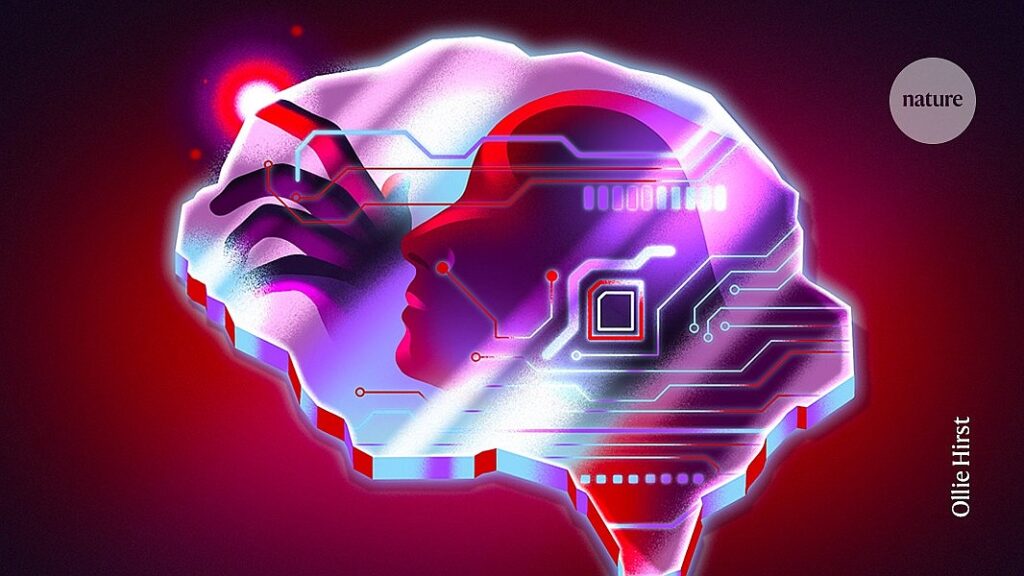
Mind-reading devices can now predict preconscious thoughts: is it time to worry?
In a thought-provoking article published in Nature, ethicists raise urgent concerns about the implications of artificial intelligence (AI) in the realm of neurotechnology, particularly regarding privacy and personal autonomy. As the integration of AI into neurotechnological devices becomes more prevalent, there is a growing fear that these advancements could compromise the fundamental rights of individuals. Neurotechnology, which includes devices that can interface directly with the brain, has the potential to revolutionize healthcare, enhance cognitive capabilities, and even assist in treating neurological disorders. However, the ethical implications of such technologies cannot be overlooked, especially as they become increasingly sophisticated and pervasive.
One of the primary concerns highlighted by ethicists is the risk of invasive data collection. As neurotechnologies gather vast amounts of personal information about users’ thoughts, emotions, and behaviors, the potential for misuse becomes a significant issue. For instance, companies developing these technologies may exploit sensitive data for commercial gain or surveillance, leading to a loss of privacy that individuals may not fully comprehend or consent to. Moreover, the integration of AI could lead to biased algorithms that affect decision-making processes, further eroding users’ autonomy. The potential for AI systems to manipulate or influence thoughts and behaviors raises ethical questions about consent and the extent to which individuals can maintain control over their own mental processes.
The article also emphasizes the need for robust ethical frameworks and regulations to safeguard individuals’ rights as neurotechnology continues to evolve. Ethicists argue that proactive measures must be taken to establish guidelines that protect users from exploitation and ensure that the benefits of neurotechnology are realized without compromising personal freedoms. As society stands on the brink of a new era in which AI and neurotechnology intersect, it is crucial to engage in discussions about the ethical implications and to develop policies that prioritize human dignity and autonomy in the face of rapid technological advancement. The conversation around these issues is not merely academic; it holds profound implications for the future of personal privacy and the integrity of human agency in an increasingly interconnected and technologically driven world.
Nature, Published online: 19 November 2025;
doi:10.1038/d41586-025-03714-0
Ethicists say AI-powered advances will threaten the privacy and autonomy of people who use neurotechnology.


