Early Signs Point to a Harsh Flu Season in the U.S.
As the flu season progresses, health officials are reporting a significant uptick in cases of the H3N2 influenza virus across 39 states, raising concerns about the potential severity of this year’s flu season. The H3N2 strain, which is known for causing more severe symptoms compared to the H1N1 virus that predominated last year, has been linked to increased hospitalizations and a higher burden on healthcare systems. This shift in the dominant strain underscores the importance of vigilance and preparedness as communities brace for the full impact of the flu season.
H3N2 is notorious for its ability to mutate rapidly, which can complicate vaccine effectiveness. This year, preliminary data suggests that the flu vaccine may be less effective against H3N2 than hoped, leading to a greater number of infections. Symptoms associated with H3N2 can include high fever, severe body aches, and respiratory distress, which can be particularly dangerous for vulnerable populations such as the elderly and those with underlying health conditions. In contrast, the H1N1 strain typically caused milder symptoms, which contributed to a more manageable flu season last year. As a result, public health officials are emphasizing the importance of vaccination and preventive measures, such as hand hygiene and mask-wearing, especially in crowded settings.
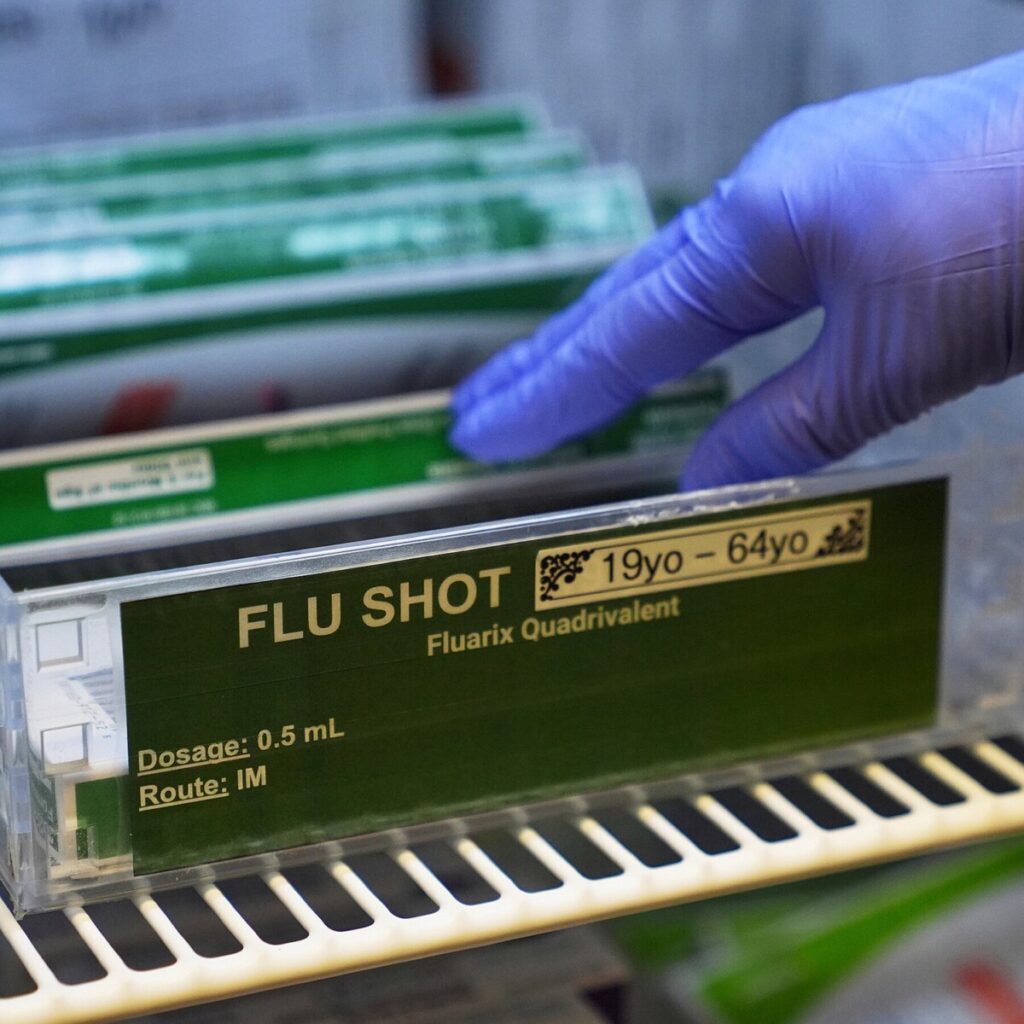
In light of these developments, healthcare providers are urging individuals to seek vaccination as soon as possible, as it remains the most effective way to reduce the risk of severe illness. Additionally, early treatment with antiviral medications can significantly mitigate symptoms for those who do contract the virus. With flu activity on the rise, it is critical for communities to stay informed and proactive in their health measures to navigate what could be a challenging flu season ahead.
Cases of the dominant flu virus this year, H3N2, are rising in 39 states. This virus is known to cause more severe symptoms than the H1N1 virus that was most common last year.


