Read Nvidia’s rebuttal to Michael Burry’s criticism that the AI chip titan has hurt shareholder value
Nvidia is actively responding to criticism from renowned investor Michael Burry, best known for his role in “The Big Short.” In a recent note to analysts, Nvidia directly addressed Burry’s skepticism regarding the company’s stock-based compensation and its implications for shareholder value. Burry had previously stated that Nvidia’s approach had diminished owner’s earnings by 50%, prompting the company to clarify its position. In the memo, Nvidia highlighted that since 2018, it has repurchased $91 billion in shares, not the $112.5 billion Burry claimed, attributing the discrepancy to his inclusion of taxes related to restricted stock units (RSUs). Nvidia emphasized that employee equity grants should not be conflated with the effectiveness of its share repurchase program, arguing that its compensation practices align with industry standards and that rising share prices are not indicative of excessive equity grants.
Burry’s recent critiques extend beyond Nvidia, as he has expressed broader concerns about the sustainability of the AI boom. Following the closure of his hedge fund, Scion Asset Management, to outside investments, he launched a newsletter titled “Cassandra Unchained,” where he continues to voice his reservations. In a subsequent post on social media, Burry acknowledged Nvidia’s rebuttal but reaffirmed his stance, indicating that a comprehensive analysis would be shared in due course. The situation highlights the tension between Nvidia and skeptics like Burry, particularly as the stock market’s AI trade faces challenges, including fears over inflated valuations and the potential depreciation of high-end GPUs essential for AI training. Nvidia’s memo also dismissed comparisons to historical accounting frauds, asserting that its financial practices are sound and transparent, and reiterated that its strategic investments represent a minor portion of its revenue, primarily stemming from third-party customers rather than from Nvidia itself.
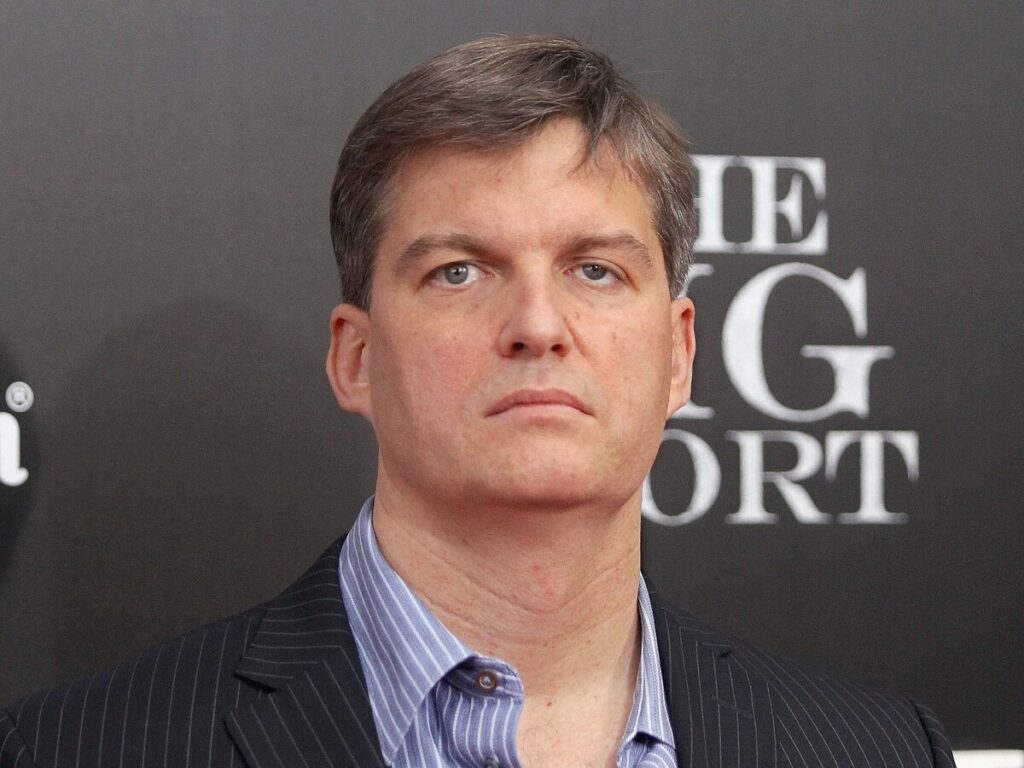
Michael Burry
Jim Spellman/WireImage
Nvidia is responding to recent criticism from investor Michael Burry of “The Big Short” fame.
The company sent a note to analysts that directly named Burry.
Burry has recently been critical of Nvidia and voiced skepticism over the AI boom.
Nvidia is pushing back after investor
Michael Burry
of “The Big Short” fame took aim at the company.
A note Nvidia sent to a Wall Street analyst, a copy of which was obtained by Business Insider, addresses a spate of recent criticisms and claims made about the company and names Burry directly. It specifically cited an
X post
Burry made last week that said Nvidia’s stock-based compensation had hurt shareholder value, “reducing owner’s earnings by 50%.”
The memo offered this direct response to Burry’s claims:
“Nvidia repurchased $91B shares since 2018, not $112.5B; Mr. Burry appears to have incorrectly included RSU taxes. Employee equity grants should not be conflated with the performance of the repurchase program. Nvidia’s employee compensation is consistent with that of peers. Employees benefiting from a rising share price does not indicate the original equity grants were excessive at the time of issuance.”
Burry has recently gained attention online for going after the AI giant and expressing
skepticism about the sustainability of the AI boom
. He recently closed his hedge fund, Scion Asset Management, to outside cash, and launched a newsletter.
He continued his criticism of Nvidia in the first blog posted to his new Substack, ”
Cassandra Unchained
,” which launched on Sunday.
In an
X post
on Monday, Burry acknowledged Nvidia pushing back on his arguments in the memo to analysts, adding, “I stand by my analysis. Obviously, the full analysis does not fit in a tweet. I will release on my timeline.”
The Nvidia memo, which was previously reported by Barron’s, also addressed several other claims recently made about the AI boom, including comparisons to “historical accounting frauds” such as Enron, WorldCom, and Lucent.
“Nvidia does not resemble historical accounting frauds because Nvidia’s underlying business is economically sound, our reporting is complete and transparent, and we care about our reputation for integrity,” the memo said.
Nvidia, in the memo, also responded to criticisms about circular financing between the AI companies.
“First, Nvidia’s strategic investments represent a small share of Nvidia’s revenue and an even smaller share of approximately $1T raised each year across global private capital markets,” the memo said, adding, “The companies in Nvidia’s strategic investment portfolio predominantly generate revenue from third-party customers, not from Nvidia.”
Nvidia declined to comment.
The stock market’s AI trade has stumbled in recent weeks, with declines in the most popular momentum names being driven by investors’ concerns about valuations, circular dealmaking, and worries about
depreciation of high-end GPUs
like the ones Nvidia makes to train AI models.
Read the original article on
Business Insider


