Early Signs Point to a Harsh Flu Season in the U.S.
As flu season ramps up, health officials are sounding the alarm over a notable increase in cases of the H3N2 influenza virus, which is currently spreading across 39 states in the United States. Unlike last year’s predominant strain, H1N1, which typically resulted in milder symptoms, H3N2 is associated with more severe illness and complications, particularly among vulnerable populations such as the elderly, young children, and individuals with underlying health conditions. This year’s flu season is shaping up to be particularly concerning, as H3N2 is notorious for its ability to mutate and evade immunity, making it a formidable adversary in the fight against influenza.
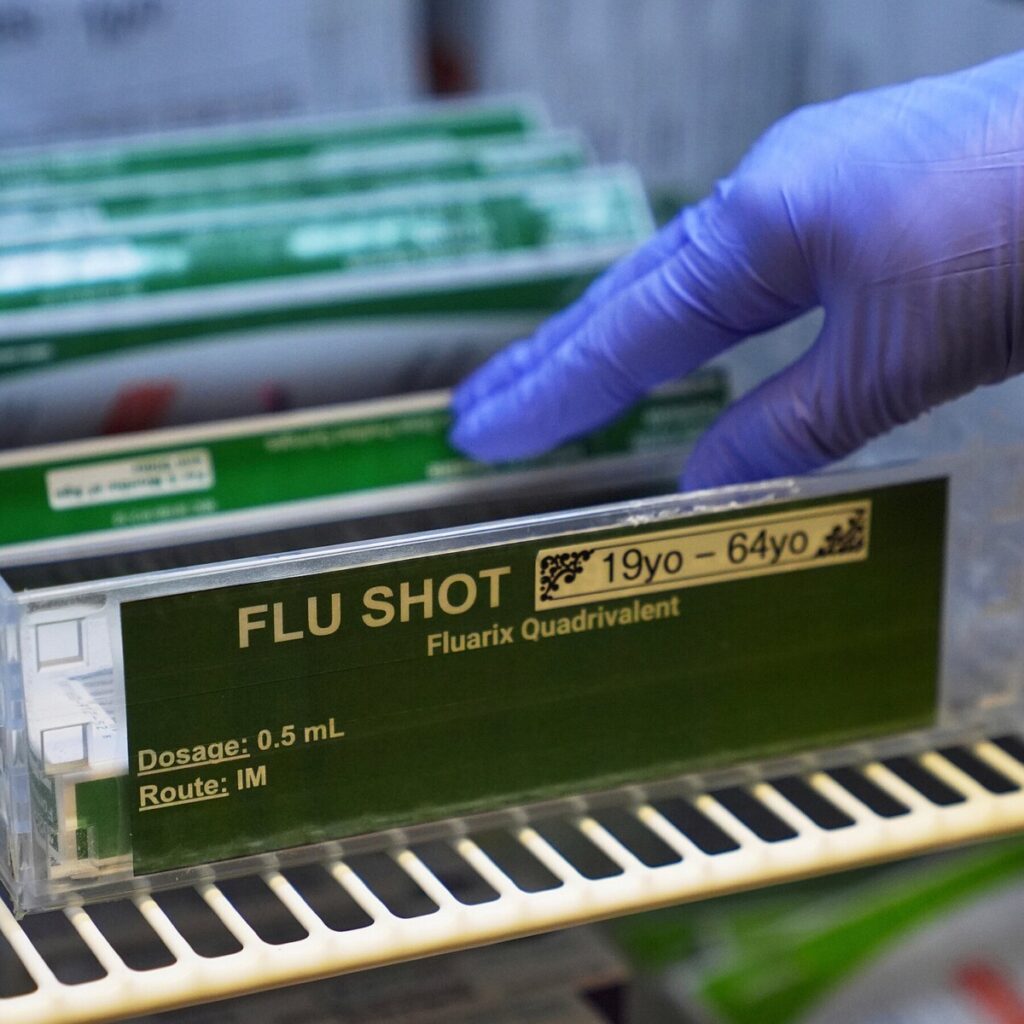
The Centers for Disease Control and Prevention (CDC) has reported a significant uptick in hospitalizations related to H3N2, with many patients presenting with symptoms that include high fever, severe cough, and respiratory distress. In some regions, hospitals are already experiencing increased patient loads, prompting concerns about the capacity to manage both flu cases and potential COVID-19 infections. Health experts are advising the public to take preventive measures seriously, including getting vaccinated, practicing good hygiene, and staying home when feeling unwell. Vaccination remains the most effective tool in reducing the severity of flu symptoms and preventing hospitalizations, yet health authorities are urging those who have not yet received their flu shot to do so promptly, as the season continues to unfold.
In addition to vaccination, public health campaigns are emphasizing the importance of awareness and preparedness this flu season. Communities are encouraged to maintain vigilance, especially in crowded settings where the virus can spread rapidly. The CDC has also noted that antiviral medications can be effective if administered early in the course of the illness, underscoring the importance of seeking medical attention promptly. With the dual threat of H3N2 and lingering COVID-19 concerns, this flu season highlights the critical need for public health interventions and individual responsibility to mitigate the impact of respiratory viruses. As we navigate this challenging season, staying informed and proactive can help safeguard our health and the health of those around us.
Cases of the dominant flu virus this year, H3N2, are rising in 39 states. This virus is known to cause more severe symptoms than the H1N1 virus that was most common last year.


