Trump appoints two Commerce officials to oversee U.S. Steel under ‘golden share’ agreement
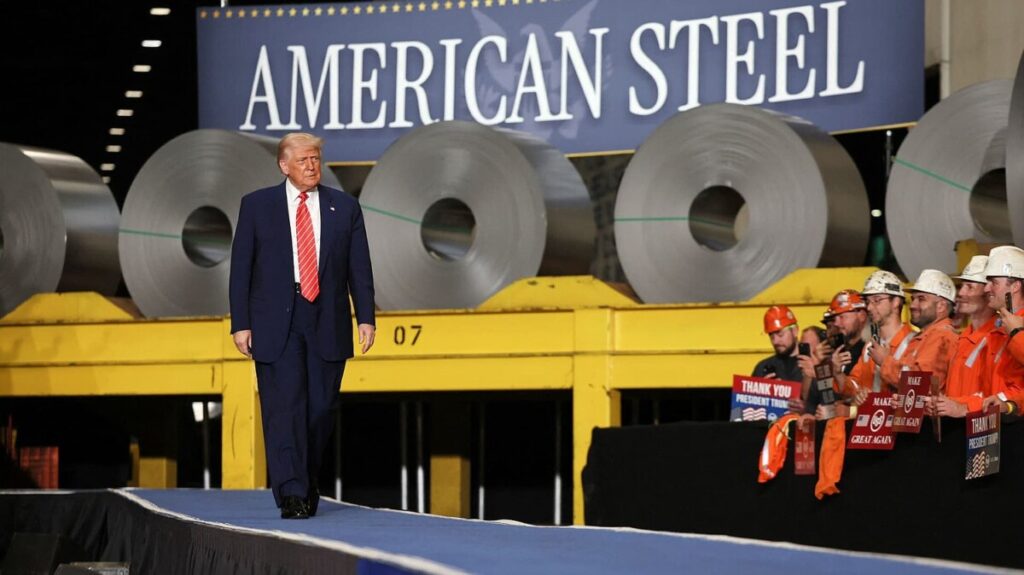
In June, President Donald Trump approved the contentious acquisition of U.S. Steel by the Japanese conglomerate Nippon Steel, a move that has sparked considerable debate within the business and political arenas. This acquisition is significant not only for the steel industry but also for the broader implications it holds for U.S. manufacturing and national security. The approval comes with a unique twist: Trump secured veto rights over critical business decisions, allowing the U.S. government to maintain a level of oversight and influence over Nippon Steel’s operations in America. This unprecedented arrangement raises questions about the balance between foreign investment and national interests, particularly in industries deemed vital to the country’s economy.
The deal, valued at approximately $3 billion, is poised to reshape the landscape of the American steel market. U.S. Steel, a historic player in the industry, has faced significant challenges in recent years, including rising competition from foreign producers and fluctuating demand. Nippon Steel, one of the largest steel manufacturers globally, brings substantial resources and expertise to the table, which could potentially revitalize U.S. Steel’s operations. However, critics argue that such foreign control over a major American manufacturer could jeopardize jobs and undermine domestic capabilities, especially in a sector that has been a cornerstone of American industrial strength. The arrangement also reflects Trump’s broader economic strategy, which emphasizes protecting American jobs and industries from foreign competition while navigating the complexities of globalization.
As the acquisition progresses, stakeholders are closely monitoring its impact on both U.S. Steel’s workforce and the wider steel industry. Proponents of the deal believe that Nippon Steel’s investment could lead to modernization and increased efficiency, ultimately benefiting American consumers. On the other hand, labor unions and economic watchdogs express concerns over potential job losses and the risk of prioritizing shareholder profits over local employment. The outcome of this acquisition could set a precedent for future foreign investments in critical sectors and will likely influence ongoing discussions about trade policies and national security in the context of global commerce.
President Donald Trump approved U.S. Steel’s controversial acquisition by Nippon in June after securing veto rights over key business decisions.