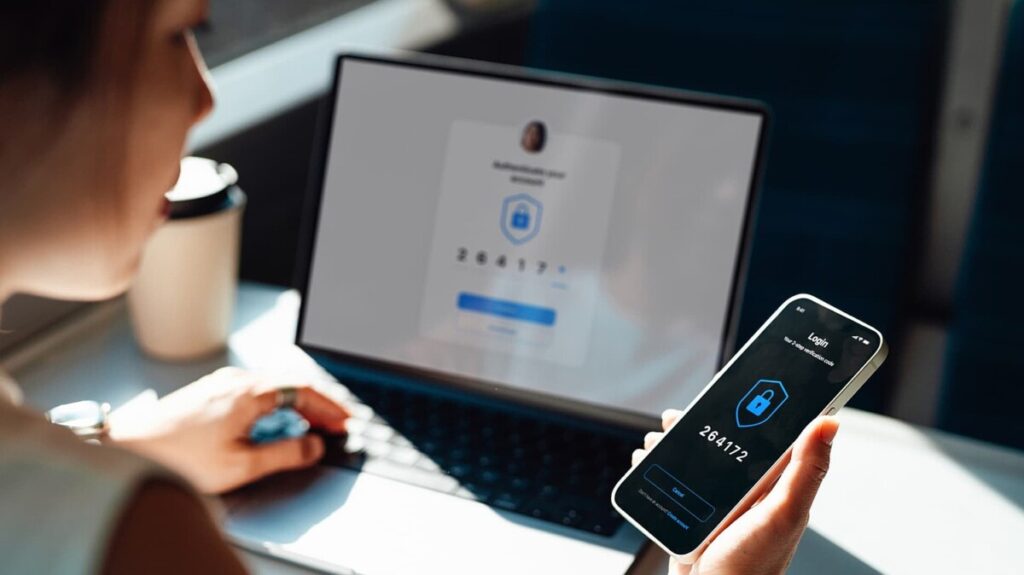
More companies are shifting workers to passwordless authentication
In an era where digital security is paramount, both employees and business leaders are expressing growing fatigue over the traditional use of passwords for device access. As cyber threats become more sophisticated, the cumbersome nature of password management has led many organizations to seek alternative security measures. In response to this widespread dissatisfaction, a notable trend is emerging: companies are increasingly opting to eliminate passwords altogether, paving the way for a new era of cybersecurity that prioritizes user convenience without sacrificing safety.
One of the most significant advancements in this shift is the adoption of biometric authentication methods, such as fingerprint scanning and facial recognition. These technologies offer a seamless user experience while enhancing security protocols. For instance, companies like Microsoft and Google have begun implementing passwordless sign-ins that rely on biometrics or security keys, reducing the risk of phishing attacks and unauthorized access. According to a recent study, organizations that have adopted passwordless solutions have reported a dramatic decrease in security incidents, illustrating that the move away from traditional passwords not only alleviates user frustration but also fortifies overall cybersecurity.
Moreover, the transition to passwordless systems aligns with the growing emphasis on employee productivity and satisfaction. As remote and hybrid work models become the norm, the need for quick and efficient access to devices and applications is more critical than ever. By eliminating the need for complex passwords, businesses are not only streamlining workflows but also fostering a culture of trust and empowerment among employees. The trend towards passwordless authentication reflects a broader understanding that effective cybersecurity must balance security needs with user experience, ultimately leading to a more secure and productive workplace. As more organizations embrace this innovative approach, the future of cybersecurity looks promising, with a focus on convenience, efficiency, and enhanced protection against evolving cyber threats.
Both workers and business leaders are tired of device passwords. More companies are doing away with them and, in the process, improving cybersecurity.