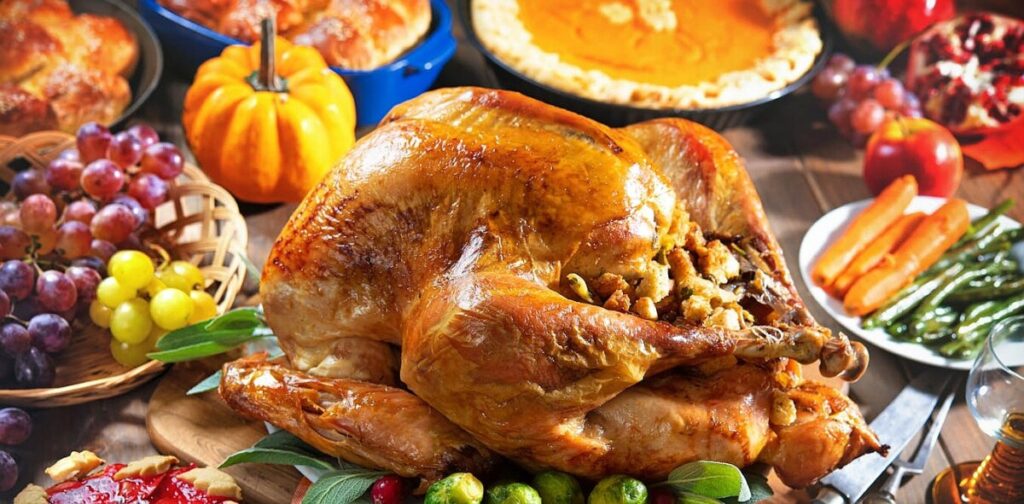
Don’t let food poisoning crash your Thanksgiving dinner
Thanksgiving is a cherished time for family gatherings and festive feasts, but it also comes with its own set of food safety challenges that can lead to foodborne illnesses. According to the Centers for Disease Control and Prevention (CDC), approximately 48 million Americans, or 1 in 6 people, fall ill from foodborne pathogens each year, with holiday meals posing significant risks. The joy of serving large quantities of food, often buffet-style, provides ample opportunities for bacteria to proliferate. Undercooked turkey, in particular, is a leading culprit, harboring harmful bacteria such as Salmonella and Clostridium perfringens, which can lead to serious health issues. Each year, around 3,000 deaths are attributed to foodborne illnesses, underscoring the importance of safe food handling practices during this festive season.
To ensure a safe Thanksgiving, it is crucial to adopt proper food preparation techniques. One of the most common misconceptions is that washing raw turkey can eliminate bacteria; however, this practice can actually spread harmful microbes around the kitchen. Federal food safety agencies have advised against washing poultry since 2005, yet surveys show that a significant percentage of people still rinse their turkeys, often due to outdated recipes or family traditions. Instead, food safety experts recommend cooking turkey to an internal temperature of at least 165°F, using a meat thermometer for accuracy. Additionally, stuffing should be prepared immediately before cooking to avoid bacterial growth overnight, and leftovers must be stored and reheated correctly to prevent illness.
Incorporating simple yet effective food safety measures can transform your Thanksgiving into a joyful and healthy celebration. Regular handwashing, safe thawing methods, and avoiding cross-contamination are vital steps that can significantly reduce the risk of foodborne illnesses. Serving food at appropriate temperatures and keeping buffet-style servings within a two-hour window are also essential practices to keep bacteria at bay. By educating guests on these safety tips and being mindful of food expiration dates, you can create a festive atmosphere that prioritizes health and well-being. This Thanksgiving, let gratitude fill your heart, not gastrointestinal distress, by following these guidelines to ensure a safe and enjoyable holiday feast.
Undercooked turkey is a leading cause of foodborne illness on Thanksgiving.
AlexRaths/iStock via Getty Images Plus
Thanksgiving is a time for family, friends and feasting. However, amid the joy of gathering and indulging in delicious food, it is essential to keep food safety in mind. Foodborne illnesses can quickly put a damper on your celebrations.
As an
immunologist and infectious disease specialist
, I study how germs spread – and how to prevent them from doing so. In my courses, I teach my students how to reduce microbial risks, including those tied to activities such as hosting a big Thanksgiving gathering, without becoming germophobes.
Foodborne illnesses sicken 48 million Americans –
1 in 6 people
– each year. Holiday meals such as Thanksgiving pose special risks because these spreads often involve large quantities, long prep times, buffet-style serving and mingling guests. Such conditions create many opportunities for germs to spread.
This, in turn, invites a slew of microbial guests such as
Salmonella
and
Clostridium perfringens
. Most people recover from infections with foodborne bacteria, but each year
around 3,000 Americans die
from the illnesses they cause. More routinely, these bugs can cause nausea, vomiting, stomach cramps and diarrhea within hours to a couple of days after being consumed – which are no fun at a holiday celebration.
Foods most likely to cause holiday illness
Most foodborne illnesses come from raw or undercooked food and foods left in the so-called danger zone of cooking temperature – 40 degrees to 140 degrees Fahrenheit – in which bacteria multiply rapidly. Large-batch cooking without proper reheating or storage as well as cross contamination of foods during preparation can also cause disease.
Put that bird right in the oven as soon as you’ve stuffed it to keep bacteria from multiplying inside.
kajakiki/E+ via Getty Images
Not all dishes pose the same risk. Turkey can harbor
Salmonella
,
Campylobacter
and
Clostridium perfringens
.
Undercooked turkey remains a leading cause
of Thanksgiving-related illness. Raw turkey drippings can also easily spread bacteria onto hands, utensils and counters. And don’t forget the stuffing inside the bird. While the turkey may reach a safe internal temperature, the stuffing often does not, making it a higher-risk dish.
Leftovers stored too long, reheated improperly or cooled slowly also bring hazards. If large pieces of roasted turkey aren’t divided and cooled quickly, any
Clostridium perfringens
they contain might have time to produce toxins. This increases the risk of getting sick from snacking on leftovers – even reheated leftovers, since
these toxins are not killed by heat
.
Indeed, each November and December
outbreaks involving this bacterium spike
, often due to encounters with turkey and roast beef leftovers.
Don’t wash the turkey!
Washing anything makes it cleaner and safer, right? Not necessarily.
Many people think washing their turkey will remove bacteria. However, it’s pretty much impossible to wash bacteria off a raw bird, and attempting to do so actually increases cross contamination and your risk of foodborne illness.
Since 2005, federal food safety agencies
have advised against washing turkey or chicken
. Despite this, a 2020 survey found that 78% of people still reported rinsing their turkey before cooking – often because older recipes or family habits encourage it.
When you rinse raw poultry, water can splash harmful bacteria around your kitchen, contaminating counter tops, utensils and nearby foods. If you do choose to wash turkey, it’s critical to immediately clean and disinfect the sink and surrounding area. A 2019 USDA study found that 60% of people who
washed their poultry had bacteria in their sink
afterward – and 14% had bacteria in the sink even after cleaning it.
A few food prep precautions can help keep the holiday free of gastrointestinal distress.
Drazen Zigic/iStock via Getty Images Plus
Food prep tips for a safe and healthy Thanksgiving
Wash your hands regularly.
Before cooking and after touching raw meat, poultry or eggs, wash your hands thoroughly with soap and water for
at least 20 seconds
. Improper handwashing by people handling food is a
major source of bacterial contamination
with
Staphylococcus aureus
. This bacterium’s toxins are hard to break down, even after cooking or reheating.
Thaw turkey safely.
The
safest way to thaw a turkey
is in the refrigerator. Allow 24 hours per 4-5 pounds. There’s also a faster method, which involves
submerging the turkey in cold water
and changing the water every 30 minutes – but it’s not as safe because it requires constant attention to ensure the water temperature stays below 40 F in order to prevent swift bacteria growth.
Stuff your turkey immediately before cooking it.
Stuffing the turkey the night before is risky because it allows bacteria in the stuffing to multiply overnight. The toxins produced by those bacteria do not break down upon cooking, and the interior of the stuffing may not get hot enough to kill those bacteria. The
USDA specifically warns against prestuffing
. So
cook stuffing separately
, if possible, or if you prefer it inside the bird, stuff immediately before roasting, making sure it reaches 165 F.
Cook food to the right temperature.
A thermometer is your best friend – use it to ensure
turkey and stuffing both reach 165 F
. Check
casseroles and other dishes
too. It’s best not to rely on an
internal pop-up thermometer
, since they can be inaccurate, imprecise and could even malfunction.
Avoid cross contamination.
Use separate cutting boards for raw meat, vegetables and bread. Change utensils and plates after handling raw meat before using them for cooked foods.
Keep food at safe temperatures.
Serve hot foods immediately
, and make sure hot foods are served above 140 F and cold dishes below 40 F to keep them out of the microbial danger zone.
Be cautious with buffet-style serving.
Limit food time on the table to two hours or less – longer than that, any bacteria present can
double every 20 minutes
. Provide dedicated serving utensils, and avoid letting guests serve with utensils they have eaten from.
Be mindful of expiration dates.
Don’t forget to check dates on food items to make sure that what you are serving isn’t expired or left from last Thanksgiving.
Educate guests on food safety.
Remind guests to wash their hands before preparing or serving food, and politely discourage double-dipping or tasting directly from communal dishes.
Thanksgiving should be a time of gratitude, not gastrointestinal distress. By following these simple food safety tips, you can help ensure a safe and healthy holiday.
Lisa Cuchara does not work for, consult, own shares in or receive funding from any company or organization that would benefit from this article, and has disclosed no relevant affiliations beyond their academic appointment.


