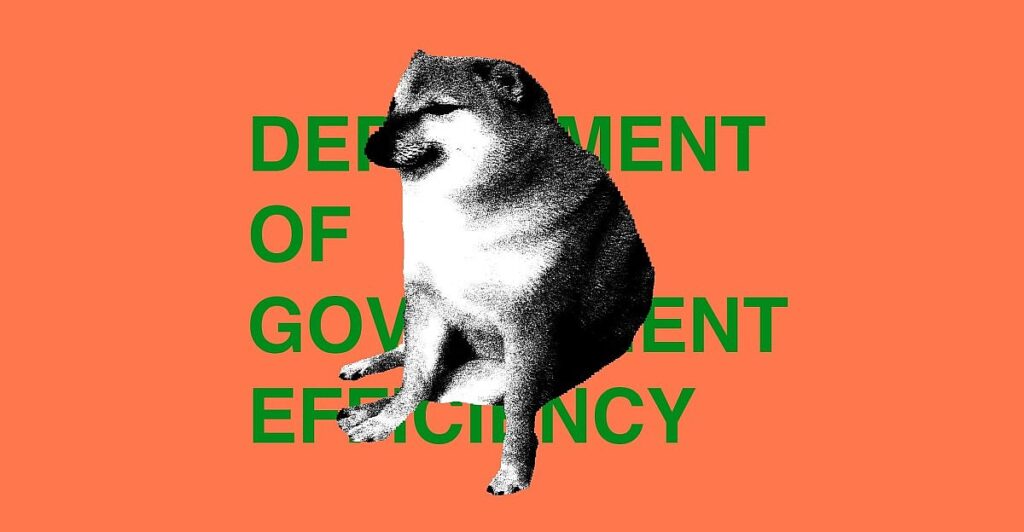
DOGE is no more, and in its wake, only chaos
In a dramatic turn of events, Elon Musk’s tenure as head of the Department of Government Efficiency (DOGE) has come to an abrupt end, with the agency reportedly dissolving just eight months before its charter was set to expire. Musk’s departure from Washington, D.C. began in earnest in April and culminated in a farewell from the White House on May 30, marking a swift retreat from a position that was rife with controversy and conflict. His aggressive management style, which included slashing budgets and making sweeping changes, alienated many within the government, including key figures like Secretary of State Marco Rubio and Transportation Secretary Sean Duffy. Tensions peaked during a minor physical altercation with Treasury Secretary Scott Bessent, showcasing the contentious nature of Musk’s time in D.C.
The fallout from Musk’s leadership was swift and severe, leading to a power vacuum within DOGE that his right-hand man, Steve Davis, attempted to fill. Despite his long-standing relationship with Musk, Davis faced significant pushback from DOGE staffers who were uncomfortable with his unilateral approach to leadership. This division within the agency led to accusations of a coup and ultimately resulted in the White House intervening to root out Davis’s loyalists. The instability that followed saw multiple restructurings and leadership changes, culminating in the dissolution of DOGE, as confirmed by a White House spokesperson who stated, “that doesn’t exist.” Ironically, while Musk entered D.C. with ambitious plans to cut government spending, his tenure saw an increase in expenditures, leaving behind a legacy of burned bridges and an agency that failed to achieve its foundational goals. As the dust settles, the implications of Musk’s brief yet tumultuous leadership will likely be felt for some time within the corridors of power in Washington.
https://www.youtube.com/watch?v=lbh__x9jExs
In April, Elon Musk began
backing away
from his role as head of DOGE. By June, he was more or less fully
gone from DC
. In his wake, he left a
power vacuum
and significant ill will that has apparently led to the
dissolution of DOGE
eight months before its charter expires.
To call Musk’s DC tenure contentious would be an understatement. As a man accustomed to getting what he wants and functioning as a powerful executive, he swept through Washington with a figurative chainsaw, slashing budgets, firing workers, and making audacious power grabs. Musk’s brash behavior angered government employees and
alienated would-be allies
, like Secretary of State Marco Rubio and Transportation Secretary Sean Duffy. Eventually, the bad blood reached a fever pitch, and Musk had a minor
physical altercation
with Treasury Secretary Scott Bessent.
Politico
details the stunning fallout. By late May,
DOGE
and Musk had lost favor with President Trump, and White House aides began pushing back more forcefully against the fledgling government agency. When Musk was officially given a farewell by the White House on
May 30th
, it also pushed out his right-hand man, Steve Davis.
But Davis, an engineer who had worked closely with Musk for over 20 years, including at DOGE, simply refused to leave. He stepped in to try and take the reins, but this didn’t sit well with many of the remaining DOGE staffers. But others remained loyal, essentially splitting the department in two.
When those uncomfortable with Davis’ leadership, given that he was no longer a government employee, tried to plan for DOGE’s future without him, Davis accused them of staging a coup. The White House quickly rooted out his loyalists, putting an end to Davis’ brief attempt to consolidate control in less than two weeks.
What followed was a series of restructurings, changes in leadership, and ultimately, the end of DOGE as a centralized organization. When
Reuters
reached out to the White House to ask about the status of DOGE earlier this month, it was told, “that doesn’t exist.”
Musk rode into Washington with big ambitions of slashing government spending by trillions of dollars. Instead, during his brief time in DC, government spending actually
increased
, and he left behind many burned bridges.