Study Analyzes How Much ‘Macro’ Plastic Is Deadly to Sea Life
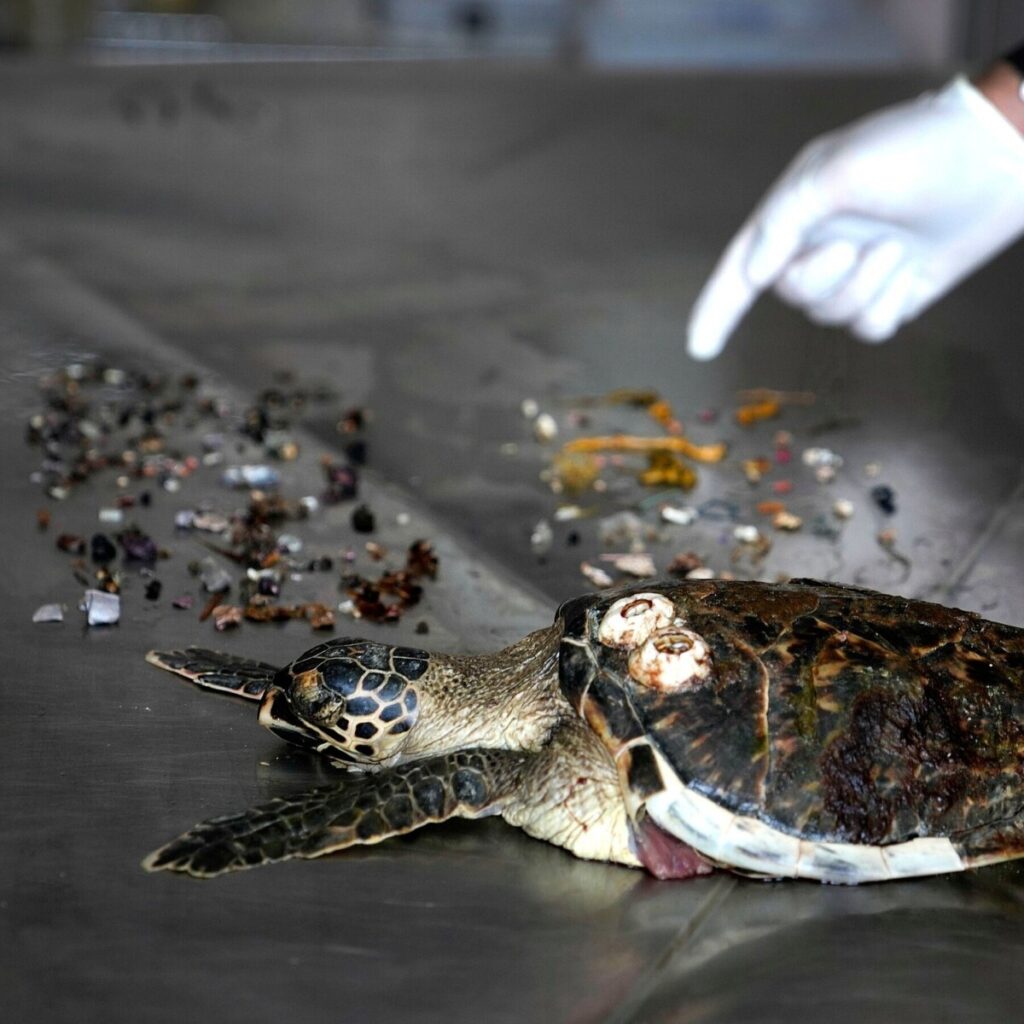
In a striking reminder of the ongoing environmental crisis, an autopsy conducted on a Hawksbill sea turtle in a laboratory in the United Arab Emirates revealed a troubling amount of plastic waste in its stomach. This incident highlights the dire consequences of ocean pollution on marine life, particularly for vulnerable species like the Hawksbill turtle, which is critically endangered. The autopsy, part of a broader research initiative aimed at understanding the impact of plastic pollution on marine ecosystems, uncovered not only the vast quantities of plastic but also other harmful debris that the turtle had ingested. This finding serves as a sobering indicator of the increasing levels of plastic waste in our oceans, which is estimated to cause the deaths of over a million marine animals each year.
The Hawksbill turtle, known for its beautiful shell and critical role in marine ecosystems, faces numerous threats, including habitat loss, illegal trade, and, increasingly, the ingestion of plastic. The presence of plastic in the turtle’s stomach raises alarming questions about the health of marine environments and the food chain. For instance, when turtles consume plastic, it can lead to severe internal injuries, malnutrition, and even death. Moreover, the toxins associated with plastic can accumulate in the bodies of these animals, posing risks not only to them but also to the predators that consume them, including humans. This incident underscores the urgent need for global action to reduce plastic pollution, enhance waste management practices, and protect marine habitats.
As awareness of the plastic crisis grows, initiatives aimed at cleaning up oceans and reducing plastic use are gaining momentum. Organizations worldwide are advocating for stronger regulations on plastic production and promoting alternatives to single-use plastics. Additionally, educational campaigns are crucial in raising public awareness about the impact of plastic waste on marine life. The heartbreaking fate of this Hawksbill turtle serves as a poignant reminder of the interconnectedness of human activity and marine health, urging all of us to reconsider our relationship with plastic and take meaningful steps to protect our planet’s precious ecosystems.
An autopsied Hawksbill sea turtle in a lab in the United Arab Emirates. Lying beside the turtle are items removed from its stomach, including a large amount of plastic.


