SNAP benefits have been cut and disrupted – causing more kids to go without enough healthy food and harming child development
Food insecurity poses a significant threat to the health and well-being of millions of American children, with approximately 40% of the 42 million individuals receiving Supplemental Nutrition Assistance Program (SNAP) benefits being under the age of 18. This critical food assistance program plays a vital role in enabling families to purchase nutritious groceries, which is essential for children’s physical and mental health. As a developmental psychologist, I have studied the profound impact of stress and nutrition on children’s health, and I am particularly concerned about the potential repercussions of the anticipated disruptions to SNAP benefits due to the 2025 government shutdown and cuts included in recent tax-and-spending legislation. These changes could exacerbate food insecurity, leading to increased stress levels in children and limiting their access to healthy diets.
Research has consistently shown that food insecurity can have detrimental effects on children’s health, even before they are born. For instance, studies indicate that food insecurity during pregnancy is linked to complications such as premature births and gestational diabetes. Furthermore, children who experience food insecurity face a higher risk of developing chronic health conditions, including obesity, asthma, and mental health issues such as anxiety and depression. A study from Northwestern and Princeton universities revealed that childhood food insecurity is associated with increased cardiovascular risks in adulthood, although SNAP benefits can mitigate these risks. The correlation between food insecurity and poor academic performance, behavioral problems, and nutrient deficiencies underscores the urgent need for comprehensive support for families facing these challenges.
Even in normal circumstances, SNAP benefits often fall short of covering the full cost of a nutritious diet, forcing many families to rely on food banks and pantries. Anecdotal evidence from grocery store owners illustrates the struggles families face, with many rushing to purchase food immediately after receiving their SNAP benefits. As we look toward the future, it is crucial to address the systemic issues contributing to food insecurity and advocate for policies that ensure all families have access to the nutritious food necessary for their children’s health and development. The potential consequences of failing to do so are dire, not only for the children affected but for society as a whole.
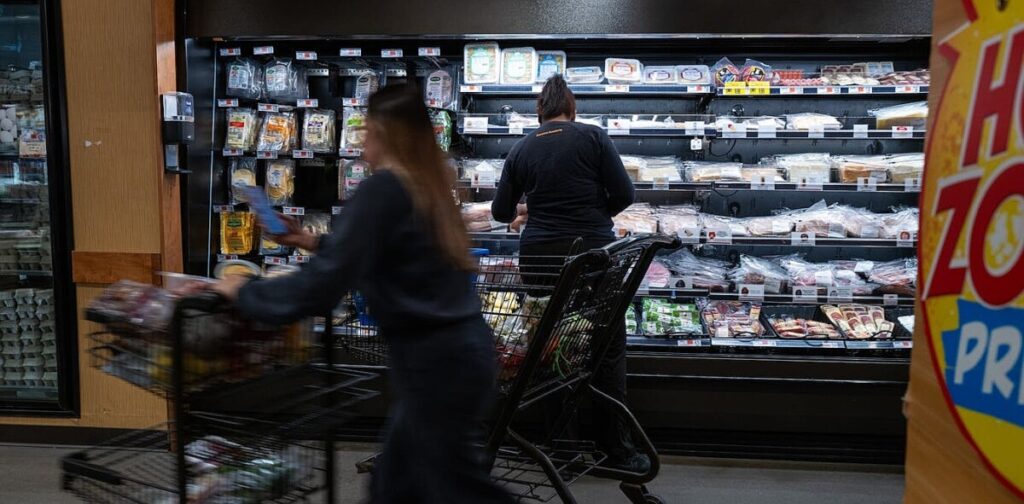
Being able to buy nutritious groceries is essential for your family’s health.
Spencer Platt/Getty Images
About
4 in 10 of the more than 42 million Americans
who get Supplemental Nutrition Assistance Program benefits are children under 18. This food aid helps their families buy groceries and boosts their health in many ways – both during childhood and once they’re adults.
I am a
developmental psychologist
who studies how stress and nutrition affect kids’ mental and physical health during childhood, and how those effects continue once they become adults.
Researchers like me are worried that the
SNAP benefits disruption caused by the 2025 government shutdown
and the
SNAP cuts included in the big tax-and-spending package
President Donald Trump signed into law on July 4 will make even more children experience high levels of stress and will prevent millions of kids from accessing a steady diet of nutritious food.
Food insecurity can harm kids – even before they’re born
Food insecurity
is the technical term for when people lack consistent access to enough nutritious food.
In childhood, it’s associated with
having worse physical health
than most people, including an elevated risk of getting
asthma and other chronic illnesses
.
It is also tied to a
higher risk of child obesity
. It seems counterintuitive that lower food access is associated with greater obesity risk. One explanation is that not having
access to enough nutritious food
may lead people to eat a higher-fat, higher-sugar diet that includes food that’s cheap and filling but may cause them to gain weight.
Even
temporary disruptions to the disbursement of SNAP benefits
can harm American kids. While the effects of brief food shortages can be hard to measure, a study on a
temporary food shortage in Kenya
suggests that even short-term food shortages can influence both parents and their kids for a long time.
And SNAP spending cuts, including those in what Trump called his “big beautiful bill,” are
bound to hurt many children
whose families were relying on SNAP to get enough to eat and are now losing their benefits.
A study by researchers from Northwestern and Princeton universities, published in 2025, followed more than 1,000 U.S. children into adulthood. It showed that food insecurity in early childhood predicted
higher cardiovascular risks in adulthood
. But those researchers also found that SNAP benefits could reduce cardiovascular risks later in life for kids facing food insecurity.
Food insecurity in pregnancy is dangerous too, and
not just for mothers
. It also
poses risks to their babies
.
Another study published in 2025 reviewed the medical records of over 19,000 pregnant U.S. women. It found that pregnant women who experience food insecurity are more likely to
have pregnancy-related complications
, such as giving birth weeks or months before their due date, developing gestational diabetes or spending extra time in the hospital, with their baby requiring a stay in a neonatal intensive care unit.
This same study found that when pregnant women received SNAP benefits and other forms of government food assistance, they were
largely protected from these
risks tied to food insecurity.
Food insecurity harms children’s mental health
A 2021 analysis of more than 100,000 U.S. children led by researchers at the University of California, Berkeley, and Kaiser Permanente showed that when kids experienced food insecurity sometimes or often in a 12-month period, they ran a
50% greater risk
of anxiety or depression compared to kids who didn’t.
Food insecurity in childhood is also associated with more
behavior problems
and worse
academic performance
. These mental health, academic and behavioral problems in childhood can put people on a path toward poorer health and fewer job opportunities later on.
Children and babies experiencing food insecurity are more likely to
have nutrient deficiencies
, including insufficient iron. A review of decades of research that I participated in found that iron deficiency during infancy and early childhood, when the brain is developing quickly,
can cause lasting harm
.
Other research projects I’ve taken part in have found that iron deficiency in infancy is associated with
cognitive deficits, not getting a high school diploma or going to college
, and
mental health problems
later on.
Food insecurity is often one of many sources of stress kids face
If a child is experiencing food insecurity, they are often dealing with other types of stress at the same time. Food insecurity is more common for children
experiencing poverty
and
homelessness
. It’s also common for kids with
little access to health care
.
Research from the research group I lead as well as other researchers have found that experiencing multiple sources of stress in childhood can harm
mental and physical health
, including how
bodies manage stress
. These different sources of
stress often pile up
, contributing to health problems.
Parents experiencing food insecurity often get stressed out because they’re scrambling to get enough food for their children. And when
parents are stressed
they become more
susceptible to mental health problems
, and may become more likely to lose their tempers or
be physically aggressive
with their kids.
In turn, when parents are stressed out, have mental health problems or develop harsh parenting styles, it’s bad for their kids.
SNAP falls short, even in normal times
To be sure, even before the
2025 government shutdown disrupted SNAP funding
, its benefits
didn’t cover the full cost
of feeding most families.
Because they
fell short of what was necessary to prevent
food insecurity, many families with SNAP benefits needed to regularly visit food pantries and food banks – especially toward the end of the month once their benefits had been spent.
A grocer in my rural hometown in South Dakota
posted on Facebook in November 2025
about the effects of food insecurity on families that he regularly sees. He explained that he keeps his stores open after midnight on SNAP disbursement days. Many of his customers, he said, are in a rush to get their “first real food in days.”
Jenalee Doom receives research funding from the National Institutes of Health.


