Ornella Vanoni, ‘The Lady of Italian Song,’ Dies at 91
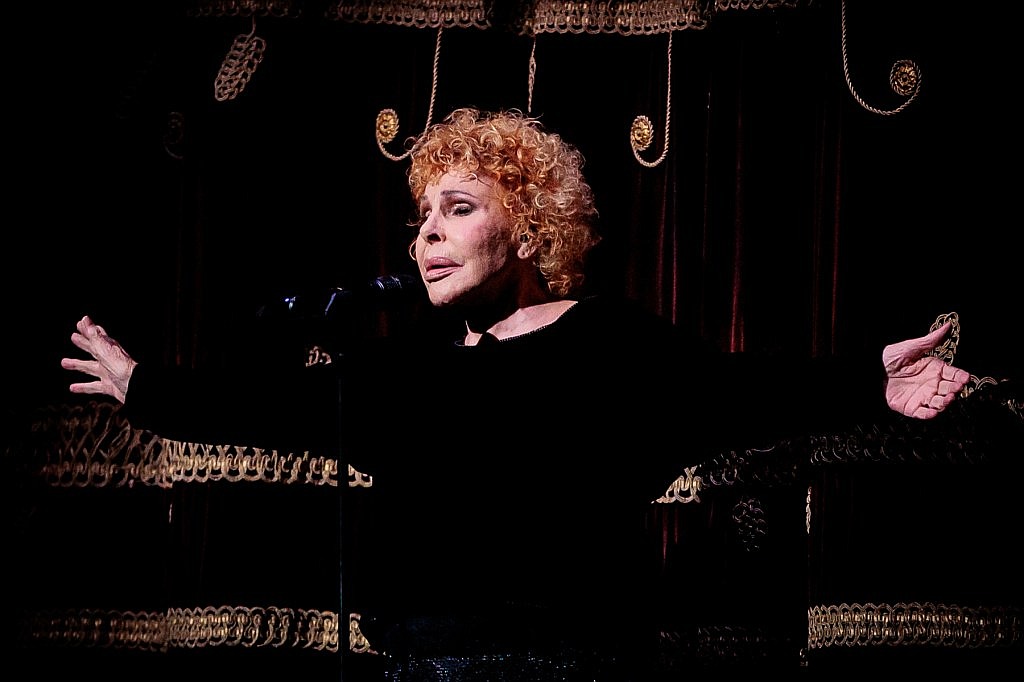
Ornella Vanoni, a cherished figure in the Italian music scene, has passed away at the age of 91, leaving behind a remarkable legacy that spanned over seven decades. Known for her enchanting voice and sophisticated style, Vanoni was a prolific artist who recorded more than 100 albums, selling over 55 million copies worldwide. Her iconic songs, including “Senza Fine” and “L’appuntamento,” resonated with audiences across generations, earning her the affectionate title of “The Lady of Italian Song.” Italian Prime Minister Giorgia Meloni expressed profound sorrow over her passing, acknowledging Vanoni’s unique contribution to Italian culture and her unrepeatable artistic heritage. She died of cardiac arrest in her Milan home, as reported by Italian newspaper La Stampa.
Born in Milan in 1937, Vanoni initially pursued a career in theater, even gracing the Broadway stage in 1964. However, her passion for music soon took center stage. Her collaborations with renowned artists, including the legendary Gino Paoli, who penned her breakout hit “Senza Fine” in 1961, marked the beginning of her international acclaim. Vanoni’s artistic journey was enriched by her partnerships with jazz luminaries like Gil Evans, Herbie Hancock, and George Benson. She was a regular at the prestigious Sanremo Music Festival, where she earned second place in 1968 with “Casa Bianca.” Her songwriting prowess was recognized with two Tenco Awards, making her the only Italian artist to achieve this honor twice. In her later years, Vanoni remained a beloved figure on television, captivating audiences with her candid anecdotes and unpredictable charm, further cementing her status as a cultural icon in Italy.
https://www.youtube.com/watch?v=lpdSAVxuY0M
Ornella Vanoni, a beloved performer who had a seven decade-long singing career with such international hits as “Senza Fine” and “L’appuntamento,” has died. She was 91.
Related
Gone But Not Forgotten: Musicians We Lost in 2025
Paola Jara & Jessi Uribe Welcome Baby Girl & More Uplifting Moments in Latin Music
Olivia Dean Calls Out Ticketing Companies Over High Resale Prices
In a
post on X
Saturday, Italian Prime Minister Giorgia Meloni expressed her deep sorrow for the loss of Vanoni, whose “unmistakable voice” left an imprint on Italian culture for generations. “Italy loses a unique artist who leaves us with an unrepeatable artistic heritage,” Meloni said.
Vanoni died of cardiac arrest at her Milan home, Italian newspaper
La Stampa
reported.
Vanoni recorded more than 100 albums with sales of over 55 million copies, vaulting her to iconic status among generations of fans and earning her the moniker “The Lady of Italian Song,” according to
LaPresse
newspaper.
Born in Milan in 1937, Vanoni’s first love was the theater, which culminated with performances on the Broadway stage in 1964. But her passion for music combined with what
LaPresse
described as a “highly personal and sophisticated performing style” and vast repertoire from jazz to pop led her to collaborate with some of the most important songwriters in Italy and abroad.
Vanoni’s partnership — and love affair — with famed Genovese singer-songwriter Gino Paoli produced the hit “Senza Fine” (Without End), which shot her onto the international stage in 1961.
Her later collaborations spanned a range of artistic talent including Gil Evans, Herbie Hancock and George Benson, according to Italy’s
ANSA
news agency.
Vanoni excelled in numerous prestigious music festival awards in Italy, including the country’s most popular Sanremo Music Festival in which she participated eight times, earning second place in 1968 with the song “Casa Bianca.”
Her talent extended into songwriting which was recognized when she twice won the prestigious Tenco Award — the only Italian singer to be awarded the prize as a songwriter and the only woman to have won it twice.
ANSA
said Vanoni was much sought-after as a guest on television programs in her later years because of her unpredictable nature, the vast wealth of anecdotes she shared and her “complete indifference to political correctness.”