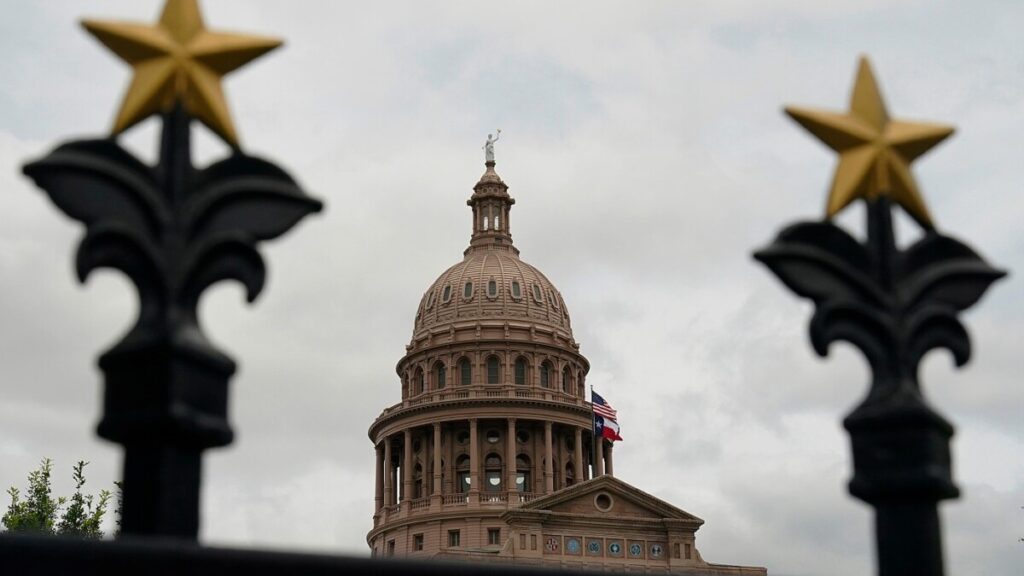
Supreme Court blocks order that found Texas congressional map is likely racially biased
In a significant legal development, the U.S. Supreme Court has issued a temporary stay on a lower court ruling that deemed Texas’ congressional redistricting plan for 2026 likely discriminatory on racial grounds. This decision comes in the wake of a contentious legal battle surrounding the state’s redistricting process, which has been a focal point of debate since it was initiated. The lower court’s ruling had indicated that the proposed map, backed by former President Donald Trump, may violate the Voting Rights Act by diluting the electoral power of minority voters, particularly in areas with substantial Hispanic populations. The Supreme Court’s intervention effectively pauses the enforcement of the lower court’s decision, allowing Texas to proceed with its redistricting plan while the legal arguments continue to unfold.
The controversy surrounding Texas’ redistricting plan is emblematic of broader national conversations about race, representation, and electoral fairness in the United States. Redistricting, the process of redrawing electoral district boundaries, occurs every ten years following the census and is critical in determining political representation. Critics of the Texas plan argue that it systematically undermines the voting power of communities of color, potentially skewing electoral outcomes in favor of the Republican Party. For instance, the lower court’s ruling highlighted specific districts where minority populations could be effectively marginalized, raising concerns about the integrity of the democratic process. Supporters of the redistricting plan, however, assert that the map adheres to legal standards and reflects the state’s demographic shifts.
This Supreme Court decision underscores the ongoing tension between state-level political maneuvers and federal oversight in matters of voting rights. As the nation grapples with issues of racial equity and representation, Texas’ redistricting saga serves as a critical case study. It not only highlights the legal complexities involved in redistricting but also the potential implications for minority voters in future elections. As the Supreme Court prepares to review the broader implications of the lower court’s findings, the outcome could set a precedent for how redistricting is approached in other states, making this case one to watch closely in the coming months.
https://www.youtube.com/watch?v=SXJUrHlQkU4
The U.S. Supreme Court has temporarily blocked a lower court ruling that found Texas’ 2026 congressional redistricting plan pushed by President Trump likely discriminates on the basis of race.
(Image credit: Eric Gay)


