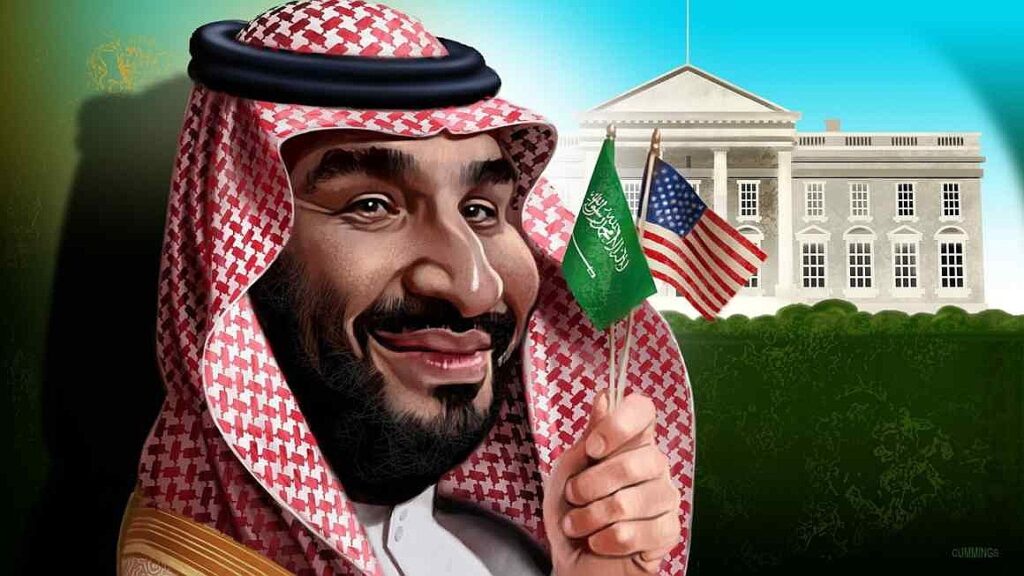
Mohammed bin Salman, the autocratic Saudi moderniser trying to escape his past
In a significant shift in international relations, Crown Prince Mohammed bin Salman (often referred to as MBS) of Saudi Arabia is experiencing a resurgence in diplomatic and economic support from various global governments and investors. This change comes after a period of isolation following the 2018 murder of journalist Jamal Khashoggi, which led to widespread condemnation and a reevaluation of relationships with the Saudi leadership. At that time, many Western nations distanced themselves from MBS, imposing sanctions and calling for accountability. However, recent geopolitical dynamics, particularly the shifting landscape of energy politics and the need for stable partnerships in the Middle East, have prompted a reconsideration of these relationships.
As the world grapples with energy security amidst fluctuating oil prices and the ongoing transition to renewable sources, Saudi Arabia’s role as a leading oil producer has regained prominence. Countries are increasingly recognizing the strategic importance of maintaining strong ties with the Kingdom, especially in light of the ongoing conflicts in Ukraine and the Middle East. For instance, the recent OPEC+ decisions to cut oil production demonstrate Saudi Arabia’s influence on global energy markets, making the Crown Prince an essential player in discussions around energy stability. Additionally, investments in Saudi Arabia’s Vision 2030 initiative, which aims to diversify the economy beyond oil, have attracted significant interest from international investors, eager to capitalize on new opportunities in sectors like technology, tourism, and entertainment.
Moreover, MBS has been actively working to reshape his image on the global stage. High-profile visits from leaders such as French President Emmanuel Macron and discussions with U.S. officials indicate a thawing of relations. The Crown Prince’s efforts to promote a more moderate image of Saudi Arabia, coupled with the country’s strategic initiatives to enhance its economic landscape, are fostering a renewed sense of optimism among foreign investors. This evolving narrative illustrates a broader trend where pragmatic concerns about energy and economic collaboration are superseding previous moral and ethical considerations surrounding human rights and governance in the Kingdom. As Saudi Arabia positions itself as a pivotal player in the global economy, the Crown Prince’s renewed embrace by governments and investors signals a complex but pragmatic realignment in international relations.
After being cold-shouldered in 2018, the crown prince is once again being embraced by governments and investors