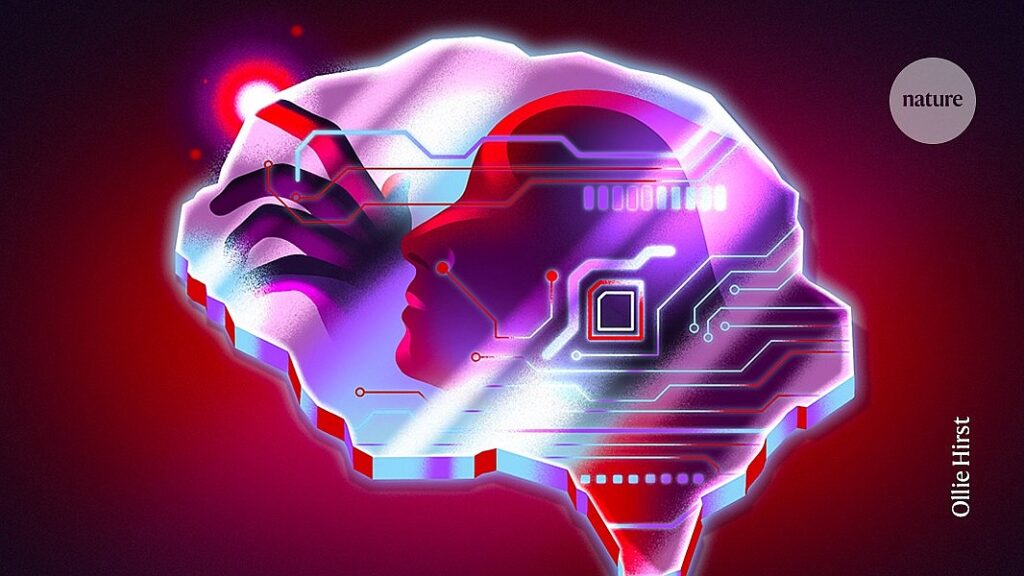
Mind-reading devices can now predict preconscious thoughts: is it time to worry?
In a thought-provoking article published by Nature, ethicists raise critical concerns regarding the intersection of artificial intelligence (AI) and neurotechnology, warning that advancements in these fields could significantly compromise individual privacy and autonomy. As AI systems become increasingly integrated with neurotechnological devices—such as brain-computer interfaces and neuroimaging tools—the potential for misuse and ethical dilemmas escalates. The authors argue that while these technologies hold great promise for enhancing human capabilities and treating neurological disorders, they also pose substantial risks, particularly in terms of data privacy and the potential for manipulation of thoughts and behaviors.
One of the central issues highlighted in the article is the vast amount of sensitive data generated by neurotechnological devices. These devices can capture intricate details about brain activity, emotional states, and cognitive processes, which, when combined with AI algorithms, can lead to unprecedented insights into an individual’s mental state. However, this data is highly personal and vulnerable to exploitation. Ethicists emphasize that without robust privacy protections and ethical guidelines, individuals may find themselves subject to invasive surveillance or coercive practices that undermine their autonomy. For example, workplaces could potentially use neurotechnology to monitor employee productivity or emotional well-being, raising ethical questions about consent and the right to privacy in professional settings.
Moreover, the article discusses the implications of AI-driven neurotechnology on societal norms and individual identity. As these technologies evolve, there is a risk that they could alter how we perceive mental health, intelligence, and even personal agency. The potential for AI to influence thoughts or decision-making processes could blur the lines between human autonomy and algorithmic control, leading to a future where individuals may struggle to distinguish their own thoughts from those influenced by external technologies. Ethicists advocate for a proactive approach, urging policymakers and technologists to engage in meaningful dialogue about the ethical frameworks necessary to safeguard individual rights. By prioritizing ethical considerations in the development and deployment of AI-powered neurotechnologies, society can harness their benefits while mitigating the risks to privacy and autonomy.
Nature, Published online: 19 November 2025;
doi:10.1038/d41586-025-03714-0
Ethicists say AI-powered advances will threaten the privacy and autonomy of people who use neurotechnology.


