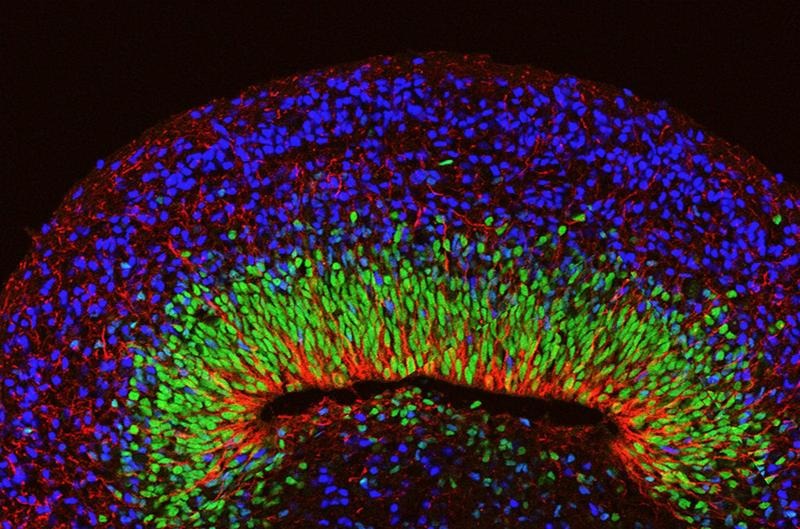
Lab-grown models of human brains are advancing rapidly. Can ethics keep pace?
In recent years, the emergence of neural organoids—miniature, simplified versions of human brains grown in vitro—has sparked a wave of excitement and ethical debate within the scientific community. These organoids, developed from stem cells, mimic certain aspects of human brain structure and function, providing researchers with a powerful tool to study neurological disorders, brain development, and the effects of drugs. However, the burgeoning field is now grappling with profound ethical questions, particularly regarding the potential for these organoids to experience pain or consciousness, and the implications of using them in animal testing.
One of the most pressing concerns is whether neural organoids possess any form of sentience. Recent studies suggest that as these organoids develop, they exhibit increased complexity and connectivity akin to that of a developing brain. This raises the unsettling question: do they have the capacity to feel pain? Researchers are divided on this issue. Some argue that without a fully developed nervous system and the necessary biological structures, organoids are unlikely to experience pain in a way that is comparable to sentient beings. Others caution that even the potential for such experiences warrants careful ethical consideration, especially as the technology advances and organoids become more complex. This debate is reminiscent of earlier discussions surrounding the use of animal models in research, where the moral implications of inflicting pain or distress have long been scrutinized.
Additionally, the use of neural organoids in conjunction with animal testing presents another layer of ethical complexity. While organoids could potentially reduce the need for animal models by providing a more human-relevant system for studying brain diseases, there are concerns about how these organoids might be integrated into existing research frameworks. For instance, if organoids are shown to exhibit responses similar to those of living brains, researchers may face increased pressure to ensure humane treatment and oversight. As the field continues to evolve, it is crucial for scientists, ethicists, and policymakers to engage in ongoing dialogue to establish guidelines that balance the pursuit of scientific knowledge with respect for potential sentience and the ethical treatment of all forms of life. The questions surrounding neural organoids are not just scientific; they challenge us to reconsider our understanding of consciousness, suffering, and the moral responsibilities we hold towards living systems.
Whether neural organoids feel pain or should be placed in animals are among the questions swirling around biology’s hot new technology


