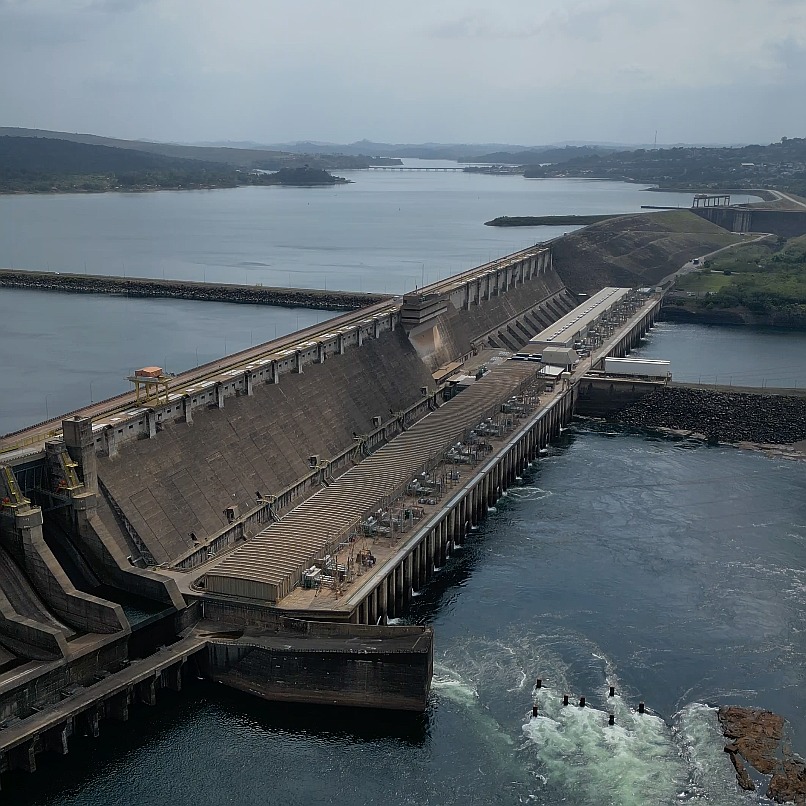
Hydropower Is Getting Less Reliable as the World Needs More Energy
As global energy demands continue to surge, hydroelectric power plants, which have long been a cornerstone of clean energy generation, are facing significant challenges. While hydro power has historically provided a reliable source of renewable energy, the increasing frequency of extreme weather events—such as droughts and floods—exacerbated by climate change, is threatening the viability of these facilities. In many regions, prolonged droughts have led to reduced water levels in rivers and reservoirs, directly impacting the ability of hydro plants to generate electricity. For instance, the West Coast of the United States has experienced severe drought conditions that have drastically lowered water flow in key rivers, leading to a notable decline in hydroelectric output.
Moreover, the unpredictability of weather patterns is complicating the operational strategies of hydro plants. Flooding, while initially seeming beneficial for water supply, can lead to infrastructure damage and operational disruptions, further complicating energy production. In countries like Brazil, where hydroelectric power accounts for a significant portion of the energy mix, the dual threats of drought and flooding have prompted concerns about energy security and reliability. As the climate crisis intensifies, utility companies and governments are being forced to rethink their energy strategies, seeking to diversify their sources and invest in complementary technologies, such as battery storage and solar power, to mitigate the risks associated with a reliance on hydroelectricity alone.
The situation underscores a broader trend in the energy sector: the urgent need for adaptation and resilience in the face of climate change. As hydro plants grapple with these challenges, there is a growing recognition of the importance of integrating various renewable energy sources to create a more stable and sustainable energy grid. Policymakers are now advocating for investments in infrastructure that can withstand extreme weather events, as well as the development of new technologies that can optimize water usage in hydroelectric generation. Ultimately, while hydroelectric power remains a vital component of the clean energy landscape, its future will depend on our ability to adapt to the realities of a changing climate and the innovative strategies we implement to ensure its longevity.
Demand for power is growing fast, but hydro plants, the oldest source of clean energy, are struggling because of droughts, floods and other extreme weather linked to climate change.


