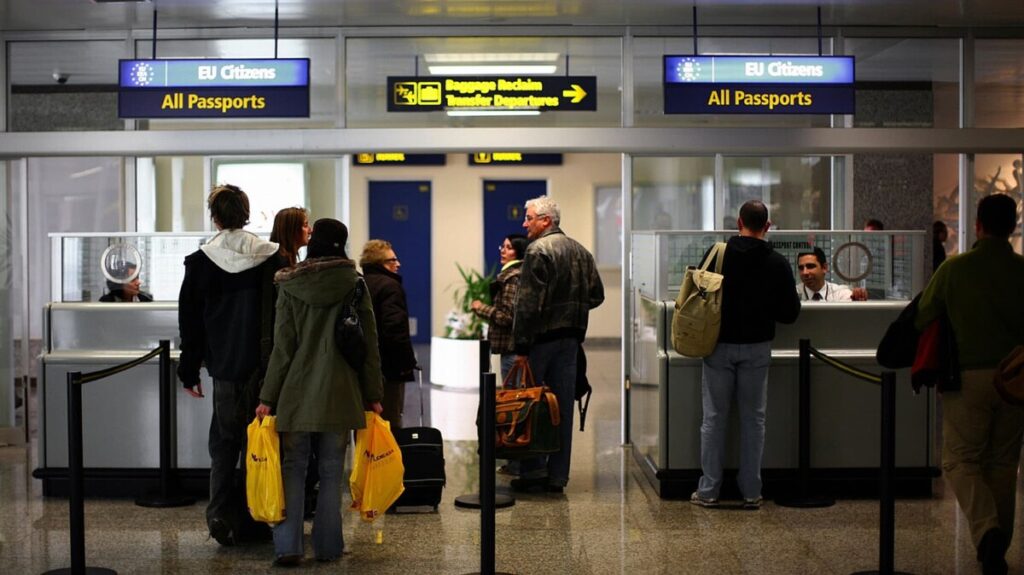
‘Hassle’ and ‘humiliation’: What it’s like traveling with a weak passport
Traveling the world is a dream for many, but for those holding passports from countries with lower global mobility rankings, this dream often turns into a logistical nightmare. A weaker passport can translate to a myriad of challenges, including exorbitant visa fees, lengthy processing times, and a mountain of documentation that can make even the most seasoned traveler feel overwhelmed. For instance, citizens from countries like Afghanistan or Syria may face not only financial barriers but also extensive background checks that can lead to humiliating scrutiny at embassies or border crossings. This can deter individuals from pursuing opportunities abroad, whether for education, work, or leisure, thus perpetuating a cycle of isolation and limited exposure to global cultures.
The impact of a weaker passport extends beyond mere inconvenience; it can significantly hinder economic opportunities and personal growth. For example, a report from the Henley Passport Index reveals that holders of the world’s most powerful passports, like those from Japan or Singapore, can travel to over 190 countries without a visa or with visa-on-arrival options. In contrast, individuals from countries with less favorable passports may find themselves requiring visas for over 150 destinations, often incurring high costs and enduring lengthy waits for approval. This disparity not only affects personal travel plans but also limits the ability to engage in international business, attend conferences, or participate in educational exchanges, ultimately stifling economic development in these regions.
Moreover, the emotional toll of navigating complex visa processes can be significant. The fear of rejection, the stress of gathering extensive documentation, and the uncertainty of travel plans can lead to frustration and anxiety. Many travelers report feeling a sense of humiliation when faced with invasive questioning or when their applications are denied without clear explanations. This experience can discourage individuals from pursuing international travel altogether, further entrenching the divide between those with strong passports and those without. As global interconnectedness increases, addressing the inequities associated with passport power is crucial for fostering a more inclusive and equitable world where everyone has the opportunity to explore and engage with different cultures freely.
Holding a weaker passport means costly fees, long waits, endless documents, and humiliating scrutiny — making travel a hassle.