Eli Lilly, Drug Maker of Zepbound and Mounjaro, Reaches $1 Trillion in Value
Eli Lilly, a pharmaceutical giant headquartered in Indianapolis, has seen a remarkable surge in its stock value, primarily driven by its dominance in the GLP-1 weight loss drug market. The company’s flagship product, Mounjaro, has garnered significant attention and acclaim for its effectiveness in promoting weight loss and managing type 2 diabetes. The GLP-1 (glucagon-like peptide-1) receptor agonists, including Mounjaro and other competitors like Ozempic and Wegovy, have revolutionized the approach to obesity treatment, offering patients a new hope for sustainable weight management. As obesity rates continue to rise globally, the demand for effective weight loss solutions has never been higher, positioning Eli Lilly at the forefront of a lucrative market.
The financial impact of this success is evident in Eli Lilly’s stock performance, which has soared over recent months. Analysts attribute this surge to the company’s strategic investments in research and development, alongside aggressive marketing efforts that have successfully raised awareness about the benefits of GLP-1 medications. For instance, Mounjaro has not only been praised for its weight loss results but has also shown promising outcomes in controlling blood sugar levels, appealing to a broader audience. This dual benefit has allowed Eli Lilly to capture a significant share of the market, as healthcare providers increasingly prescribe these medications to patients seeking both weight management and diabetes control.
Moreover, Eli Lilly’s commitment to innovation is reflected in its ongoing research to expand the applications of GLP-1 drugs beyond weight loss and diabetes, potentially addressing other health conditions such as cardiovascular diseases. This forward-thinking approach not only enhances the company’s portfolio but also solidifies its position as a leader in the pharmaceutical industry. As the market for obesity treatments continues to expand, Eli Lilly’s success serves as a case study in how effective drug development and strategic marketing can lead to substantial financial growth and improved patient outcomes. With the increasing recognition of obesity as a significant public health issue, Eli Lilly’s advancements in the GLP-1 market are likely to have lasting implications for both the company and the healthcare landscape at large.
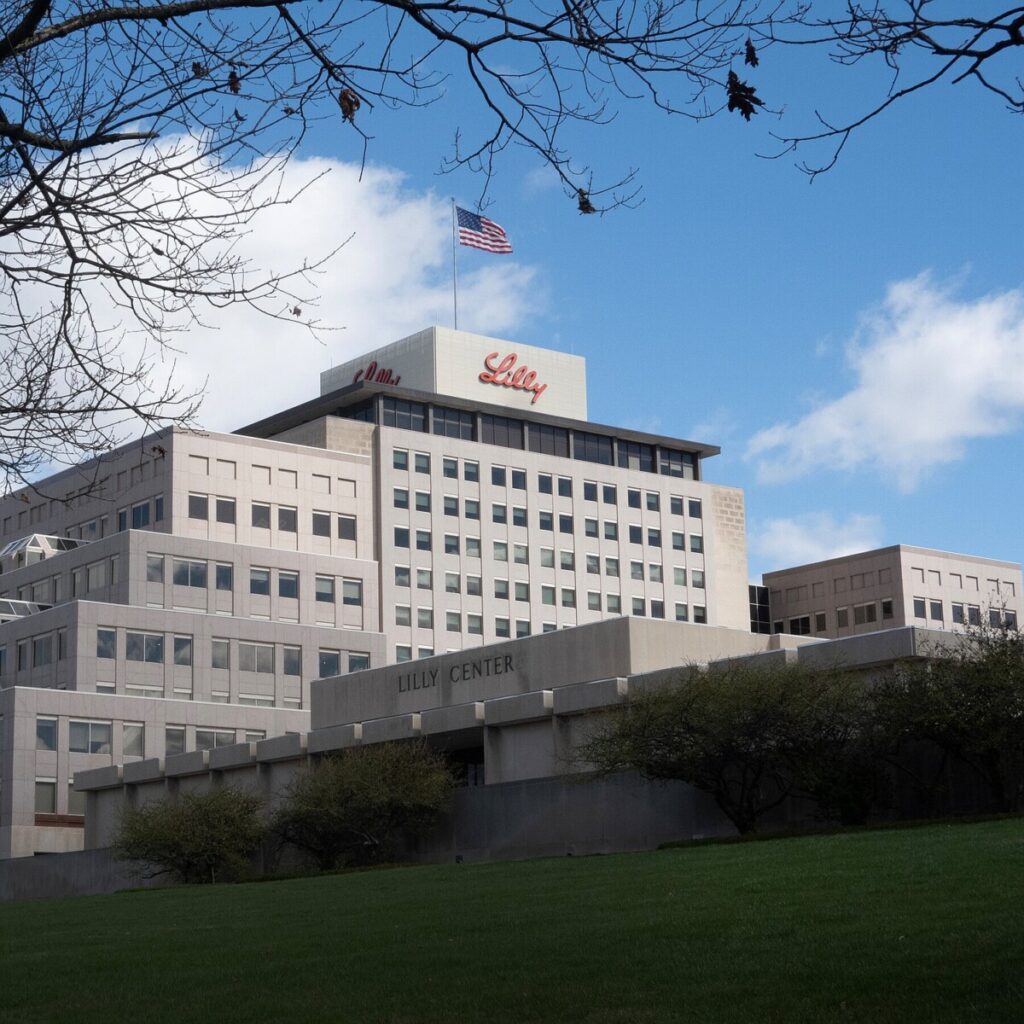
Eli Lilly, based in Indianapolis, has surged in large part because of the company’s success in commanding the GLP-1 weight loss drug market.


