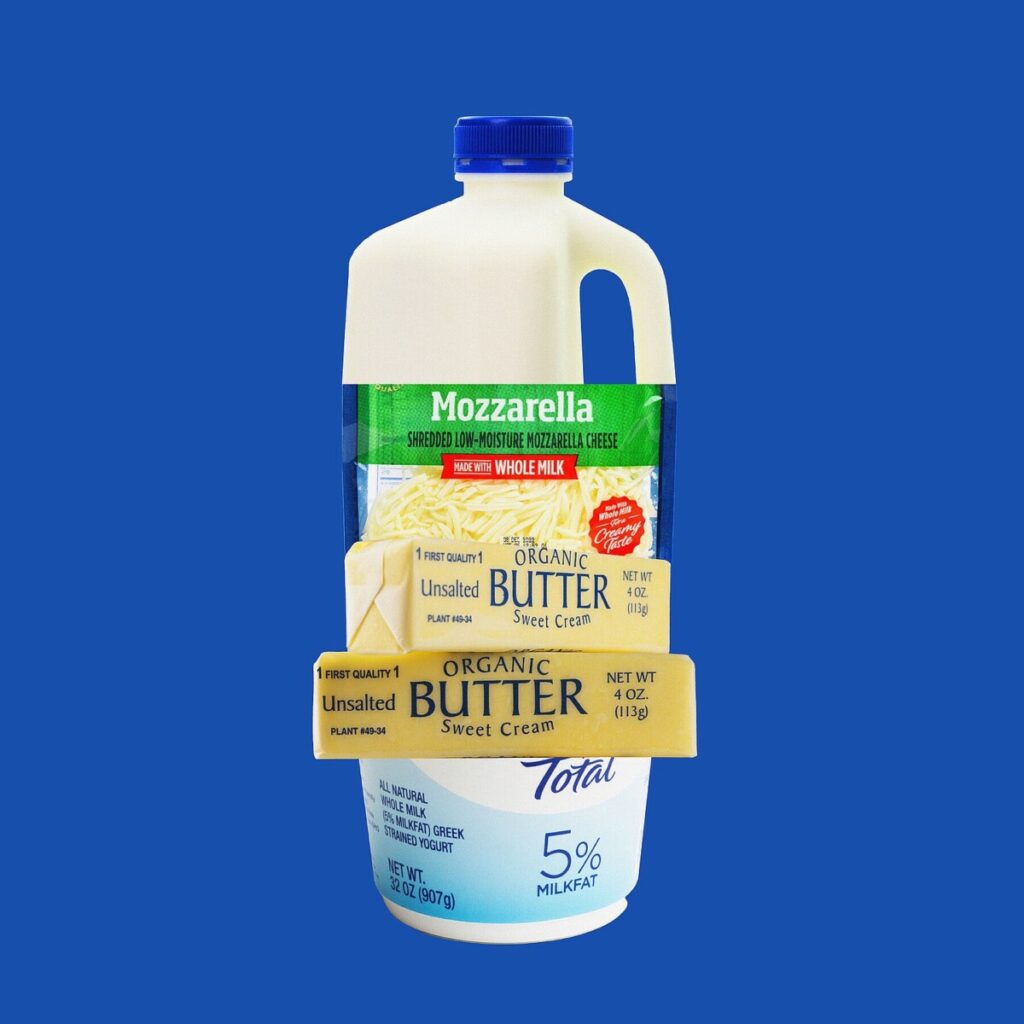
Is Full-Fat Dairy Healthier?
For decades, health authorities in the United States have championed low-fat dairy products as a healthier option, promoting them as part of a balanced diet aimed at reducing the risk of obesity, heart disease, and other health issues. This recommendation has been deeply ingrained in American dietary guidelines, leading consumers to opt for skim milk, low-fat yogurt, and reduced-fat cheese in their grocery shopping. However, this long-standing advice is now facing scrutiny, particularly from political figure and environmental activist Robert F. Kennedy Jr., who has raised questions about the validity of these guidelines and the potential health implications of consuming low-fat dairy.
Kennedy argues that the push for low-fat dairy has been misguided, suggesting that full-fat dairy products may actually offer more health benefits than previously acknowledged. He points to emerging research that indicates whole milk and full-fat dairy could be linked to lower rates of obesity and heart disease, contradicting the conventional wisdom that has prioritized low-fat options. For instance, studies have shown that the fat in dairy can promote satiety, potentially leading to lower overall calorie intake. Additionally, Kennedy emphasizes that full-fat dairy is rich in essential nutrients, such as vitamins A and D, and beneficial fatty acids that can support overall health. This shift in perspective challenges not only the historical dietary guidelines but also the broader narrative surrounding fat consumption in the American diet.
Kennedy’s claims have sparked a renewed debate about dietary fats and their role in nutrition. While some nutritionists and health experts support his stance, citing the importance of reevaluating outdated dietary recommendations, others caution against a blanket endorsement of full-fat dairy, urging consumers to consider individual health needs and dietary preferences. As discussions around nutrition continue to evolve, Kennedy’s challenge to the low-fat dairy narrative highlights the complexities of dietary choices in a society where health information is constantly changing. This ongoing dialogue invites consumers to rethink their food choices and consider the implications of long-held dietary beliefs, ultimately fostering a more nuanced understanding of what constitutes a healthy diet.
Americans have been told to prioritize low-fat dairy for decades, but Robert F. Kennedy Jr. has called that recommendation into question.


