Home Prices on a Warming Planet
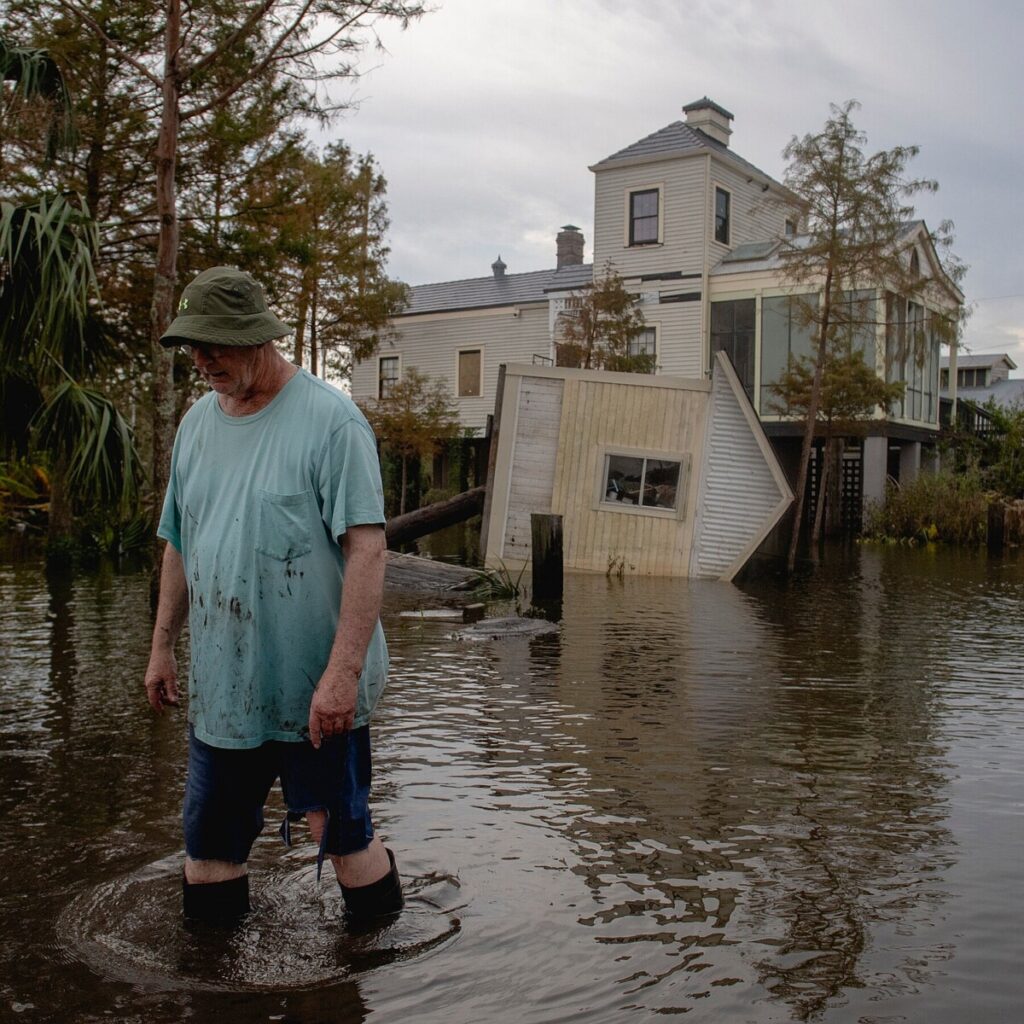
In the wake of Hurricane Ida in 2021, Lafitte, Louisiana, experienced devastating flooding that highlighted the increasing vulnerability of certain regions to climate-related disasters. As extreme weather events become more frequent and severe due to climate change, areas like Lafitte are grappling with the financial implications of these disasters. One significant consequence is the sharp rise in insurance premiums for homeowners in high-risk zones. Insurers are reassessing their risk models, leading to substantial increases in premiums for properties that are more susceptible to hurricanes, wildfires, and hailstorms. This trend not only puts financial strain on homeowners but also raises concerns about the long-term sustainability of living in these vulnerable areas.
For instance, a recent report indicated that homeowners in Louisiana have seen their insurance rates soar by as much as 25% since Hurricane Ida, with some facing even steeper hikes. These increases are driven by the growing frequency of catastrophic weather events, prompting insurers to adjust their rates to reflect the heightened risk. This situation is not unique to Louisiana; regions across the United States that are prone to natural disasters are experiencing similar trends. The National Oceanic and Atmospheric Administration (NOAA) has documented a significant uptick in weather-related disasters, reinforcing the notion that climate change is reshaping the landscape of property insurance. As a result, many homeowners are left with difficult choices: pay exorbitant premiums, seek coverage in less vulnerable areas, or risk being uninsured.
The implications of these rising insurance costs extend beyond individual homeowners; they also pose challenges for local economies and communities. As insurance becomes less affordable, some residents may be forced to abandon their homes, leading to decreased property values and a potential decline in community cohesion. Moreover, this cycle of increasing costs and declining affordability may ultimately hinder recovery efforts following disasters, as fewer people can afford to rebuild or maintain their properties. Policymakers and insurers are urged to develop innovative solutions that address these challenges, such as creating more equitable insurance models or investing in infrastructure improvements to mitigate the effects of climate change. The situation in Lafitte serves as a stark reminder of the urgent need for proactive measures to adapt to a changing climate and protect vulnerable communities from the financial fallout of natural disasters.
Flooding in Lafitte, La., after Hurricane Ida in 2021. Places that are most vulnerable to climate-related disasters like hurricanes, fires and hail are seeing some of the largest premium increases.


