Engineering chromosome number in plants | Science
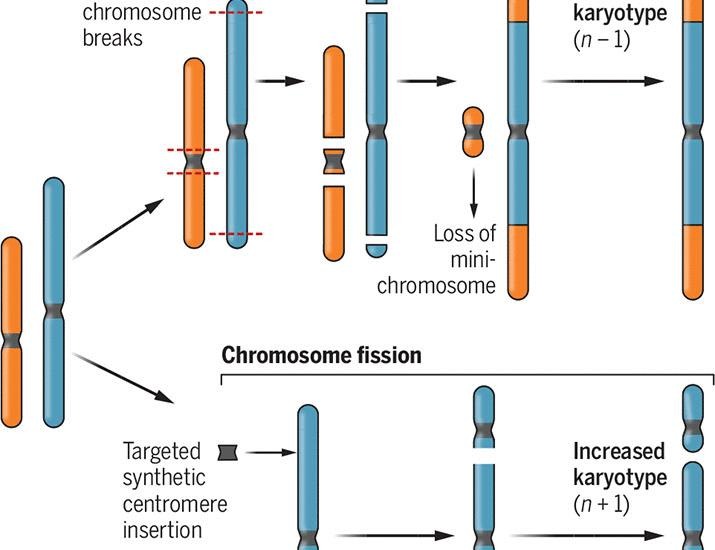
In a groundbreaking study, researchers have successfully engineered a reduced eight-chromosome karyotype in the model plant species Arabidopsis thaliana, a significant advancement in the field of plant genetics and chromosome biology. This innovative approach, which utilized chromosome engineering techniques, has the potential to revolutionize our understanding of plant evolution and the mechanisms underlying chromosomal behavior during cell division. Arabidopsis thaliana, often referred to as the “laboratory mouse” of the plant world, serves as a crucial model organism for genetic studies due to its relatively simple genome and short life cycle.
The research team employed a combination of targeted chromosome deletions and genetic manipulation to achieve this unprecedented reduction in chromosome number. By systematically removing specific chromosomes, the scientists were able to create a stable eight-chromosome variant of Arabidopsis, which typically has 10 chromosomes. This reduced karyotype not only provides insights into the structural and functional aspects of chromosomes but also opens new avenues for studying the genetic basis of traits such as growth, development, and stress response in plants. For example, the researchers observed that the eight-chromosome plants exhibited altered phenotypic traits, including variations in leaf size and flowering time, which could have implications for crop improvement and adaptation to changing environments.
The implications of this research extend beyond basic science; it may pave the way for advancements in agricultural biotechnology. By understanding how chromosome number and structure influence plant characteristics, scientists can develop new strategies for breeding crops with desirable traits, such as increased yield or resilience to environmental stresses. Furthermore, this study highlights the potential for chromosome engineering as a tool for synthetic biology, where researchers can design and construct new genetic systems to enhance plant performance. As the global population continues to grow and the challenges of climate change intensify, such innovative approaches could be crucial for ensuring food security and sustainable agricultural practices in the future.
Chromosome engineering produces a reduced eight-chromosome karyotype in Arabidopsis thaliana


