‘Climate-Friendly’ Beef Now Has to Prove It
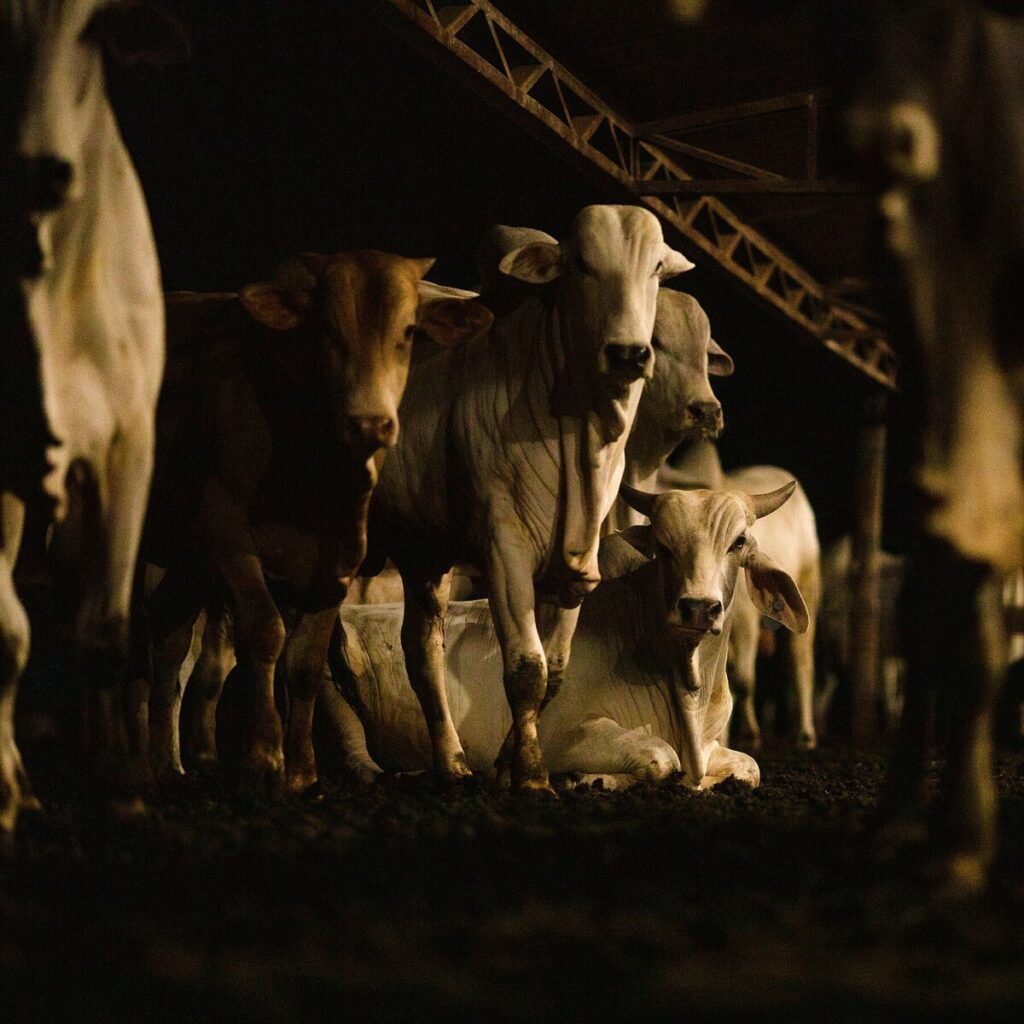
In a significant development for the global beef industry, JBS, the world’s largest meat processing company, faces increasing scrutiny over its environmental and ethical practices, particularly concerning cattle farming in Brazil. Headquartered in São Paulo, JBS operates numerous feedlots across the country, where cattle are raised for beef production. While the company has positioned itself as a leader in sustainable practices, reports indicate that its supply chain is linked to deforestation in the Amazon rainforest and other critical ecosystems. This has sparked a growing backlash from environmental groups, consumers, and even investors who are urging the company to take more substantial action against deforestation and to enhance transparency in its sourcing practices.
The context surrounding JBS’s operations is complex, as Brazil is one of the largest beef producers globally, with a booming market that often prioritizes economic gain over environmental protection. For instance, a recent study highlighted that cattle ranching is one of the primary drivers of deforestation in the Amazon, contributing to significant biodiversity loss and greenhouse gas emissions. JBS has announced initiatives aimed at combating these issues, such as committing to zero deforestation in its supply chain by 2030 and investing in sustainable cattle ranching practices. However, critics argue that the company’s current measures are insufficient and call for more rigorous enforcement of environmental standards and better monitoring of suppliers to ensure compliance.
Moreover, the pressure on JBS is not just coming from activists; major retailers and food companies are increasingly demanding that their suppliers adhere to stricter environmental guidelines. As consumers become more environmentally conscious, the demand for sustainably sourced meat is rising, prompting JBS to rethink its practices. The company has begun to explore alternative protein sources and invest in technology that could reduce its environmental footprint. Nevertheless, the road ahead is fraught with challenges, as the balance between meeting global beef demand and protecting vital ecosystems remains a contentious issue. As JBS navigates this challenging landscape, its actions will likely set a precedent for the broader meat industry, highlighting the urgent need for sustainable practices in food production.
Cattle on a feedlot in Brazil, where JBS, the beef giant, is headquartered.


