Study Analyzes How Much ‘Macro’ Plastic Is Deadly to Sea Life
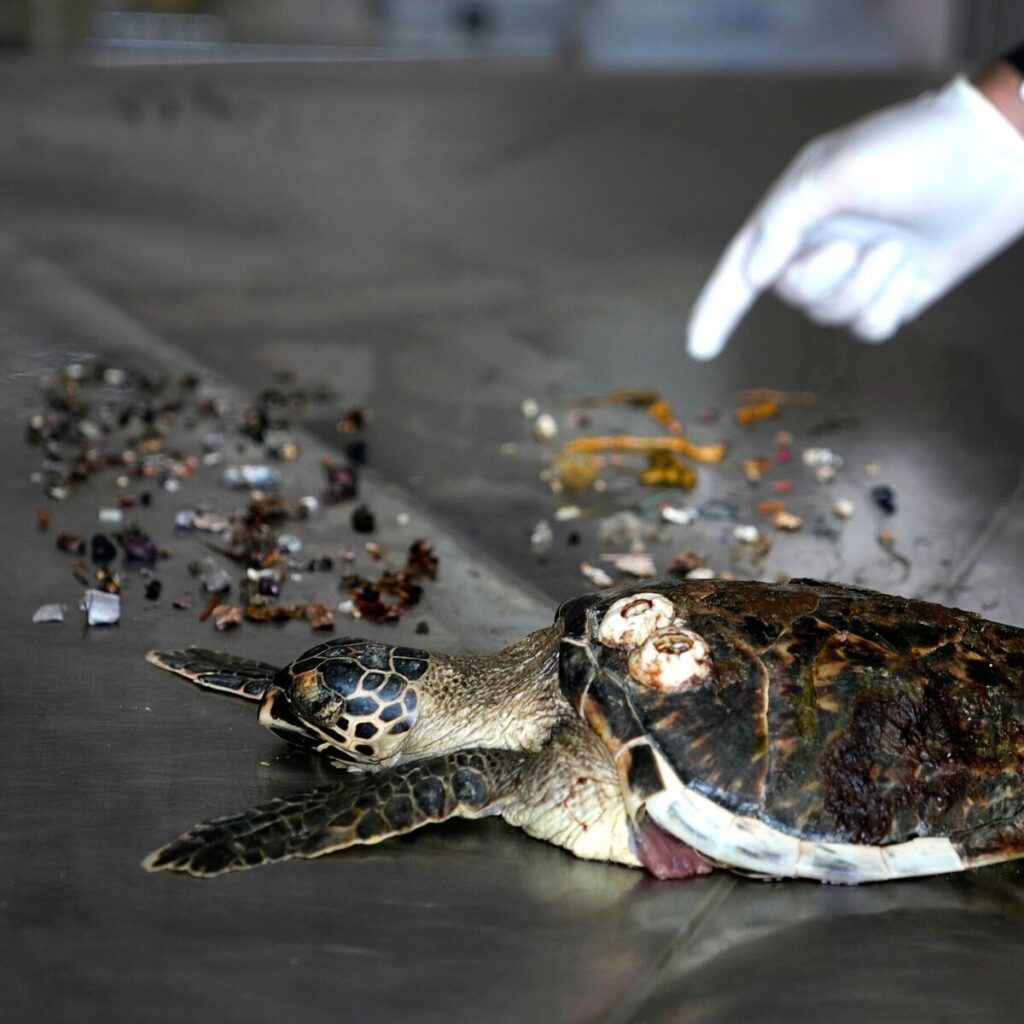
In a poignant reminder of the environmental challenges facing marine life, an autopsied Hawksbill sea turtle in the United Arab Emirates has revealed a troubling truth about ocean pollution. The examination of this endangered species not only highlights the plight of marine creatures but also underscores the urgent need for action against plastic waste in our oceans. The autopsy, conducted by marine biologists, uncovered a significant amount of plastic debris in the turtle’s stomach, a grim testament to the broader issue of marine pollution affecting countless aquatic species.
Hawksbill turtles, known for their striking shells and critical role in marine ecosystems, are increasingly threatened by human activities, particularly plastic pollution. The items found in the turtle’s stomach included various plastic materials, from bags to fragments of containers, illustrating the alarming extent of plastic contamination in ocean waters. This incident is not isolated; it reflects a global crisis where millions of tons of plastic enter the ocean each year, posing severe risks to marine life through ingestion and entanglement. The UAE, like many coastal regions worldwide, is grappling with the consequences of plastic waste, prompting calls for stricter regulations and community engagement to combat this pressing environmental issue.
This autopsy serves as a crucial reminder of the interconnectedness of human activity and marine health. The findings have sparked conversations among conservationists, policymakers, and the public about the need for immediate action to protect endangered species like the Hawksbill turtle. Initiatives such as beach cleanups, awareness campaigns, and legislative measures aimed at reducing plastic use are essential steps towards mitigating this crisis. As we reflect on the fate of this turtle, it becomes increasingly clear that protecting our oceans requires a collective effort to reduce plastic consumption and promote sustainable practices. The survival of not only the Hawksbill turtle but also countless other marine species depends on our commitment to preserving the delicate balance of ocean ecosystems.
An autopsied Hawksbill sea turtle in a lab in the United Arab Emirates. Lying beside the turtle are items removed from its stomach, including a large amount of plastic.


