Iran Withdraws From Deal for International Nuclear Inspections
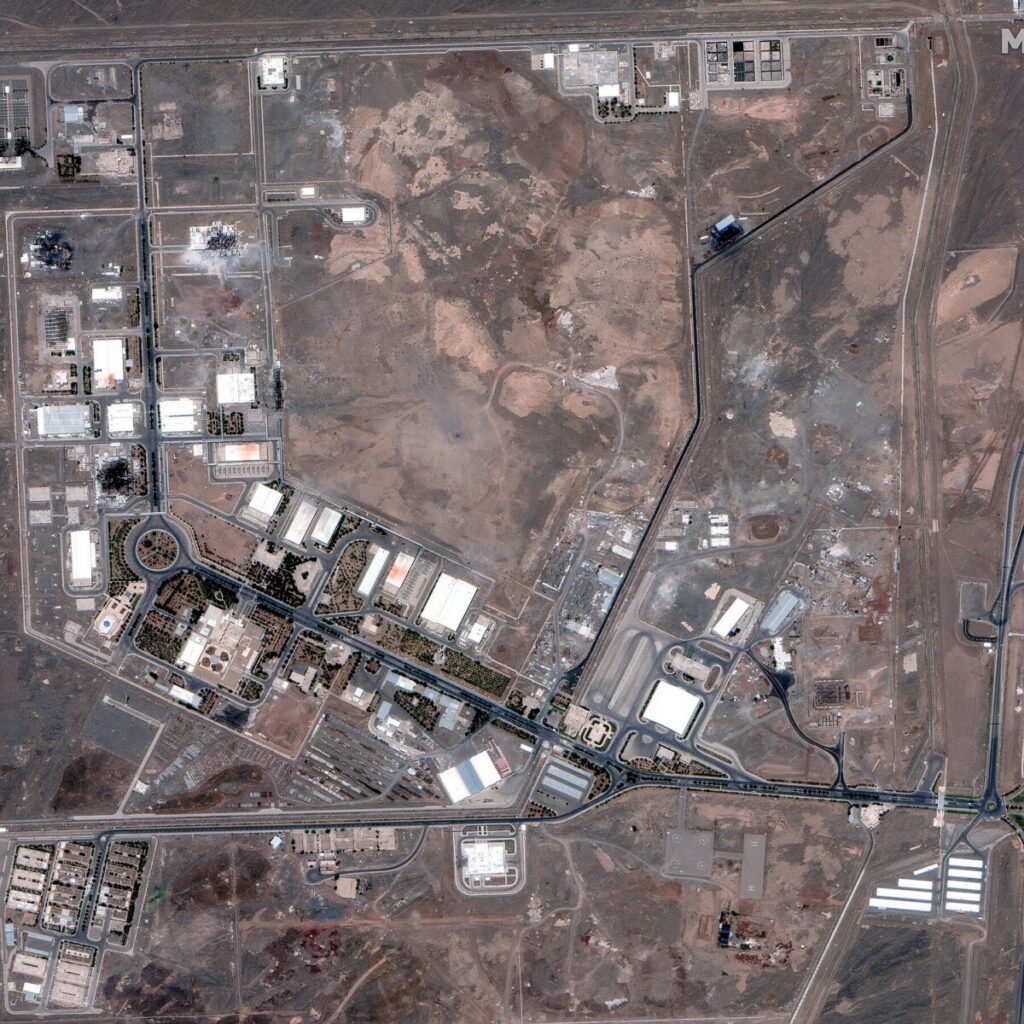
In June, the Natanz Enrichment Facility in Iran became the focal point of international tensions following American airstrikes that targeted the site, which is pivotal to Iran’s nuclear enrichment program. This facility has long been at the center of scrutiny due to its potential role in producing nuclear weapons-grade material. The airstrikes were part of a broader strategy by the United States to curb Iran’s nuclear ambitions, particularly amid concerns that the country was edging closer to developing a nuclear arsenal. The strikes prompted a swift response from Tehran, which condemned the attacks and vowed to continue its nuclear activities, further complicating an already fraught geopolitical landscape.
Compounding the situation is the inability of the International Atomic Energy Agency (IAEA), the U.N. nuclear watchdog, to conduct inspections of Iran’s nuclear facilities. The lack of access has raised alarms among member states, particularly those in the West, who fear that Iran may be advancing its nuclear capabilities unchecked. Iran’s refusal to allow inspections has led to suspicions regarding its compliance with the Joint Comprehensive Plan of Action (JCPOA), the 2015 nuclear deal that aimed to limit its nuclear program in exchange for sanctions relief. The IAEA’s inability to verify Iran’s nuclear activities not only undermines the trust necessary for diplomatic negotiations but also raises the stakes for potential military confrontations in the region. As the situation evolves, the international community remains on high alert, grappling with the implications of Iran’s nuclear ambitions and the fragile balance of power in the Middle East.
The Natanz Enrichment Facility in Iran after American airstrikes struck it in June. A U.N. nuclear watchdog agency has been unable to inspect the country’s nuclear facilities.