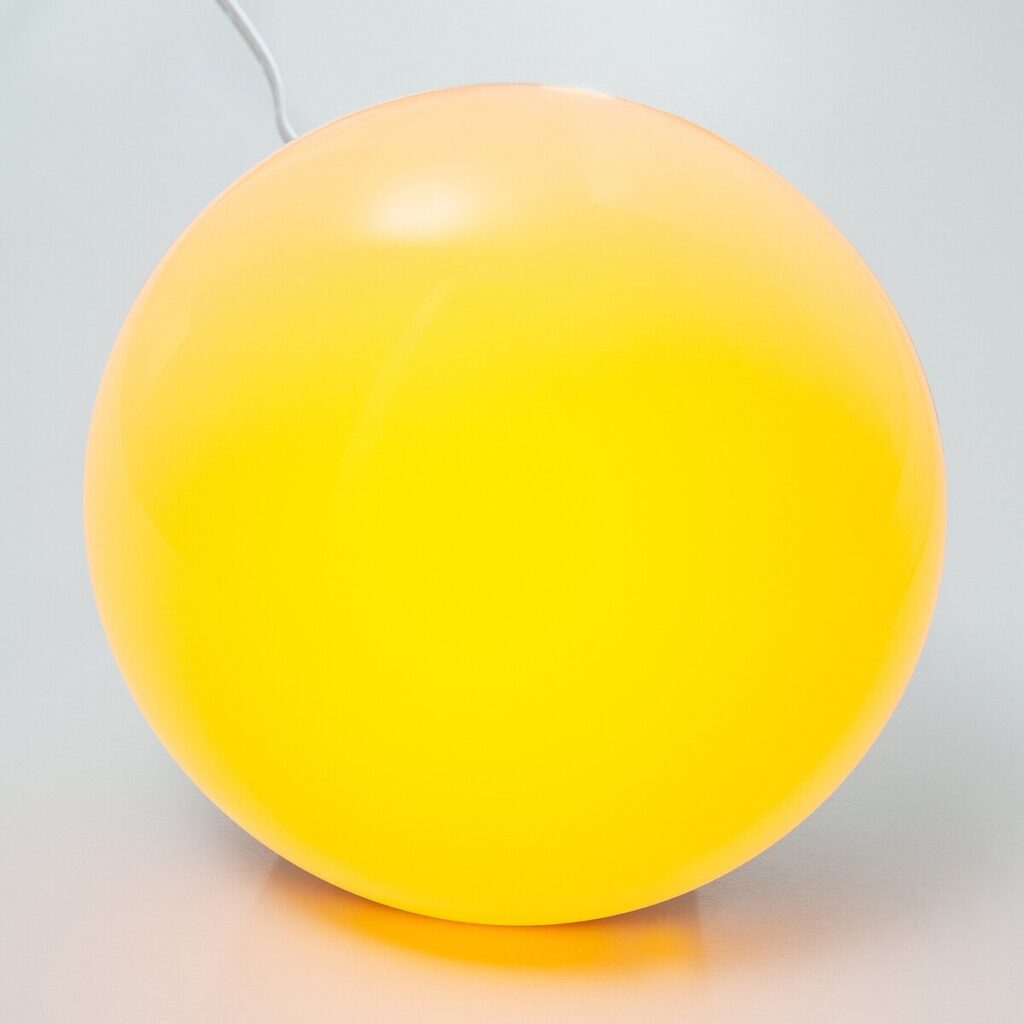
Can SAD Lamps Help With Seasonal Depression?
Bright light therapy boxes, designed to simulate natural sunlight, have gained popularity as a remedy for Seasonal Affective Disorder (SAD) and other mood-related issues. These devices emit bright light, typically around 10,000 lux, which can help regulate the body’s circadian rhythms and improve mood during the darker winter months. Experts in psychology and psychiatry have weighed in on the effectiveness of these light boxes, highlighting their potential benefits and limitations.
Research indicates that exposure to bright light can significantly alleviate symptoms of SAD, with studies showing improvements in mood, energy levels, and overall well-being. For instance, a study published in the journal *Psychological Medicine* found that participants using light therapy experienced a notable reduction in depressive symptoms compared to those who did not. However, experts caution that while light therapy can be an effective treatment, it is not a one-size-fits-all solution. Individual responses can vary, and some may experience side effects such as eye strain or headaches. Furthermore, while light therapy is beneficial for many, it should ideally be used in conjunction with other treatments, such as psychotherapy or medication, particularly for those with more severe depressive disorders.
The timing and duration of exposure to bright light are crucial factors in maximizing its effectiveness. Experts recommend using light boxes in the morning for about 20 to 30 minutes to best mimic the natural light exposure that our bodies crave. It’s important to choose a light box with the right specifications—those that filter out UV rays and have a brightness of 10,000 lux are generally considered the most effective. As winter approaches and daylight hours dwindle, the use of bright light therapy can provide a much-needed boost for those struggling with seasonal mood changes, making it a valuable tool in the management of SAD and other mood-related conditions.
Bright light boxes mimic natural light. We asked experts if they worked.


